
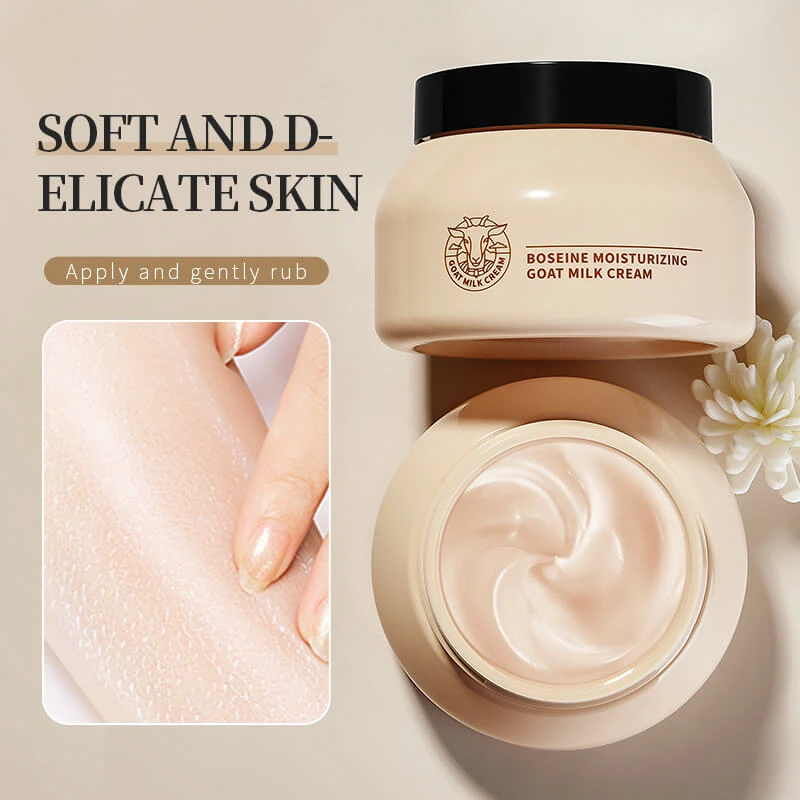
The global beauty market is expanding rapidly, and for brand owners, sourcing the right production partner is the ultimate key to scaling successfully. When it comes to beauty manufacturing, Guangzhou stands undisputed as the cosmetic capital of China. Boasting thousands of factories, highly developed supply chains, and cutting-edge R&D laboratories, the city produces everything from luxury skincare and vibrant color cosmetics to specialized hair dyes and organic shampoos.
However, navigating this massive ecosystem can be overwhelming for B2B buyers. The difference between a thriving beauty brand and a failed product launch often comes down to the reliability of your supplier. In 2026, finding a reliable cosmetics manufacturer in Guangzhou requires more than just browsing a B2B directory. It demands a strategic approach focused on stringent compliance, rigorous testing, and verified capabilities.
Whether you are an established e-commerce brand scaling your private label or a startup launching a revolutionary new hair care line, this comprehensive 5-step guide will walk you through exactly how to identify, vet, and partner with the best cosmetic factories in Guangzhou.
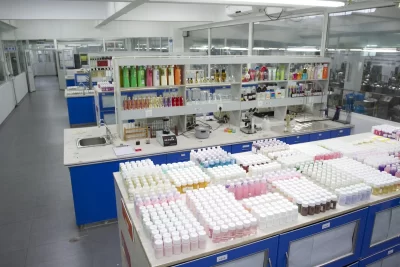
Step 1: Deep-Dive Research and Shortlisting (Beyond the Basics)
The first step in finding a reliable cosmetics manufacturer in Guangzhou is creating a highly qualified shortlist. In 2026, top-tier factories are not just manufacturers; they are strategic partners equipped with advanced OEM (Original Equipment Manufacturer) and ODM (Original Design Manufacturer) capabilities.
Look for Specialization, Not Just Generalization
Many factories claim they can produce “everything.” However, the most reliable manufacturers usually have specific areas of expertise. If your brand focuses on complex formulations—such as professional salon-grade hair dyes, sulfate-free shampoos, or active-rich anti-aging serums—you need a factory that specializes in those exact categories. Search for suppliers whose core competency aligns with your product roadmap.
Verify Digital Footprints and Business Credentials
A truly professional B2B cosmetics manufacturer in Guangzhou will have a robust digital presence. Look for comprehensive, well-structured independent websites that detail their manufacturing processes, machinery, and past case studies. When shortlisting, always request their foundational documents:
-
Business License : Ensure the company is registered as a manufacturer, not just a trading company.
-
Export License: Crucial for ensuring they have the legal right to ship products directly to your target country.
Step 2: The Critical Importance of Compliance Checks
In 2026, global cosmetic regulations are stricter than ever. A beautifully packaged product is useless if it gets seized at customs or banned from online marketplaces like Amazon or Shopify due to compliance failures. Partnering with a compliant manufacturer protects your brand’s reputation and legal standing.
International Quality Certifications
A reliable cosmetics manufacturer in Guangzhou must operate under globally recognized quality management systems. Do not proceed with any factory that cannot provide valid, up-to-date certificates for:
-
ISO 22716 (Cosmetics – Good Manufacturing Practices): The international gold standard for cosmetic production.
-
GMPC (Good Manufacturing Practice of Cosmetics): Essential for exporting to the US and European markets.
-
ISO 9001: Demonstrates a reliable overall quality management system.
Formula and Ingredient Compliance
Your target market dictates your compliance needs. If you are selling in Europe, your products must comply with the CPNP (Cosmetic Products Notification Portal). In the US, they must meet FDA regulations and the newly implemented MoCRA (Modernization of Cosmetics Regulation Act) standards.
Ask the manufacturer directly: Can your R&D team provide full INCI (International Nomenclature of Cosmetic Ingredients) lists, MSDS (Material Safety Data Sheets), and COA (Certificates of Analysis)? Furthermore, if your brand ethos demands cruelty-free, vegan, or clean beauty standards, ensure the factory has a transparent supply chain for sourcing certified raw materials.
Step 3: Requesting and Rigorously Testing Samples
Never sign a bulk production contract based on a digital catalog. The sampling phase is where a factory proves its actual technical capabilities. This step is about bridging the gap between a marketing promise and physical reality.
Benchmark Formulation Testing
When requesting a sample, it is highly recommended to provide the factory with a “benchmark product”—a popular product already on the market that possesses the texture, scent, or efficacy you are aiming for. A strong R&D team in Guangzhou will be able to reverse-engineer or improve upon this benchmark to create a unique formula for your brand.
Comprehensive Quality Evaluation
Once you receive the samples (whether it is a batch of liquid foundation or a new line of nourishing shampoo), subject them to rigorous real-world testing:
-
Sensory Testing: Evaluate the smell, texture, absorption rate, and finish. Does it feel luxurious? Does the fragrance degrade over a few hours?
-
Performance Testing: If it is a hair dye, does the color hold true after multiple washes? If it is a cleanser, does it strip the skin’s natural moisture barrier?
-
Stability and Packaging Compatibility: Keep the sample in different environments (heat, cold, direct sunlight) for several weeks. A reliable formula will not separate, change color, or react negatively with the plastic or glass packaging.
Step 4: Conduct an In-Person or Third-Party Factory Audit
While Zoom calls and video tours are helpful, nothing replaces the insights gained from a physical factory audit. If you are serious about finding a long-term reliable cosmetics manufacturer in Guangzhou, an on-site visit—or hiring a reputable third-party inspection agency (like SGS or TÜV Rheinland)—is mandatory.
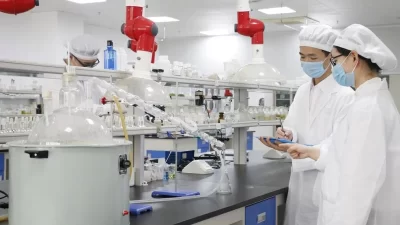
Evaluating the R&D Laboratory
The heart of any top-tier cosmetic factory is its R&D center. During your visit, pay close attention to the lab. Is it equipped with modern testing instruments (e.g., viscometers, pH meters, stability incubators)? Ask to meet the chief chemist. A factory that invests heavily in elite R&D personnel is a factory that can innovate and scale with your brand.
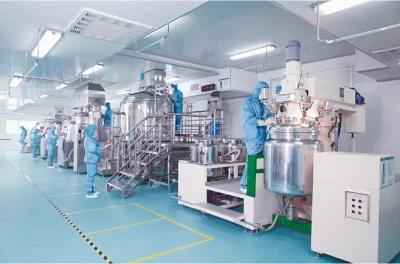
Assessing the Production Floor and QC Systems
Walk the production lines to observe the operational reality.
-
Cleanroom Standards: Cosmetic production must occur in dust-free, high-grade cleanrooms (typically 100,000-level purification workshops).
-
Automation: Look for automated emulsification machines, filling lines, and packaging equipment. High automation reduces human error and ensures consistency across massive batches.
-
Quality Control (QC): Observe their QC checkpoints. Do they test raw materials upon arrival? Do they conduct microbiological testing on every finished batch before it leaves the facility? Strict QC protocols are the hallmark of a dependable partner.
Step 5: Negotiating Clear Terms, MOQs, and IP Protection
The final step in securing a reliable cosmetics manufacturer in Guangzhou is establishing a solid, legally binding foundation for your partnership. Communication and clarity here will prevent costly misunderstandings down the line.
Realistic MOQs and Lead Times
Minimum Order Quantities (MOQs) can make or break a product launch. While some massive factories demand MOQs of 20,000 units, many agile, modern manufacturers in Guangzhou understand the needs of independent e-commerce brands and offer flexible MOQs (e.g., 3,000 to 5,000 pieces) for initial runs. Clearly define production lead times (usually 30-45 days after sample approval) and establish penalties for late deliveries.
Protecting Your Intellectual Property (IP)
If you are developing a custom formula (ODM) or providing your own proprietary formula (OEM), protecting your intellectual property is paramount. Before sharing sensitive brand concepts or technical specifications, insist on signing a rigorous Non-Disclosure, Non-Use, and Non-Circumvention (NNN) Agreement that is enforceable under Chinese law. Ensure your contract clearly states that your brand retains full ownership of the custom formulations developed during the partnership.
Conclusion: Building a Partnership for the Future
Finding a reliable cosmetics manufacturer in Guangzhou in 2026 is a meticulous process of research, verification, testing, and auditing. By prioritizing international compliance, demanding rigorous sample testing, and conducting thorough on-site factory audits, you significantly mitigate the risks associated with overseas manufacturing.
When you find the right factory, they become more than just a supplier—they become the technical backbone of your brand. With the right manufacturing partner in Guangzhou, you can confidently bring innovative, safe, and highly profitable cosmetic products to the global market.
Ready to Manufacture Your Next Best-Selling Beauty Product?
Are you searching for a verified, high-quality cosmetics manufacturer in Guangzhou with advanced R&D capabilities and strict compliance standards? Whether you are looking to formulate premium skincare, professional hair dyes, or daily-use shampoos, our state-of-the-art facilities and expert chemists are ready to bring your vision to life.
We offer flexible MOQs, comprehensive OEM/ODM services, and rigorous quality control tailored for global B2B brands.
Stop guessing and start scaling. Let’s discuss your project today!
💬 Contact us directly on WhatsApp for a free consultation, factory tour, and custom sample requests: [Insert Your WhatsApp Number / Link Here, e.g., +86 13480268601]