
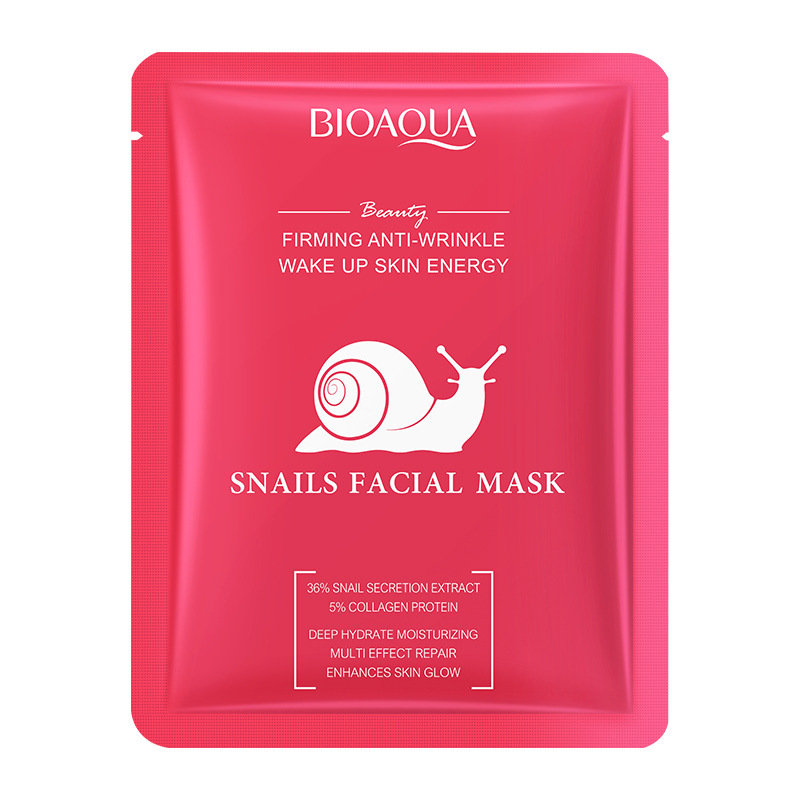
Overview: The Rise and Global Influence of Chinese Skincare Manufacturers
Over the past decade, Chinese skincare manufacturers have undergone a remarkable transformation from being the “world’s factory” to becoming an “innovation engine.” With profound R&D capabilities, flexible production models, and increasingly stringent quality standards, these manufacturers are redefining the competitive landscape of the global beauty industry. Whether international brands are seeking supply chain optimization or emerging brands are pursuing product differentiation, Chinese manufacturers have become indispensable strategic partners.
From OEM to Co-creation: The Evolution of Chinese Manufacturers’ Role
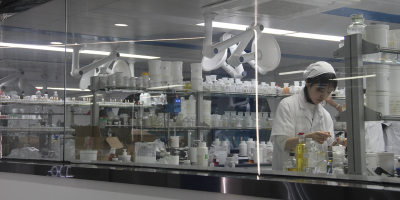
Once primarily engaged in contract manufacturing for multinational brands, Chinese skincare manufacturers occupied the lower end of the value chain. However, with increased domestic investment in R&D and refinement of production processes, many manufacturers have transitioned into “solution providers.” They are not only capable of producing goods to specification but also participate in formula development, packaging design, and market trend analysis, forming deep co-creation relationships with brand owners.
The Chinese Force in the Global Beauty Market
According to the latest industry data, China has become the world’s second-largest skincare market and the fastest-growing major production country. Chinese manufacturers provide production services for over 30% of the world’s well-known brands and dominate specific categories like sheet masks and essences. This market position is attributed to a complete supply chain system and in-depth research on Asian skin types.
Core Technological Advantages: The Competitive Barriers of Chinese Skincare Manufacturers
Biotechnology and Ingredient Innovation
Leading Chinese skincare manufacturers have made significant investments in biotechnology, achieving breakthroughs in natural ingredient extraction, fermentation technology, and synthetic biology. Bloomage Biotech’s global leadership in hyaluronic acid is a prime example, with its patented technology enabling China to hold over 75% of the global hyaluronic acid raw material market.
Many manufacturers also focus on the modern transformation of traditional Chinese herbal wisdom. Utilizing advanced technologies like supercritical extraction and nano-encapsulation, they maximize the efficacy of traditional ingredients such as ginseng, lingzhi mushroom, and centella asiatica, while ensuring their stability and safety. This provides global brands with unique opportunities for product differentiation.
Intelligent Manufacturing and Quality Control Systems
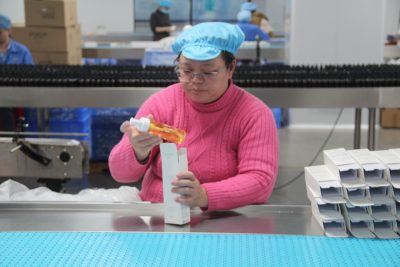
Chinese skincare manufacturers are extensively adopting Industry 4.0 technologies, digitizing and intellectualizing production processes. Fully automated production lines, real-time monitoring systems, and AI-powered quality control have become standard among industry leaders. This intelligent transformation not only enhances production efficiency but also reduces product defect rates to below 0.01%, meeting the highest international standards.
Stringent quality management systems are key to Chinese manufacturers winning international trust. In addition to complying with Chinese National Standards (GB), leading enterprises also hold multiple international certifications such as ISO22716, GMPC, and FDA, ensuring their products can enter major global markets without barriers.
Customization Capabilities: Meeting Diverse Market Demands
Flexible Production Models and Rapid Response
One of the most sought-after advantages of Chinese skincare manufacturers by international brands is their highly flexible production arrangements. Whether it’s small-batch trial production, rapid reorders, or large-scale mass production, the Chinese supply chain offers efficient solutions. This flexibility allows brands to implement a “rapid iteration” product strategy, shortening time-to-market and responding promptly to market changes.
Modular production line designs enable manufacturers to handle products of different formulations and packaging specifications within the same facility, significantly lowering the minimum order quantity threshold for brands. For emerging brands, this means they can validate market assumptions at a lower cost and accelerate growth.
Full-Chain Services from ODM to OBM
Today’s Chinese manufacturers have moved beyond traditional OEM models, offering full-chain services covering market research, formula development, packaging design, regulatory consultation, and logistics support. This “one-stop” solution is particularly suitable for overseas brands entering the Asian market, significantly reducing the complexity and cost of localization.
Some leading manufacturers have even developed their own brands (OBM). By directly engaging with consumers, they validate product concepts and market trends, then feed successful experiences back to partner brands, creating a unique bidirectional feedback mechanism between the “lab and the market.”
Sustainable Development and Ethical Manufacturing: New Commitments from Chinese Manufacturers
Green Factories and Environmental Practices
Facing growing global consumer awareness of environmental protection, Chinese skincare manufacturers have made significant progress in sustainable production. Solar power systems, water recycling, and waste recovery have become standard configurations in many factories. Some pioneering enterprises have even achieved “zero-carbon factory” certification, offering their international partners production options that comply with ESG (Environmental, Social, and Governance) standards.
Regarding packaging materials, Chinese manufacturers are actively developing biodegradable materials, refillable packaging, and lightweight designs, helping brands reduce their carbon footprint. This eco-friendly transition not only responds to global trends but also provides brands with powerful marketing narratives.
Ethical Supply Chains and Transparent Traceability
Chinese skincare manufacturers are gradually establishing transparent and traceable supply chain systems, implementing digital management from raw material cultivation and sourcing to production processing. The application of blockchain technology allows consumers to scan a product QR code to access information on ingredient origins, production batches, and inspection reports, greatly enhancing product credibility.
In terms of animal protection, Chinese manufacturers actively respond to the “cruelty-free” beauty trend, heavily investing in alternative technologies like in vitro testing and computer simulation. As China gradually eases its cosmetic animal testing policies, advancements in this area will further consolidate the global competitiveness of Chinese manufacturing.
International Brand Collaboration Strategies: How to Choose a Chinese Manufacturer
Five Key Dimensions for Evaluating Manufacturers
When selecting a Chinese skincare manufacturer, international brands should systematically evaluate the following five dimensions: R&D capability (number of patents, composition of R&D team), production qualifications (certification systems, compliance records), quality control (testing equipment, defect rate data), supply chain stability (source of raw materials, production capacity flexibility), and case studies (types of brands served, project experience).
On-site audits are crucial. Beyond inspecting hardware facilities, focus should be on the company’s “software”—the professional background of the management team, employee training systems, and corporate culture. These factors often determine the quality of long-term cooperation and adaptability.
Innovative Collaboration Models and Risk Management
Collaboration with Chinese manufacturers has transcended simple buyer-seller relationships, evolving into various innovative models: joint R&D (shared intellectual property), capacity reservation (ensuring supply chain security), market-based risk-sharing agreements, etc. These new models require both parties to establish high levels of mutual trust and transparent communication mechanisms.
Regarding risk management, brand owners should pay special attention to intellectual property protection. Choosing manufacturers with robust confidentiality agreement systems and strict information segregation is crucial. Simultaneously, risks can be effectively dispersed through phased cooperation (from trial production to mass production) and a multi-supplier strategy.
Future Trends: The Next Evolution of Chinese Skincare Manufacturers
Manufacturing Challenges for Personalization and Precision Skincare
With the rise of personalized skincare trends, Chinese manufacturers are investing in flexible production technologies and modular formulation systems to achieve efficient small-batch, multi-variant production. Some pioneering companies have begun exploring “digital twin” technology, optimizing production line configurations through virtual simulation to provide economically viable manufacturing solutions for customized products.
In the field of precision skincare, Chinese manufacturers are collaborating with biotech testing companies to develop targeted products that match genetic testing and skin microbiome analysis. This integrated “diagnosis + solution” model may redefine the product forms and business models of skincare.
Global Layout and Localized Production
Leading Chinese skincare manufacturers are no longer content with domestic production alone; they are beginning to establish regional production bases in major global markets. Southeast Asia, Eastern Europe, and North America have become popular locations. This “global manufacturing, regional supply” strategy can shorten logistics times, reduce tariff impacts, and better cater to local consumer preferences.
Simultaneously, Chinese manufacturers are enhancing their localized service capabilities, setting up R&D outposts and technical service centers in Europe, North America, Japan, and South Korea. By staying close to markets for product adaptation and rapid response, they are truly transitioning from “Made in China” to “Intelligently Made Globally.”
Chinese skincare manufacturers are now at the forefront of the global beauty industry transformation. They offer not just products but complete solutions and innovative collaboration models. Whether it’s established brands seeking supply chain optimization or emerging brands requiring comprehensive support, ideal manufacturing partners can be found in China. With continuous technological advancement and deepening global cooperation, Chinese manufacturers will continue to push the boundaries of skincare innovation, delivering more effective, safer, and more personalized skincare experiences to global consumers.
When selecting a partner, it is recommended that brands look beyond cost considerations and focus on the manufacturer’s R&D capabilities, quality culture, and strategic flexibility. Manufacturers that can combine Chinese expertise with a global perspective while adhering to commitments to sustainable development are most likely to become powerful catalysts for a brand’s long-term growth. In this rapidly changing industry, Chinese skincare manufacturers are not merely producers but innovative partners in exploring the future together.