
In recent years, the global cosmetics market has undergone a quiet yet profound transformation—shifting from standardized mass production towards highly personalized and precise customization. In this transformation, cosmetics custom manufacturers are no longer mere contract factories. They have become technical partners for brand innovation, guarantors of rapid market response, and R&D centers for scientific formulations. With the explosive growth of consumer demand for product personalization, ingredient transparency, and precise efficacy, professional cosmetics custom manufacturers are now positioned at the core of the industry value chain, serving as the critical bridge connecting consumer needs with brand realization.
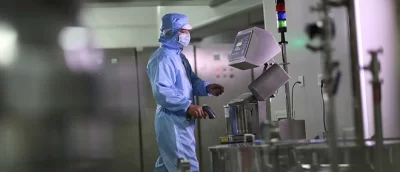
According to data from global market research firms, the personalized beauty market is projected to reach a scale of $40 billion by 2027, with a CAGR exceeding 15%. Behind this figure lies the technological accumulation and production capacity upgrades of numerous cosmetics custom manufacturers. As consumers are no longer satisfied with “one-size-fits-all” products but seek solutions specifically designed for their skin type, tone, and skincare goals, custom manufacturing capability has become a core indicator of a brand’s competitiveness.
The Essential Difference Between Cosmetics Custom Manufacturing and ODM/OEM
When discussing cosmetics custom manufacturers, it is crucial to clearly distinguish their fundamental differences from traditional ODM (Original Design Manufacturer) and OEM (Original Equipment Manufacturer) models:
The ODM service model typically involves the manufacturer providing existing formulations and design plans, with the brand mainly participating in packaging design and marketing. The OEM model involves the brand providing complete formulations and specifications, with the manufacturer responsible only for production. In contrast, genuine cosmetics custom manufacturing is a deep collaborative model—the manufacturer and the brand start from scratch, jointly developing unique formulations specifically designed for a particular consumer group, addressing specific skin concerns, and establishing a complete quality control and supply chain system.
The advantages of this model are evident: brands gain completely exclusive intellectual property rights for formulations, products are highly aligned with the brand story, and they can respond quickly to market trend changes. For emerging brands, partnering with an excellent cosmetics custom manufacturer equates to accessing a mature R&D team, advanced production equipment, and a stringent quality control system, significantly lowering the capital and technological barriers of building their own factory.
The Core Technological Barriers and Innovative Advantages of Cosmetics Custom Manufacturers
R&D Capability: Comprehensive Coverage from Basic Formulations to Cutting-Edge Technology
Top-tier cosmetics custom manufacturers must establish a multi-layered R&D system:
1. Basic Formulation Development and Innovation
True custom manufacturing begins with a profound understanding of base ingredients. Leading manufacturers not only possess extensive ingredient databases (typically covering 3000+ active ingredients) but can also deeply analyze the interaction mechanisms, stability, and bioavailability of each ingredient. For example, when a brand wishes to develop an antioxidant serum for sensitive skin, the manufacturer needs to precisely balance the concentration of active ingredients, penetration enhancers, and soothing components to ensure efficacy without causing irritation.
Modern custom manufacturers place greater emphasis on the evidence-based skincare philosophy, collaborating with dermatologists and research institutions to develop formulations based on clinical testing. A renowned international custom manufacturer has even established a skin model laboratory, capable of predicting usage reactions across different skin types during the product development phase, significantly shortening later-stage testing cycles.
2. Application and Transformation Capability of Cutting-Edge Technologies
From nanotechnology encapsulation to improve active ingredient penetration, to bio-fermentation technology for developing novel natural ingredients; from 3D printing technology enabling personalized product forms, to AI algorithms predicting formulation stability—top cosmetics custom manufacturers must continuously invest in technological R&D. For instance, a leading Korean manufacturer developed “microfluidic emulsification technology,” capable of creating ultra-fine emulsion structures impossible with traditional methods, significantly enhancing product texture and absorption efficiency.
Production Intelligence: How Flexible Supply Chains Support Small-Batch Customization
1. Modular Production Line Design
Traditional cosmetics production lines typically require minimum orders of tens of thousands of units. Modern custom manufacturers, through modular, digitalized production lines, have achieved flexible production capacity of “one line, a thousand formulations.” Each production module can be independently cleaned and adjusted for parameters. Different formulation products can be produced sequentially on the same line, with the minimum order quantity potentially reduced to a few hundred units, and changeover times compressed to less than 30% of traditional models.
2. Digital Quality Control Systems
End-to-end digital traceability from raw material intake to finished product dispatch has become standard for quality custom manufacturers. Through IoT sensors monitoring production parameters in real-time, AI visual inspection systems ensuring perfect packaging, and blockchain technology recording complete supply chain information for each batch. A European manufacturer even provides a “digital passport” for each custom product; consumers can scan a code to view transparent information including full ingredient traceability, production date, and test reports.
How to Choose the Right Cosmetics Custom Manufacturer: A Decision Framework for Brands
Assessing Technical Compatibility: Looking Beyond Equipment Lists
1. Does the Formulation Development Capability Align with Your Product Positioning?
If your brand focuses on clean beauty, it is crucial whether the manufacturer has a non-controversial ingredient screening system and relevant certifications (e.g., COSMOS, EWG VERIFIED). If tech-driven skincare is the focus, then evaluate its number of patented technologies, clinical testing capabilities, and depth of collaboration with research institutions.
Case Study: A emerging domestic brand, when developing an anti-aging line, chose a manufacturer specializing in peptide stabilization technology. Its unique encapsulation system maintained active ingredient stability for 18 months at room temperature, which became a core selling point of the product.
2. Minimum Order Quantity (MOQ) and Production Flexibility
Production models vary significantly among manufacturers. Some focused on large-scale customization may require MOQs of 10,000 units or more, while those specializing in niche, high-end markets might offer small-batch services of 500-1000 units, albeit at a higher unit cost. Brands need to consider market testing strategies, cash flow, and inventory risk comprehensively.
Supply Chain Reliability and Compliance Assurance
1. Global Compliance Layout
High-quality cosmetics custom manufacturers typically possess experience with market access in multiple countries, familiar with the requirements of different regulatory systems like EU CPNP, US FDA, and China NMPA. They can not only ensure products comply with regulations but also pre-identify potential future ingredient restriction changes, helping clients mitigate future risks.
2. Raw Material Supply Chain Stability
In the post-pandemic era, raw material supply chain stability has become a key consideration. Leading manufacturers establish diversified procurement networks, maintain safety stock for key active ingredients, and build strategic partnerships with major suppliers. For example, a top Asian manufacturer operates 6 raw material procurement centers globally, ensuring that even if supply is disrupted in one region, ingredients of the same quality can be sourced from alternatives.
Future Trends: Five Development Directions for Cosmetics Custom Manufacturing
Technology Convergence: Deep Integration of Biotechnology and Digitalization
1. Biomarker-Based Personalization
The next phase of customization will move beyond basic skin type classification to develop truly “one-person-one-formula” products based on consumers’ skin microbiome analysis, gene expression data, or lifestyle information. Some manufacturers have begun collaborating with genetic testing companies to develop skincare regimens based on genetic polymorphisms, designing exclusive formulas tailored to individual differences in collagen metabolism and antioxidant capacity.
2. AI-Driven Formulation Development Platforms
By using machine learning to analyze tens of thousands of formulation data points and consumer feedback, AI can predict the stability, sensory feel, and potential efficacy of new formulations, reducing the traditional 6-12 month development cycle to a few weeks. An innovative manufacturer’s AI platform allows clients to input target efficacy, texture preferences, and cost range; the system then generates multiple preliminary formulation options for further optimization.
Sustainable Customization: Balancing Environmental and Commercial Value
1. Zero-Waste Production Models
The new generation of cosmetics custom manufacturers is redesigning production processes to achieve water recycling, energy recovery, and zero raw material waste. For instance, a German manufacturer’s “precision filling system” reduces product residue to below 0.1%, compared to the typical 3-5% waste in traditional filling.
2. Eco-Friendly Solutions for Customizable Packaging
Customization extends beyond formulas to packaging. Manufacturers are starting to offer modular packaging systems—brands can select a base container and achieve personalization through interchangeable labels, decorative rings, etc., significantly reducing mold costs while lowering environmental footprint. Some cutting-edge manufacturers are even developing refillable packaging systems where consumers only need to purchase refills for continuous use.
Conclusion: The Strategic Value of Choosing a Cosmetics Custom Manufacturer
In an increasingly competitive beauty market, partnering with an excellent cosmetics custom manufacturer has shifted from a “cost consideration” to a strategic investment. This collaboration is not just about product realization but also involves building the brand’s technological narrative, shaping supply chain resilience, and cultivating long-term innovation capability.
Successful case studies show that establishing a transparent, trusting, and long-term partnership between brand and manufacturer can create a synergistic effect greater than the sum of its parts. The manufacturer’s technical expertise combined with the brand’s market insight is what creates products that truly resonate with consumers. When a consumer picks up a jar of cream, they see the brand’s beautiful packaging and compelling story, but supporting all this is the countless R&D hours, precise production processes, and stringent quality control of the behind-the-scenes cosmetics custom manufacturer.
In the future, with the deepening of personalized demands and continuous technological breakthroughs, cosmetics custom manufacturers will participate more deeply in the entire process of brand value creation, transforming from “manufacturing service providers” to “beauty solution innovation partners.” Brands that recognize this shift early and choose to partner with technologically advanced manufacturers will gain a first-mover advantage in the next wave of industry restructuring, collectively defining the future landscape of the beauty industry。