
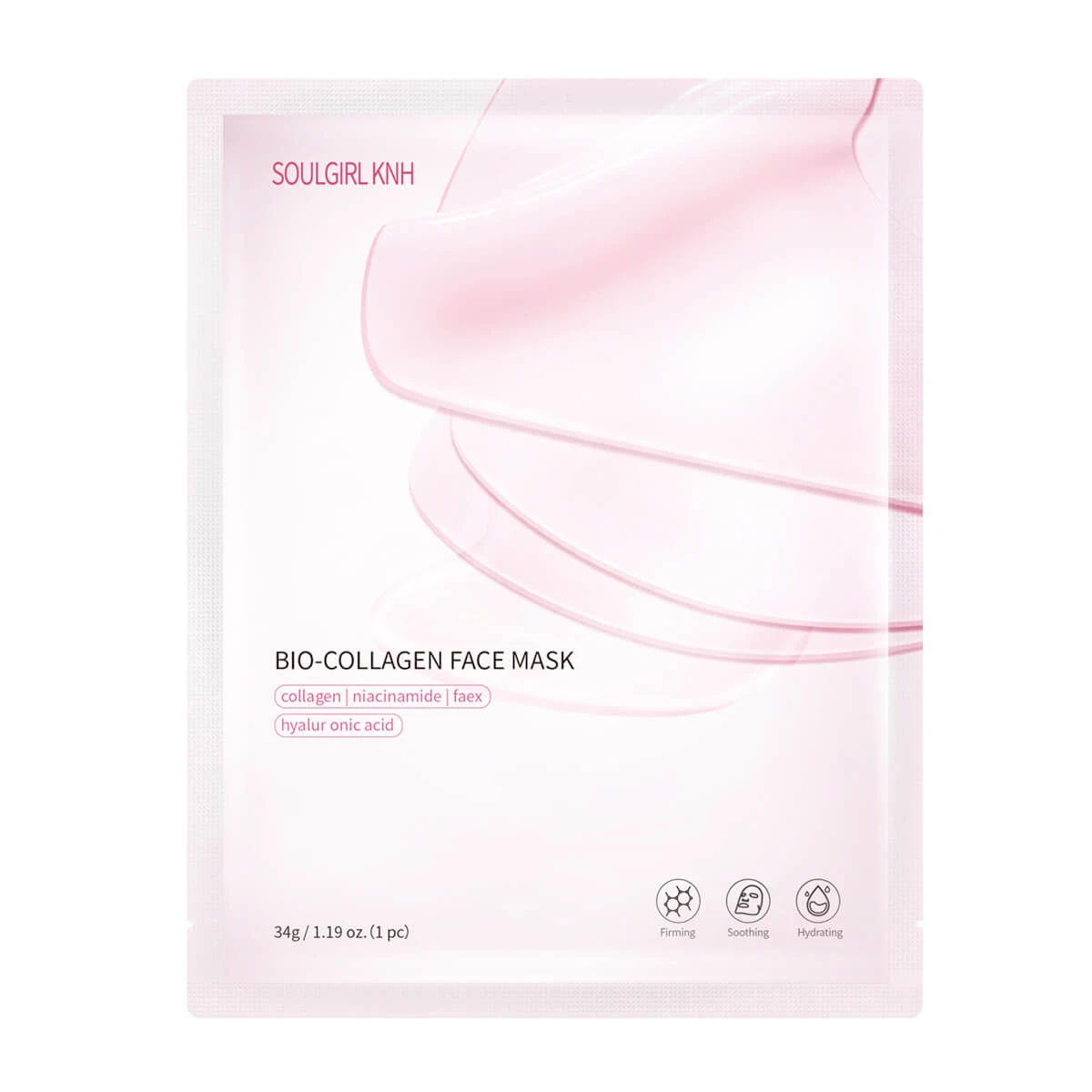
Why Finding a High-Quality Cosmetic OEM Manufacturer is Crucial
In the fiercely competitive cosmetics market, product quality directly determines the survival of a brand. A growing number of emerging brands and established companies are realizing that partnering with a high-quality cosmetic OEM manufacturer is not just a choice in the production chain but a strategic decision for long-term brand development.
Quality Determines Market Competitiveness
As consumer demands for cosmetic safety and efficacy continue to rise, the market has shifted from price competition to quality competition. A 2023 industry survey showed that 78% of consumers are willing to pay a premium of over 30% for higher-quality cosmetics. This consumption trend forces brand owners to reassess their supply chain choices, and high-quality OEM manufacturers are the key link in ensuring product competitiveness.
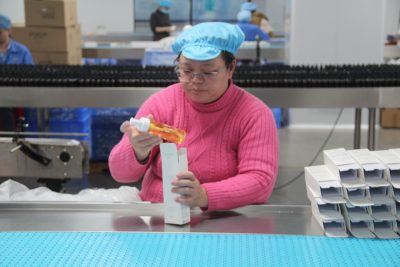
True quality is not only reflected in the final product but runs through the entire production process. From raw material screening to production techniques, from quality control testing to packaging details, every step taken by a high-quality OEM manufacturer reflects a pursuit of excellence. This comprehensive quality assurance is unmatched by small producers or low-standard manufacturers.
Avoiding Potential Business Risks
Partnering with unqualified OEM manufacturers can lead to disastrous consequences. In recent years, the cosmetics industry has frequently witnessed brand crises caused by production issues: excessive ingredient levels, microbial contamination, false efficacy claims, and other problems are not uncommon. These incidents not only cause direct financial losses but also severely damage brand reputation and can even lead to legal disputes.
High-quality cosmetic OEM manufacturers help brand owners avoid these risks through comprehensive quality management systems, strict production standards, and transparent supply chains. They typically possess internationally certified production qualifications and follow high-standard production processes like cGMP (current Good Manufacturing Practices), ensuring every batch of products meets the strictest industry standards.
How to Define a Truly High-Quality Cosmetic OEM Manufacturer?
R&D Capabilities and Innovation Strength
Professional Background of the Core Technical Team
A truly high-quality cosmetic OEM manufacturer must possess a strong R&D team. This team is usually composed of experienced cosmetic scientists, dermatology experts, and chemical engineers who not only understand cosmetic formulation principles but also stay abreast of the latest developments in skin science research. Excellent OEM manufacturers continuously invest in R&D, keeping pace with global cosmetic technology advancements.
Breadth and Depth of the Formula Library
A valuable OEM partner should have a rich and proven formula library. These formulas should not only be numerous but also cover products for different skin types, efficacy needs, and market positions. More importantly, high-quality manufacturers can quickly adjust and optimize existing formulas, or even develop entirely new custom formulas based on clients’ specific needs.
Production Equipment and Quality Control Systems
Modern Production Facilities
High-quality cosmetic production requires advanced equipment support. From vacuum emulsifiers to sterile filling lines, from automated production lines to smart warehousing systems, modern facilities are the foundation for ensuring product consistency and stability. Visiting the production facility of a potential partner is a crucial step in assessing its quality capabilities—a clean, orderly environment, advanced production lines, and strict personnel operating procedures are all external manifestations of a high-quality manufacturer.
Comprehensive Quality Control System
Quality control should not stop at final product testing. High-quality OEM manufacturers implement full-process quality control, with strict quality standards for every step from raw material intake inspection, production process monitoring, to finished product release testing. They typically have well-equipped laboratory testing capabilities, able to conduct various professional tests such as stability testing, microbial testing, and efficacy verification.
Key Criteria for Choosing a High-Quality Cosmetic OEM Manufacturer
Certifications and Compliance Capabilities
Internationally Recognized Quality Certifications
When searching for an OEM manufacturer, the first step is to confirm their certifications. ISO 22716 (Cosmetics Good Manufacturing Practices) is the most basic international certification, while higher-standard manufacturers may also hold cGMP, FDA registration, and other qualifications. These certifications are not just plaques on the wall; they represent that the manufacturer has established and implemented a complete, effective quality management system.
Regulatory Compliance and Market Access Support
Cosmetic regulations vary across different countries and regions. High-quality OEM manufacturers should possess knowledge of multiple regulatory frameworks and be able to help brand owners smoothly enter target markets. Whether it’s China’s Cosmetics Supervision and Administration Regulations, the EU’s EC 1223/2009, or US FDA requirements, excellent manufacturers should provide corresponding compliance support, including professional services like document preparation, ingredient review, and labeling compliance.
Technical Capabilities and Formulation Specialties
Special Delivery Forms and Technological Innovation Capabilities
Market demands for cosmetics are increasingly diverse, ranging from traditional liquids and emulsions to innovative forms like microcapsules, nanocarriers, and waterless formulas. High-quality OEM manufacturers should have the capability to produce multiple delivery forms and continuously develop new technological applications based on market trends. For example, the rise of sustainable cosmetics requires manufacturers to master eco-friendly formulation technologies, while the clean beauty trend places higher demands on ingredient transparency and safety.
Efficacy Verification and Clinical Testing
Modern consumers are increasingly focused on the actual effectiveness of cosmetics, not just marketing claims. High-quality OEM manufacturers should have the capability to conduct or organize scientific efficacy verification tests, including in vitro testing, consumer use tests, and even clinical evaluations. This objective data not only aids product development but also provides credible support for brand marketing.
Best Practices for Partnering with High-Quality Cosmetic OEM Manufacturers
Defining Requirements and Expectations
Developing a Detailed Product Specification Sheet
Before contacting an OEM manufacturer, brand owners should define their needs as clearly as possible. A detailed product specification sheet should include target skin type, primary efficacy, desired texture, fragrance preferences, packaging form, budget range, and market positioning. The clearer the requirements, the more precisely the manufacturer can provide solutions, reducing back-and-forth modifications during development.
Establishing Realistic Quality Expectations
High quality does not mean unlimited cost investment. Excellent OEM manufacturers can help clients find the optimal balance between quality and cost. They can provide different grade options and clearly explain the advantages and limitations of each, helping clients make informed decisions.
Communication and Collaboration Mechanisms
Establishing Efficient Project Communication Processes
Successful OEM partnerships are built on good communication. Designating fixed project leaders, establishing regular progress reporting mechanisms, and clarifying decision-making processes and feedback timelines can significantly improve collaboration efficiency. High-quality manufacturers typically have well-established project management systems to ensure smooth information flow and timely problem resolution.
Protecting Intellectual Property and Trade Secrets
Cosmetic formulations and brand concepts are core trade secrets. High-quality OEM manufacturers understand this and will provide strict intellectual property protection measures, including confidentiality agreements, restricted access to formulas, and secure production environments. Intellectual property ownership and protection measures should be clarified at the beginning of cooperation to establish a foundation of mutual trust.
Future Trends: Innovative Development of High-Quality Cosmetic OEM
Sustainability and Environmental Responsibility
Modern consumers care not only about product quality but also increasingly about the environmental impact of production and social responsibility. Leading high-quality OEM manufacturers are actively implementing sustainability strategies, including using renewable raw materials, reducing packaging waste, lowering carbon footprints, and ensuring ethical standards in the supply chain. These initiatives are not only moral responsibilities but also significant advantages for brand marketing.
Digitalization and Intelligent Production
With the development of Industry 4.0 technologies, cosmetic production is undergoing digital transformation. High-quality OEM manufacturers are introducing intelligent production systems, big data analytics, and artificial intelligence to achieve more precise production control, more efficient quality management, and more flexible production scheduling. These technological applications not only improve product consistency but also shorten development cycles, making small-batch custom production more economically viable.
Personalization and Customization Trends
Consumer demand for personalized cosmetics is growing, from custom foundation shades to individualized skincare regimens. The market is moving towards highly personalized directions. Through modular formulation systems and flexible production lines, high-quality OEM manufacturers are increasingly able to meet the needs for small-batch, multi-variety production, providing brands with powerful support for differentiated competition.
Conclusion
Choosing a high-quality cosmetic OEM manufacturer is a comprehensive strategic decision involving multiple considerations of quality, cost, innovation, and risk management. When making a choice, brand owners should not just compare prices but comprehensively evaluate the manufacturer’s technical capabilities, quality systems, compliance abilities, and service support.
A truly valuable partnership is bidirectional, long-term, and based on mutual understanding and shared growth. High-quality OEM manufacturers are not just product producers but strategic partners in technological R&D, quality assurance, and market adaptation. In this highly competitive market, partnering with the right high-quality OEM manufacturer may be one of the most important decisions for a brand’s success.
If you are looking for a cosmetic OEM partner, it is recommended to evaluate from multiple dimensions: conduct on-site inspections of production facilities, audit certifications, understand R&D capabilities, test communication efficiency, and seek feedback from existing clients whenever possible. Only through comprehensive and meticulous evaluation can you find a cosmetic OEM manufacturer that truly meets the “high-quality” standard and lay a solid foundation for your brand’s development.