
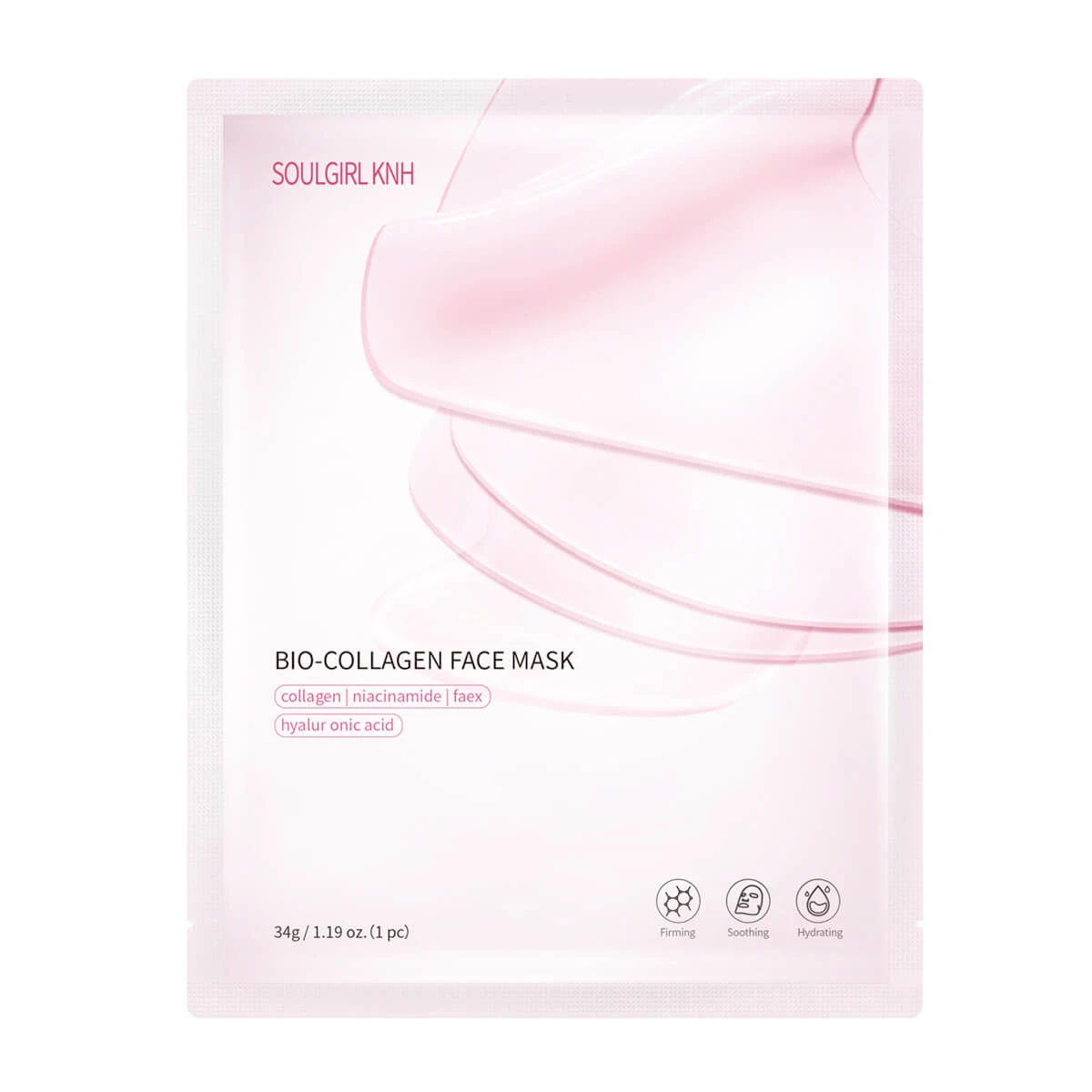
Behind every successful new brand story in today’s global beauty market, there often stands a powerful yet invisible Chinese partner. From the spark of inspiration in Paris to the formula realization in Shanghai labs, from brand concepts in New York to perfect mass production on Guangzhou production lines, Chinese cosmetic OEM (Original Equipment Manufacturer) companies have quietly become the core engine driving innovation in the global beauty industry. This article will provide an in-depth analysis of the unique advantages of this robust supply chain, the key dimensions for selecting a partner, and how it is shaping the future of the beauty industry.
The Global Rise of Chinese Cosmetic OEM: Beyond Cost Advantage
In the past, “Made in China” was often equated with low cost. However, today’s Chinese cosmetic OEM industry has undergone a magnificent transformation, with its core competitiveness upgraded in all aspects.
Full Industry Chain Clusters and Extreme Efficiency
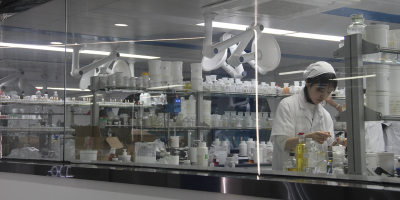
China boasts the world’s most complete and dense cosmetic supply chain clusters. Represented by beauty industry belts in Shanghai, Guangzhou, Huzhou (Wuxing Beauty Valley), and Pingtan, these areas have formed a closed-loop ecosystem encompassing raw materials, packaging, design, R&D, production, testing, and logistics. This high degree of geographical concentration brings unparalleled synergistic efficiency and response speed. From concept to finished product, a new product’s development cycle can be shortened to 4-8 weeks with the collaboration of a Chinese OEM partner, compared to the traditional model which often takes over 6 months. This “China Speed” is the most valuable asset in the fast-paced beauty market.
Depth in R&D Innovation and Formula Reserves
Leading Chinese OEM manufacturers have long moved beyond simple imitation. They invest heavily in R&D annually, establishing advanced research centers and collaborating with top-tier domestic and international research institutes and universities. Their core competitiveness is reflected in:
-
Ingredient Foresight: Leading global research on characteristic Chinese plant extracts (such as Ganoderma lucidum, Saussurea, tea polyphenols), while rapidly integrating the world’s latest active ingredients.
-
Formula Database: Top OEM enterprises possess thousands of mature formula reserves, enabling them to quickly develop products that meet market trends (like clean beauty, microbiome skincare, blue light protection).
-
Process Technology: Chinese manufacturers now possess world-class implementation capabilities in cutting-edge areas such as nano-encapsulation, freeze-drying technology, waterless formulations, and sustainable packaging.
How to Choose the Right Chinese OEM Partner: Five Key Dimensions Beyond Price
Selecting an OEM partner is a strategic decision for a brand’s success. Price is just the tip of the iceberg; brands should thoroughly investigate the following core dimensions:
Compliance & Quality Control Systems: The Non-Negotiable Baseline
Safety is the lifeline of cosmetic products. Excellent Chinese OEM manufacturers view compliance as a core competency.
-
Certification Threshold: Primarily check if they hold the Cosmetics Production License issued by China’s National Medical Products Administration (NMPA) and comply with the latest Regulations on the Supervision and Administration of Cosmetics. International certifications like ISO 22716 (Cosmetics Good Manufacturing Practices), GMPC, and ISO 9001 are foundational.
-
Transparency in Quality Control: Gain a deep understanding of their end-to-end quality control process—from raw material intake (COA reports) to production (IPC online control) to finished product release (full testing for microbes, heavy metals, etc.). Request to visit their laboratories and inspect testing equipment and records.
Service Model & Collaborative Innovation Capability
The OEM cooperation model has evolved from “processing with supplied materials” to “deep collaborative innovation” (ODM/OBM).
-
Service Scope: Evaluate whether they can provide an “end-to-end solution” encompassing market insight, concept planning, formula development, packaging design, filling production, and regulatory filing.
-
Communication & Project Management System: Confirm if they have an international service team, efficient communication processes (e.g., regular project meetings, reports), and a transparent project management platform to ensure smooth cross-timezone, cross-cultural collaboration.
-
Minimum Order Quantity (MOQ): This is crucial for startups or niche brands. Industry-leading manufacturers now offer highly flexible low-MOQ options (e.g., 10,000 – 30,000 units per SKU) and even flexible production lines specifically designed for incubating brands.
The Future is Here: Industry Trends Led by Chinese Cosmetic OEM
Chinese manufacturers are not merely trend followers; they are increasingly becoming definers and drivers of new trends.
Practitioners of Sustainability and Green Manufacturing
In response to the global environmental wave, top Chinese OEM factories are actively taking action:
-
Green Factories: Investing in building LEED-certified factories, utilizing solar energy, and achieving wastewater recycling and carbon reduction.
-
Sustainable Packaging: Providing recyclable, refillable, and biodegradable packaging solutions, and co-developing eco-friendly materials with upstream packaging suppliers.
-
Green Formulations: Promoting waterless serums and concentrated products to reduce transportation carbon footprint, and developing readily biodegradable formulation systems.
Deep Integration of Digitalization and Smart Manufacturing
Industry 4.0 is becoming a reality in cosmetic factories. By introducing MES (Manufacturing Execution Systems), IoT, and big data, they achieve:
-
End-to-End Traceability: Every single bottle of product can be traced back to specific raw material batches, production teams, and process parameters.
-
Flexible Production: Rapidly switching production lines to meet the demand for small-batch, multi-variety customization.
-
AI-Assisted R&D: Utilizing artificial intelligence to predict formula stability and analyze market ingredient trends, significantly improving R&D efficiency.
Conclusion: From Supply Chain to “Value Co-Creation Chain”
Today’s Chinese cosmetic OEM manufacturers play a role far beyond that of a production contractor. They are a brand’s strategic partner, innovation think tank, and risk controller. With world-class R&D capabilities, extremely flexible supply chains, stringent quality standards, and forward-looking sustainability vision, they empower global beauty brands to jointly create the next disruptive product for consumers.
For brands, choosing a Chinese OEM means choosing a pathway to rapidly, securely, and competitively transform creativity into market bestsellers. This value revolution, which began with “manufacturing” and culminates in “intelligent manufacturing,” is redefining the rules of the game in the beauty world. The future belongs to those brands that know how to deeply align and co-create value with the most excellent Chinese manufacturing partners.
Next Steps Recommendation: After preliminary screening of potential partners, it is essential to arrange an in-depth on-site factory audit. Seeing their production environment, R&D team, and quality control processes firsthand, and engaging in strategic dialogue with core management, is the cornerstone for establishing a long-term, stable, and mutually trusting partnership.