
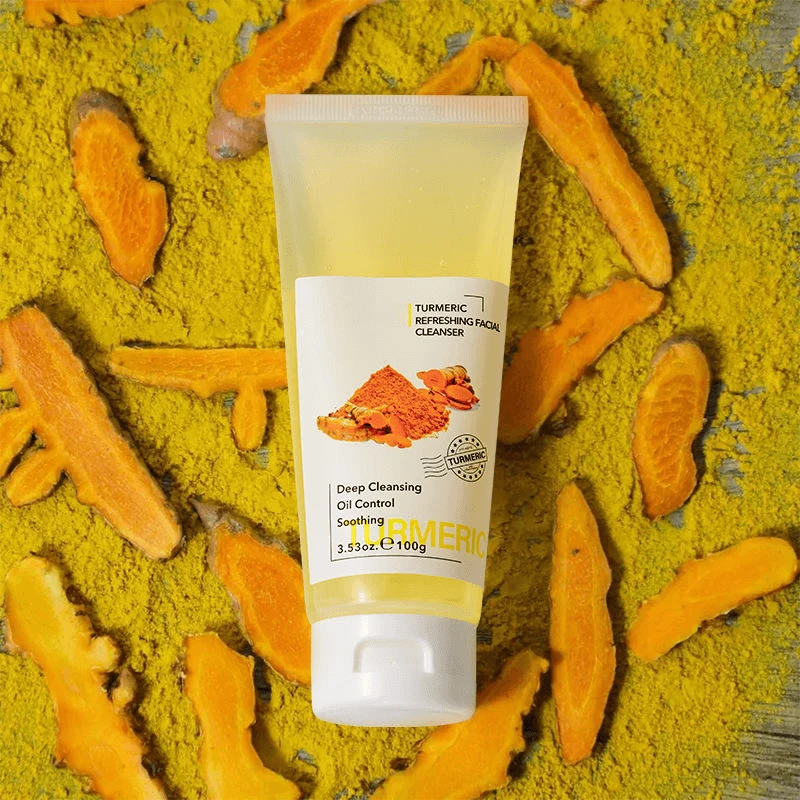
When you pick up a lipstick from an international luxury brand, or a serum from a trending influencer brand, its birthplace might not be Paris, New York, or Seoul, but China. China Cosmetics OEM (Original Equipment Manufacturer) has quietly become an indispensable core force in the global beauty industry chain. They are not merely contract producers, but integrated solution providers encompassing R&D, design, and manufacturing. This article provides a deep dive into this vast and professional industry, reveals how to select high-quality partners, and insights into its future trends, unlocking the door to brand success for you.
I. The Panorama of China’s Cosmetics OEM Industry: Scale, Clusters, and Core Advantages
China has become the world’s second-largest cosmetics consumer market, and its symbiotic OEM/ODM (Original Design Manufacturer) industry has also undergone a leap from extensive to intensive, from imitation to innovation.
1. Industrial Clusters: Specialized Division, Distinct Features
Cosmetics manufacturing in China is not scattered but forms highly concentrated industrial clusters, each with its own focus:
-
Pearl River Delta Cluster (Guangdong): Centered around Guangzhou, Shenzhen, and Foshan, it is the largest with the most complete industry chain. Excels in skincare, sheet masks, personal care, and color cosmetics across all categories, especially known for rapid response to market trends and highly efficient supply chains. It hosts everything from international giants to top domestic OEMs.
-
Yangtze River Delta Cluster (Shanghai, Zhejiang, Jiangsu): With Shanghai as the R&D and brand hub, production strengths are found in places like Huzhou, Zhejiang (“Beauty Town”) and Suzhou, Jiangsu. This region emphasizes R&D capability, quality control, and high-end production capacity, leading in areas like biotechnology and natural plant extracts.
-
Other Regions: Places like Shandong and Fujian also have solid foundations in specific categories such as personal care and oral care.
2. Core Advantages: Why Do Global Brands Choose Made in China?
-
Unparalleled Supply Chain Efficiency: In Guangdong, a factory can find all suppliers for packaging, raw materials, and printing services within a 50-kilometer radius. This density drastically reduces logistics and time costs, shortening the product development cycle from concept to launch to 30-45 days.
-
Increasingly Powerful R&D and Innovation: Leading Chinese OEMs invest 5%-8% of their annual revenue in R&D, boasting self-owned labs, strategic partnerships with top global ingredient suppliers (like BASF, DSM), and active exploration in cutting-edge fields like microbiome skincare, clean beauty, and targeted delivery technologies.
-
Flexible Production Models & Cost Control: Capable of handling flexible demands from mini-orders (for startup brands to test the waters) to million-unit large orders. Competitive costs are achieved through economies of scale in procurement and production management without compromising quality.
-
Stringent Compliance Assurance: Since the implementation of the Cosmetics Supervision and Administration Regulations, industry oversight has become extremely strict. Top-tier OEM factories generally hold certifications like ISO22716/GMPC and ISO9001, with mature systems for raw material approval, production standards, and product filing, helping brands navigate regulatory risks.
II. The Golden Rules for Selecting a High-Quality OEM Manufacturer
Facing thousands of manufacturers in the market, how do you find the perfect match? The following key points require careful evaluation.
1. Hard Power Audit: Factory Visit is Indispensable
-
R&D Laboratory: Is it well-equipped? Is there an experienced team of formulation scientists? Can they provide forward-looking market trend analysis and custom formulation development?
-
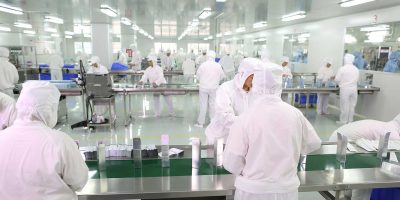
Production Facility: Does the environment meet 100,000-class cleanliness standards? Is the production line automated and intelligent? Review online quality control records.
-
Quality Inspection Center: Is it equipped with precision instruments like chromatographs and spectrometers for physicochemical and microbiological testing of raw materials and finished products? Can they provide third-party test reports from authoritative agencies?
2. Soft Power Assessment: Communication & Service Mindset
-
Case Studies & Reputation: Examine the types of brands they have served (international, domestic top-tier, emerging brands). Ask for shareable case studies. Seek out industry reputation through private channels.
-
Project Management Team: Do they assign a dedicated project manager offering one-stop service from formulation, design, packaging, production to regulatory filing? Is their response timely and efficient?
-
Compliance & Intellectual Property Protection: Do they have a rigorous Non-Disclosure Agreement (NDA)? Can they clearly guide you through the product filing process (especially for special-use cosmetics)? Ensure your brand assets are absolutely secure.
III. From OEM to ODM: Building a Strategic Partnership with Your Manufacturer
The relationship between top brands and manufacturers has long evolved beyond simple contracting into a strategic alliance for co-development and shared value creation.
1. Define Needs for Precise Matching
Before approaching a factory, brands must clarify: target audience, price positioning, core product selling points (e.g., ingredients, texture, efficacy), expected launch timeline, and initial order quantity. Clear requirements enable manufacturers to quickly provide feasibility plans and accurate quotations.
2. Leverage the Manufacturer’s R&D Capability
Do not view manufacturers merely as executors. Share market insights with them and involve them in early-stage concept brainstorming. Excellent ODM manufacturers can propose more innovative and practical product ideas based on their understanding of ingredients, technology, and cost, even helping you anticipate regulatory risks.
3. Co-build Long-term Quality Control & Upgrade Plans
Jointly establish internal quality control standards that exceed national requirements with your manufacturer, and set up regular audit mechanisms. Plan product line extensions for successful products; collaborate on formula or process improvements when issues arise. This deep collaboration ensures lasting product vitality.
IV. Future Trends: The Next Frontiers for Chinese Cosmetics Manufacturing
The industry is undergoing profound changes. Grasping trends is key to winning the future.
1. Scientification & Efficacy as King
As consumers become more rational, evidence-based efficacy claims are imperative. Leading OEMs are increasing investment in skin testing instruments, in-vitro/in-vivo efficacy testing, and clinical evaluation, using scientific data to back products. Technologies like bio-fermentation and nano-encapsulation will become standard.
2. Sustainability & Green Manufacturing
Eco-friendly, recyclable packaging, zero-waste formulas, and carbon-neutral factories are not just ethical choices but reflections of brand value. Manufacturers with green supply chain management capabilities will become the preferred choice for international brands.
3. Digitalization & Flexible Supply Chains
Utilizing IoT, AI, and Big Data to enable real-time production monitoring, demand forecasting, and production scheduling optimization. Future factories will achieve smaller batches, greater variety, and faster customization, truly meeting the challenges of the C2M (Customer-to-Manufacturer) era.
4. Service Extension for Brand Globalization
Many Chinese OEMs, leveraging their familiarity with international regulations (like EU EC and US FDA), are beginning to offer “one-stop globalization” services for domestic brands, covering target market compliance consulting, product localization, production, and logistics, becoming crucial facilitators for brand globalization.
Conclusion
Choosing an excellent China Cosmetics OEM Manufacturer is far from a simple procurement exercise. It is about integrating a strategic growth partner that serves as an innovation engine, quality fortress, efficiency hub, and compliance advisor for your brand. In this era where product power reigns supreme, delving into the source of the industry chain and partnering with the most professional manufacturing force is the wisest decision for any brand aspiring to rise.
The next time you conceive a product poised to disrupt the market, cast your eyes toward China—home not only to mature manufacturing but also to the sparks of future-leading intelligence, waiting to collide with your vision.