
What is a Cosmetics OEM Customization Inquiry?
Definition & Core Objectives
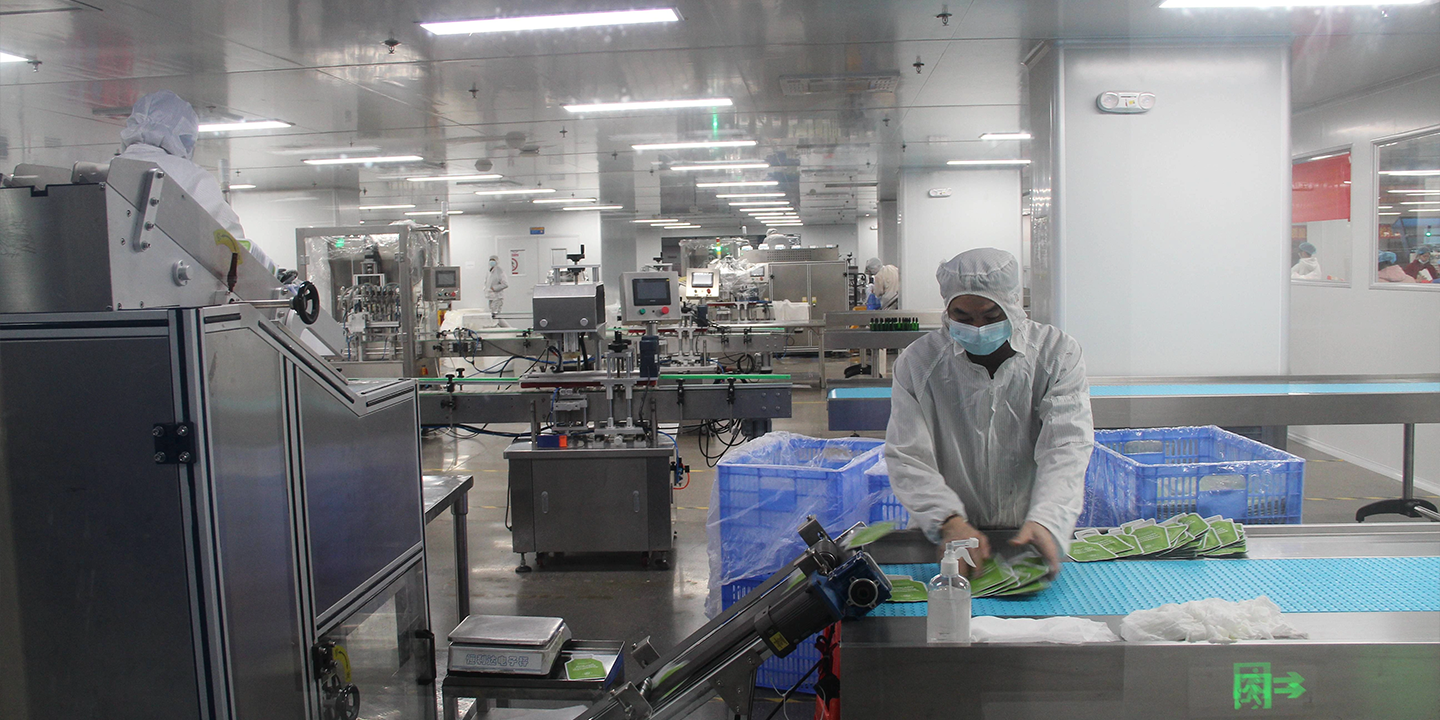
A Cosmetics OEM Customization Inquiry is a formal request from a brand to an Original Equipment Manufacturer (OEM) to create tailored cosmetic products. Unlike off-the-shelf solutions, OEM customization allows brands to define every aspect of their product—from formulation and ingredients to packaging and branding. The core objectives include: aligning products with brand identity, meeting specific market needs, and differentiating from competitors. For example, a skincare brand might request a vegan, cruelty-free moisturizer with a unique scent profile to target eco-conscious consumers.
Why Brands Need Customization Inquiries
In today’s saturated beauty market, generic products fail to stand out. Customization inquiries enable brands to: 1) Address unmet consumer demands (e.g., sensitive skin formulations), 2) Build brand loyalty through personalized experiences, 3) Optimize costs by scaling production efficiently. A 2023 study by Grand View Research found that 68% of beauty brands prioritize OEM customization to gain a competitive edge.
Key Components of a Successful Cosmetics OEM Inquiry
Product Specifications & Formulation Requirements
The foundation of any OEM inquiry is clear product specifications. This includes: 1) Ingredient list (e.g., hyaluronic acid for hydration), 2) Formulation type (e.g., cream, serum, lotion), 3) Performance claims (e.g., “reduces fine lines in 4 weeks”). Brands must also specify regulatory compliance (e.g., FDA, EU Cosmetics Regulation) to avoid legal issues. For instance, a sunscreen brand must ensure its SPF claim is validated by third-party testing.
Packaging & Branding Customization
Packaging is a critical touchpoint for consumers. A successful inquiry includes: 1) Design elements (e.g., color, logo placement), 2) Material selection (e.g., recyclable plastic, glass), 3) Functional features (e.g., pump dispensers for hygiene). A case study of a luxury makeup brand showed that custom packaging increased product perceived value by 35% and sales by 22% within 6 months.
Regulatory Compliance & Quality Standards
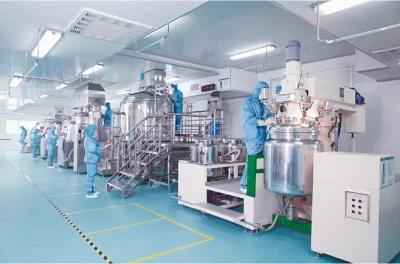
Non-compliance can lead to product recalls and brand damage. Brands must include: 1) Certifications (e.g., GMP, ISO 22716), 2) Testing requirements (e.g., stability, microbiology), 3) Labeling guidelines (e.g., ingredient list, expiration date). For example, a hair care brand must ensure its products are free from banned substances like parabens and sulfates.
How to Prepare for a Cosmetics OEM Customization Inquiry
Market Research & Target Audience Analysis
Before submitting an inquiry, brands must conduct thorough market research. This includes: 1) Identifying consumer trends (e.g., clean beauty, sustainable packaging), 2) Analyzing competitor products, 3) Defining target audience demographics (e.g., age, skin type). A 2024 report by Statista found that 72% of consumers prefer brands that align with their values, making this step crucial for success.
Budget Planning & Cost Estimation
OEM customization costs vary based on factors like formulation complexity, packaging type, and order quantity. Brands should: 1) Request detailed quotes from multiple manufacturers, 2) Allocate budget for sampling and testing, 3) Consider long-term production costs. For example, a small batch of 500 units might cost $5 per unit, while a large batch of 10,000 units could reduce costs to $2 per unit.
Sample Testing & Validation
Sampling is a critical step to ensure product quality. Brands should: 1) Request prototypes for testing, 2) Conduct consumer feedback surveys, 3) Validate performance claims. A skincare brand might test its new serum on 100 volunteers to measure hydration levels and skin irritation before full production.
Choosing the Right Cosmetics OEM Partner
Evaluating Manufacturer Capabilities
When selecting an OEM partner, brands should assess: 1) Production capacity (e.g., monthly output), 2) Technical expertise (e.g., R&D team, lab facilities), 3) Industry experience (e.g., working with similar brands). A manufacturer with ISO 22716 certification demonstrates a commitment to quality and compliance.
Case Studies: Successful Brand-OEM Collaborations
Case Study 1: A startup skincare brand partnered with an OEM to create a custom anti-aging serum. The OEM provided formulation expertise and scalable production, leading to a 50% increase in sales within 12 months. Case Study 2: A hair care brand worked with an OEM to develop a sulfate-free shampoo, which became a bestseller on Amazon within 6 months.
Red Flags to Avoid
Brands should watch for: 1) Lack of transparency (e.g., hidden fees), 2) Poor communication (e.g., delayed responses), 3) Inadequate quality control (e.g., no third-party testing). A manufacturer that cannot provide references or certifications should be avoided.
Maximizing ROI from Your Cosmetics OEM Customization Inquiry
Post-Inquiry Follow-Up Strategies
After submitting an inquiry, brands should: 1) Follow up regularly to track progress, 2) Negotiate terms (e.g., minimum order quantity, delivery timeline), 3) Establish a long-term partnership. A 2023 survey found that brands with regular communication with their OEM partners have a 30% higher success rate.
Scaling Production & Brand Growth
Once a product is launched, brands should: 1) Monitor sales and consumer feedback, 2) Adjust formulations based on data, 3) Expand product lines with the same OEM partner. For example, a brand that starts with a moisturizer might later add a serum and eye cream using the same manufacturer.
Need a customized solution for your brand? [Get a Free Quote from our Factory]