
Introduction
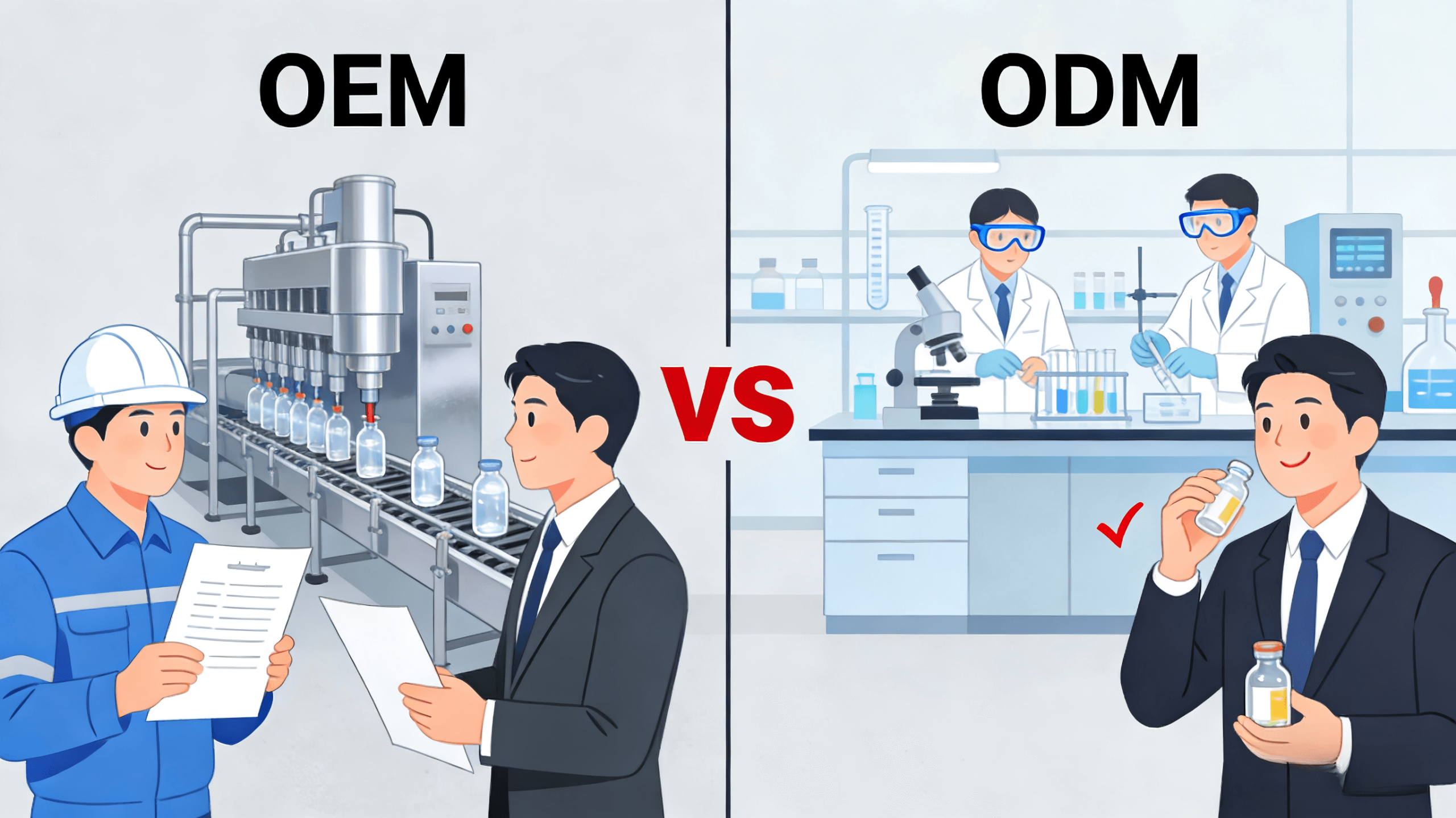
Choosing the right OEM manufacturer is a critical decision for any brand looking to launch or expand its product line. The right partner can help you bring high-quality products to market efficiently, while the wrong one can lead to delays, quality issues, and lost revenue. In this comprehensive guide, we’ll explore the key factors to consider when selecting an OEM manufacturer, from evaluating their capabilities to ensuring compliance with industry standards. By the end of this article, you’ll have the knowledge to make an informed decision that aligns with your brand’s goals and values.
Evaluate the Manufacturer’s Expertise and Experience
1.1 Industry-Specific Knowledge
When selecting an OEM manufacturer, it’s essential to choose one with expertise in your specific industry. For example, a manufacturer specializing in cosmetics will have a deep understanding of formulation, regulatory requirements, and consumer trends. Look for manufacturers with a proven track record in your niche, as this ensures they can handle the unique challenges of your product type. Ask for case studies or references from clients in similar industries to verify their expertise.
1.2 Years in Business and Reputation
The number of years a manufacturer has been in business is a good indicator of their stability and reliability. A long-standing manufacturer is more likely to have established processes, quality control systems, and relationships with suppliers. Additionally, check their reputation in the industry by reading reviews, testimonials, and industry reports. A manufacturer with a positive reputation is more likely to deliver on their promises and provide consistent quality.
Assess Manufacturing Capabilities
2.1 Production Capacity
Before partnering with an OEM manufacturer, it’s crucial to assess their production capacity. Can they handle your current order volume, and do they have the ability to scale as your business grows? Ask about their production lines, equipment, and lead times to ensure they can meet your deadlines. A manufacturer with limited capacity may struggle to fulfill large orders, leading to delays and lost sales.
2.2 Quality Control Processes
Quality control is non-negotiable when it comes to OEM manufacturing. A reputable manufacturer will have strict quality control processes in place to ensure every product meets your specifications. Ask about their testing procedures, certifications (such as ISO, GMP, or FDA), and how they handle defects. A manufacturer that prioritizes quality will help you avoid costly recalls and maintain your brand’s reputation.
Consider Regulatory Compliance
3.1 Adherence to Industry Standards
Different industries have specific regulatory requirements that manufacturers must follow. For example, cosmetic manufacturers must comply with FDA regulations in the United States, while medical device manufacturers must meet ISO 13485 standards. Ensure the manufacturer you choose is familiar with and adheres to the regulations in your target market. Ask for documentation of their compliance, such as certificates or audit reports.
3.2 Transparency in Compliance Practices
Transparency is key when it comes to regulatory compliance. A trustworthy manufacturer will be open about their compliance practices and willing to share information about their processes. Avoid manufacturers that are vague or evasive when asked about compliance, as this could indicate potential issues down the line. Choose a partner that values transparency and works with you to ensure your products meet all necessary regulations.
Evaluate Communication and Collaboration
4.1 Responsiveness and Accessibility
Effective communication is essential for a successful OEM partnership. The manufacturer should be responsive to your inquiries and provide regular updates on the progress of your order. Look for a manufacturer that assigns a dedicated account manager to your project, as this ensures you have a single point of contact for all questions and concerns. A manufacturer that is difficult to reach or slow to respond may cause delays and frustration.
4.2 Flexibility and Customization
Every brand has unique needs, so it’s important to choose a manufacturer that can accommodate your specific requirements. Whether you need custom packaging, formulation adjustments, or special labeling, the manufacturer should be willing to work with you to meet your needs. Ask about their ability to customize products and processes, and ensure they have the flexibility to adapt to changes in your project.
Analyze Cost and Value
5.1 Pricing Structure
While cost is an important factor, it’s not the only one to consider. A manufacturer with lower prices may cut corners on quality, leading to higher costs in the long run. Evaluate the manufacturer’s pricing structure to ensure it aligns with your budget and provides good value. Ask for a detailed quote that includes all costs, such as materials, labor, and shipping, to avoid unexpected expenses.
5.2 Total Cost of Ownership
When comparing manufacturers, consider the total cost of ownership, not just the initial price. This includes factors such as quality control costs, shipping costs, and potential delays. A slightly more expensive manufacturer may offer better quality, faster lead times, and fewer defects, resulting in lower overall costs. Calculate the total cost of ownership to make an informed decision that balances cost and value.
Check References and Case Studies
6.1 Client Testimonials
Client testimonials are a valuable source of information about a manufacturer’s performance. Ask the manufacturer for references from past clients and contact them to learn about their experience. Inquire about the manufacturer’s reliability, quality, communication, and ability to meet deadlines. Positive testimonials from satisfied clients are a good indicator of a manufacturer’s trustworthiness.
6.2 Case Studies of Similar Projects
Case studies provide detailed insights into a manufacturer’s capabilities and how they have helped other brands succeed. Look for case studies of projects similar to yours, as this will give you a better idea of how the manufacturer will handle your specific needs. A manufacturer with a proven track record of success in your industry is more likely to deliver the results you need.
Visit the Facility (If Possible)
7.1 On-Site Inspection
If possible, visit the manufacturer’s facility to see their operations firsthand. This will allow you to assess their production processes, quality control systems, and working conditions. During the visit, ask questions about their equipment, staff training, and safety protocols. A well-maintained facility with modern equipment and a clean working environment is a good sign of a reputable manufacturer.
7.2 Meeting the Team
Meeting the manufacturer’s team in person can help you build trust and establish a strong working relationship. Take the opportunity to meet the account manager, production team, and quality control staff. This will give you a better understanding of their expertise and commitment to your project. A team that is knowledgeable, friendly, and dedicated is more likely to provide excellent service.
Negotiate Terms and Contracts
8.1 Clear Contract Terms
Before finalizing your partnership, ensure that all terms are clearly outlined in a contract. The contract should include details such as pricing, lead times, quality standards, and dispute resolution processes. Review the contract carefully and ask for clarification on any terms you don’t understand. A clear contract will help prevent misunderstandings and protect both parties.
8.2 Flexibility for Future Changes
Business needs can change over time, so it’s important to choose a manufacturer that is flexible and willing to adapt. The contract should include provisions for changes in order volume, product specifications, and delivery schedules. A manufacturer that is open to renegotiating terms as your business grows will be a valuable long-term partner.
Plan for Long-Term Partnership
9.1 Building a Relationship
A successful OEM partnership is built on trust and communication. Take the time to build a relationship with the manufacturer’s team, and keep them informed of your business goals and plans. Regular communication will help ensure that both parties are aligned and working towards the same objectives. A strong relationship will also make it easier to address any issues that arise and find solutions together.
9.2 Continuous Improvement
The best OEM manufacturers are committed to continuous improvement. They invest in new technology, training, and processes to stay ahead of industry trends and meet the evolving needs of their clients. Choose a manufacturer that values innovation and is willing to work with you to improve your products and processes over time. This will help you stay competitive and grow your business.
Conclusion
Choosing the right OEM manufacturer is a critical decision that can impact the success of your brand. By evaluating the manufacturer’s expertise, capabilities, compliance, communication, cost, and references, you can make an informed decision that aligns with your business goals. Remember to prioritize quality, transparency, and long-term partnership when selecting a manufacturer. With the right partner, you can bring high-quality products to market efficiently and build a successful brand.