
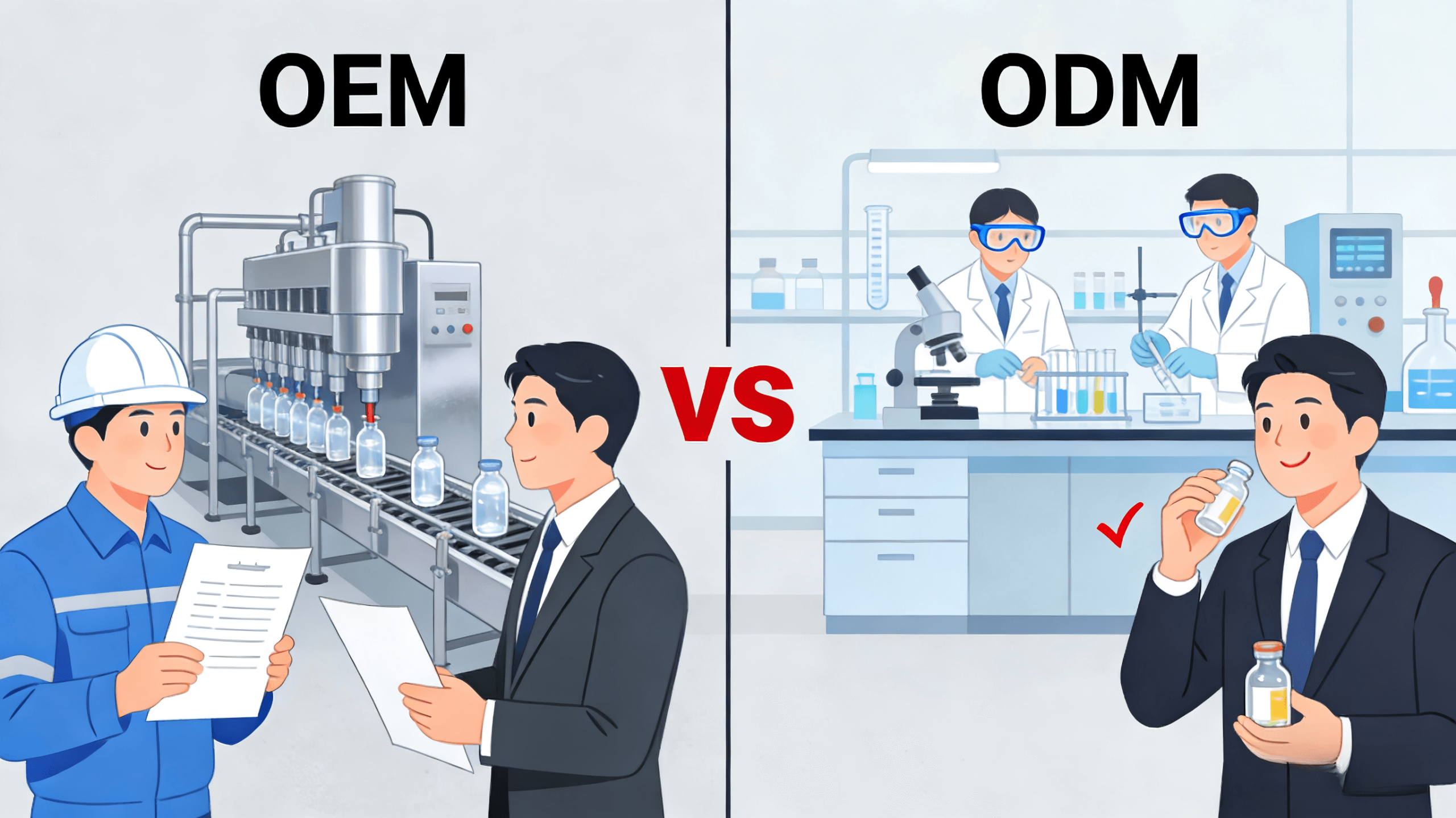
Understanding the China Cosmetics OEM Landscape
Key Benefits of Partnering with a China Cosmetics OEM
China’s cosmetics OEM industry has grown exponentially over the past decade, becoming a global hub for high-quality, cost-effective production. Partnering with a China cosmetics OEM offers several distinct advantages for brands looking to launch new products. First, the economies of scale in China allow for lower production costs without compromising on quality. Many OEM manufacturers in Guangzhou, for example, have state-of-the-art facilities that adhere to international standards like GMP and ISO. This ensures that products meet the strict regulatory requirements of markets such as the EU, US, and Southeast Asia.
Another key benefit is the speed to market. China’s OEM manufacturers have streamlined processes that can take a product from concept to production in a matter of weeks, not months. This agility is crucial in the fast-paced cosmetics industry, where trends change rapidly. Additionally, Chinese OEMs often provide comprehensive services beyond manufacturing, including product design, formulation development, and packaging solutions. This one-stop-shop approach reduces the need for brands to coordinate with multiple vendors, saving time and resources.
How to Choose the Right China Cosmetics OEM Partner
Selecting the right OEM partner is a critical decision that can make or break a product launch. When evaluating potential partners, brands should consider several factors. First, assess the manufacturer’s expertise in the specific product category. For example, a manufacturer specializing in skincare products may not be the best choice for color cosmetics. It’s also important to verify the manufacturer’s certifications and compliance with international regulations. Requesting samples of their previous work can help evaluate the quality of their products.
Communication is another key factor. Effective communication between the brand and the OEM is essential for ensuring that the final product meets the brand’s vision. Look for manufacturers with English-speaking staff or dedicated account managers who can bridge any language barriers. Additionally, consider the manufacturer’s capacity and lead times. A manufacturer with limited capacity may not be able to meet your production needs during peak periods. Finally, review the manufacturer’s portfolio of clients to gauge their experience working with international brands.
From Idea to Launch: A Step-by-Step Guide
Step 1: Defining Your Product Concept and Requirements
The first step in working with a China cosmetics OEM is to clearly define your product concept and requirements. Start by identifying your target market and the specific needs of your customers. This will help you determine the type of product you want to create, such as a moisturizer, serum, or lipstick. Next, outline the key features of your product, including its formulation, ingredients, packaging, and pricing. It’s important to be as detailed as possible to avoid misunderstandings later in the process.
Once you have a clear product concept, you can begin begin researching potential OEM partners. Use online directories, industry trade shows, and referrals from other brands to compile a list of manufacturers. Narrow down your list based on their expertise, certifications, and capacity. Contact each manufacturer to discuss your project and request a quote. Be sure to ask about their minimum order quantities (MOQs), lead times, and payment terms.
Step 2: Formulation Development and Testing
After selecting an OEM partner, the next step is formulation development. Work closely with the manufacturer’s R&D team to create a product that meets your specifications. Provide detailed information about the desired ingredients, texture, scent, and performance of the product. The manufacturer will then develop a prototype for your review. It’s important to test the prototype thoroughly to ensure it meets your quality standards and regulatory requirements.
Once the prototype is approved, the manufacturer will conduct stability testing to ensure the product has a long shelf life. They will also perform safety testing to ensure the product is safe for use. Depending on the target market, additional testing may be required, such as microbiological testing or compatibility testing with packaging materials. Be sure to review all test results and ask for clarification if you have any questions.
Step 3: Packaging Design and Branding
Packaging plays a crucial role in the success of a cosmetics product. It not only protects the product but also serves as a marketing tool to attract customers. Work with the OEM’s design team or a third-party designer to create packaging that reflects your brand identity and appeals to your target market. Consider factors such as the shape, color, and material of the packaging, as well as the labeling requirements of your target market.
Once the packaging design is finalized, the manufacturer will create a sample for your approval. Review the sample carefully to ensure it meets your expectations. Pay attention to details such as the print quality, color accuracy, and functionality of the packaging. If any changes are needed, communicate them to the manufacturer promptly to avoid delays in production.
Step 4: Production and Quality Control
Once the formulation and packaging are approved, the manufacturer will begin production. During this phase, it’s important to maintain regular communication with the manufacturer to monitor the progress of the production run. Ask for updates on the production schedule and any potential issues that may arise. The manufacturer should also provide you with a production timeline and a delivery date.
Quality control is a critical part of the production process. The manufacturer should have a comprehensive quality control system in place to ensure that every product meets your specifications. This may include inspecting raw materials, monitoring the production process, and testing finished products. Ask the manufacturer about their quality control procedures and request a copy of their quality control reports.
Step 5: Shipping and Logistics
After production is complete, the manufacturer will prepare the products for shipping. Work with the manufacturer to determine the best shipping method based on your budget and timeline. Options may include air freight, sea freight, or express courier. Be sure to factor in customs clearance and any import duties or taxes that may apply in your target market.
The manufacturer should provide you with all the necessary documentation for shipping, including a commercial invoice, packing list, and bill of lading. Review these documents carefully to ensure they are accurate. Once the products are shipped, track the shipment to ensure it arrives on time. If there are any delays or issues, contact the manufacturer immediately to resolve them.
Overcoming Common Challenges in Working with China Cosmetics OEMs
Language and Cultural Barriers
One of the most common challenges in working with China cosmetics OEMs is language and cultural barriers. Many manufacturers may not have English-speaking staff, which can lead to miscommunication and delays. To overcome this challenge, consider hiring a local interpreter or working with a manufacturer that has dedicated account managers who speak English. It’s also important to be patient and clear in your communication, avoiding jargon and technical terms that may be difficult to translate.
Cultural differences can also impact the working relationship. For example, Chinese business culture places a strong emphasis on building relationships and trust. Take the time to get to know your OEM partner and understand their business practices. This can help you build a strong, long-term relationship that benefits both parties.
Quality Control and Compliance
Ensuring quality control and compliance is another major challenge when working with China cosmetics OEMs. While many manufacturers adhere to international standards, some may cut corners to reduce costs. To mitigate this risk, conduct thorough due diligence before selecting a manufacturer. Verify their certifications and request samples of their previous work. During production, consider hiring a third-party quality control company to inspect the products before they are shipped.
Compliance with regulatory requirements is also essential. Different markets have different regulations regarding cosmetics products, such as ingredient restrictions and labeling requirements. Work with your OEM partner to ensure that your product meets all the necessary regulatory standards. This may involve testing the product in a certified laboratory or obtaining the required certifications.
Intellectual Property Protection
Protecting your intellectual property (IP) is a critical concern when working with China cosmetics OEMs. There have been cases of manufacturers copying product formulations or packaging designs without permission. To protect your IP, consider registering your trademarks and patents in China. You should also include a confidentiality clause in your contract with the manufacturer to prevent them from disclosing your trade secrets.
It’s also important to work with a reputable manufacturer that has a track record of respecting IP rights. Ask for references from other brands and check online reviews to gauge the manufacturer’s reputation. If possible, visit the manufacturer’s facility in person to assess their operations and ensure they have proper security measures in place to protect your IP.
Case Studies: Successful Product Launches with China Cosmetics OEMs
Case Study 1: A Startup Skincare Brand
A startup skincare brand based in the US wanted to launch a line of natural skincare products. They partnered with a China cosmetics OEM in Guangzhou that specialized in natural ingredients. The OEM helped the brand develop a unique formulation using organic ingredients and provided comprehensive packaging solutions. The product was launched successfully and quickly gained popularity among consumers. Within six months, the brand had expanded its product line and entered new markets.
Case Study 2: A Established Cosmetics Brand
An established cosmetics brand in Europe wanted to expand its product line to include a new range of color cosmetics. They partnered with a China cosmetics OEM that had extensive experience in color cosmetics production. The OEM worked closely with the brand’s design team to create packaging that reflected the brand’s identity. The product was launched in Europe and received positive reviews from consumers. The brand was able to increase its market share and generate significant revenue from the new product line.
Conclusion: Why China Cosmetics OEMs Are the Future of the Industry
China’s cosmetics OEM industry has come a long way in recent years, offering brands a cost-effective, high-quality solution for product development and manufacturing. With their state-of-the-art facilities, experienced R&D teams, and comprehensive services, China cosmetics OEMs are well-positioned to meet the growing demand for innovative cosmetics products. By following the steps outlined in this guide and overcoming common challenges, brands can successfully launch products with China cosmetics OEMs and achieve their business goals.
Whether you’re a startup looking to launch your first product or an established brand expanding your product line, working with a China cosmetics OEM can provide you with the competitive edge you need to succeed in the global cosmetics market. With the right partner and a clear strategy, you can turn your product idea into a successful reality.