
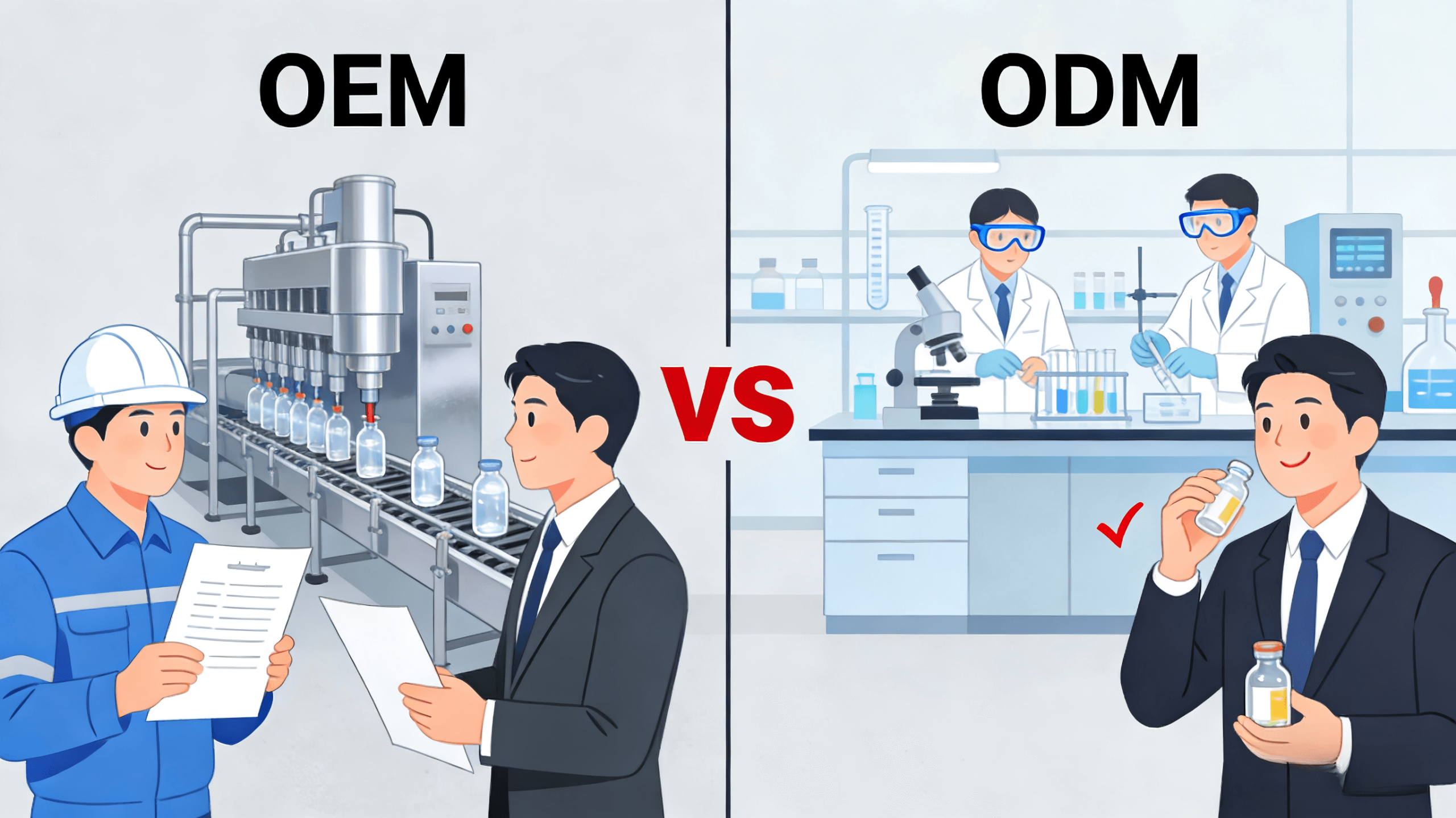
Introduction to Quality Control in China Cosmetics OEM Manufacturing
Quality control is the backbone of successful cosmetics OEM manufacturing in China. As global demand for high-quality beauty products continues to rise, Chinese manufacturers have developed rigorous quality control processes to meet international standards. This guide will explore the key components of a robust quality control system, from raw material inspection to final product testing, and explain how these processes ensure compliance with global regulations such as FDA, EU Cosmetics Regulation, and ISO standards.
Why Quality Control Matters in Cosmetics OEM
In the competitive cosmetics industry, quality control is not just a regulatory requirement—it’s a business imperative. Poor quality can lead to product recalls, damage to brand reputation, and legal liabilities. For Chinese OEM manufacturers, implementing a comprehensive quality control process helps build trust with international clients, differentiate their services, and ensure long-term success in the global market.
Key Regulations Governing Cosmetics Quality in China
China has strict regulations for cosmetics manufacturing, including the “Regulations on the Supervision and Administration of Cosmetics” (2021) and the “National Food and Drug Administration (NMPA)” guidelines. These regulations cover every aspect of production, from ingredient safety to labeling requirements. Additionally, Chinese manufacturers must comply with international standards such as ISO 22716 (Good Manufacturing Practices for cosmetics) and GMPC (Good Manufacturing Practice for Cosmetics) to export to global markets.
Raw Material Inspection: The First Line of Defense
Raw material inspection is the foundation of quality control in cosmetics OEM manufacturing. Chinese manufacturers typically source ingredients from both domestic and international suppliers, and each batch must undergo rigorous testing to ensure safety, purity, and compliance with specifications.
Ingredient Sourcing and Supplier Qualification
Reputable Chinese OEM manufacturers maintain a list of approved suppliers who meet strict quality standards. Suppliers are evaluated based on their production facilities, quality management systems, and compliance with international regulations. Before partnering with a new supplier, manufacturers conduct on-site audits and request samples for testing. This proactive approach helps prevent the use of substandard or contaminated ingredients.
Testing Methods for Raw Materials
Raw materials are tested for a variety of parameters, including microbiological contamination, heavy metal content, and chemical composition. Common tests include:
- Microbiological testing to detect bacteria, fungi, and yeast
- Heavy metal analysis (e.g., lead, mercury, arsenic) using atomic absorption spectroscopy
- Chemical analysis to verify the identity and purity of ingredients
- Stability testing to ensure ingredients remain effective over time
Only ingredients that pass all tests are approved for use in production.
Production Process Control: Ensuring Consistency and Safety
Once raw materials are approved, the production process itself must be closely monitored to ensure consistency and safety. Chinese OEM manufacturers use advanced technology and standardized procedures to minimize variability and reduce the risk of contamination.
Good Manufacturing Practices (GMP) in Cosmetics Production
GMP is a set of guidelines that ensure products are consistently produced and controlled according to quality standards. In China, cosmetics manufacturers must adhere to GMPC (Good Manufacturing Practice for Cosmetics), which covers:
- Facility design and maintenance
- Equipment calibration and cleaning
- Personnel training and hygiene
- Documentation and record-keeping
By following GMPC, manufacturers can ensure that every batch of products meets the same high standards.
Real-Time Monitoring and Process Optimization
Modern Chinese OEM facilities use real-time monitoring systems to track production parameters such as temperature, pH, and mixing speed. These systems alert operators to any deviations from the standard process, allowing for immediate corrective action. Additionally, manufacturers use data analytics to optimize production processes, reduce waste, and improve efficiency.
Finished Product Testing: Verifying Quality and Safety
After production, finished products undergo a series of tests to verify their quality, safety, and efficacy. These tests are designed to ensure that products meet all regulatory requirements and perform as intended.
Microbiological and Safety Testing
Finished products are tested for microbiological contamination, including bacteria, fungi, and yeast. They are also tested for safety, including skin irritation and sensitization. These tests are conducted in accordance with international standards such as ISO 10993 (Biological evaluation of medical devices) and OECD guidelines for skin irritation testing.
Stability and Performance Testing
Stability testing is critical to ensure that products remain effective and safe throughout their shelf life. Products are tested under various conditions, including temperature, humidity, and light exposure. Performance testing evaluates the product’s functionality, such as texture, spreadability, and efficacy. For example, a moisturizer may be tested for its ability to hydrate skin over time.
Quality Management Systems: Ensuring Continuous Improvement
A robust quality management system (QMS) is essential for maintaining consistent quality in cosmetics OEM manufacturing. Chinese manufacturers use QMS frameworks such as ISO 9001 to standardize processes, track performance, and drive continuous improvement.
Document Control and Traceability
Document control is a key component of QMS. Manufacturers maintain detailed records of every step of the production process, from raw material sourcing to finished product testing. These records allow for full traceability, meaning that any issues can be quickly identified and addressed. Traceability is particularly important in the event of a product recall, as it allows manufacturers to quickly locate and remove affected products from the market.
Continuous Improvement and Training
Chinese OEM manufacturers are committed to continuous improvement. They regularly review their quality control processes, gather feedback from clients and regulators, and implement changes to enhance quality. Additionally, employees receive ongoing training to ensure they are up-to-date with the latest regulations and best practices. This commitment to continuous improvement helps manufacturers stay ahead of the competition and meet the evolving needs of their clients.
Conclusion: The Importance of Quality Control in China Cosmetics OEM
Quality control is a critical component of successful cosmetics OEM manufacturing in China. By implementing rigorous processes for raw material inspection, production control, finished product testing, and quality management, Chinese manufacturers can produce high-quality products that meet international standards. This not only ensures compliance with regulations but also builds trust with clients and helps drive business growth. As the global demand for cosmetics continues to rise, Chinese OEM manufacturers that prioritize quality control will be well-positioned to succeed in the global market.
For more information on quality control processes in China cosmetics OEM manufacturing, visit our website: Quality Control Process in China Cosmetics OEM Manufacturing.