
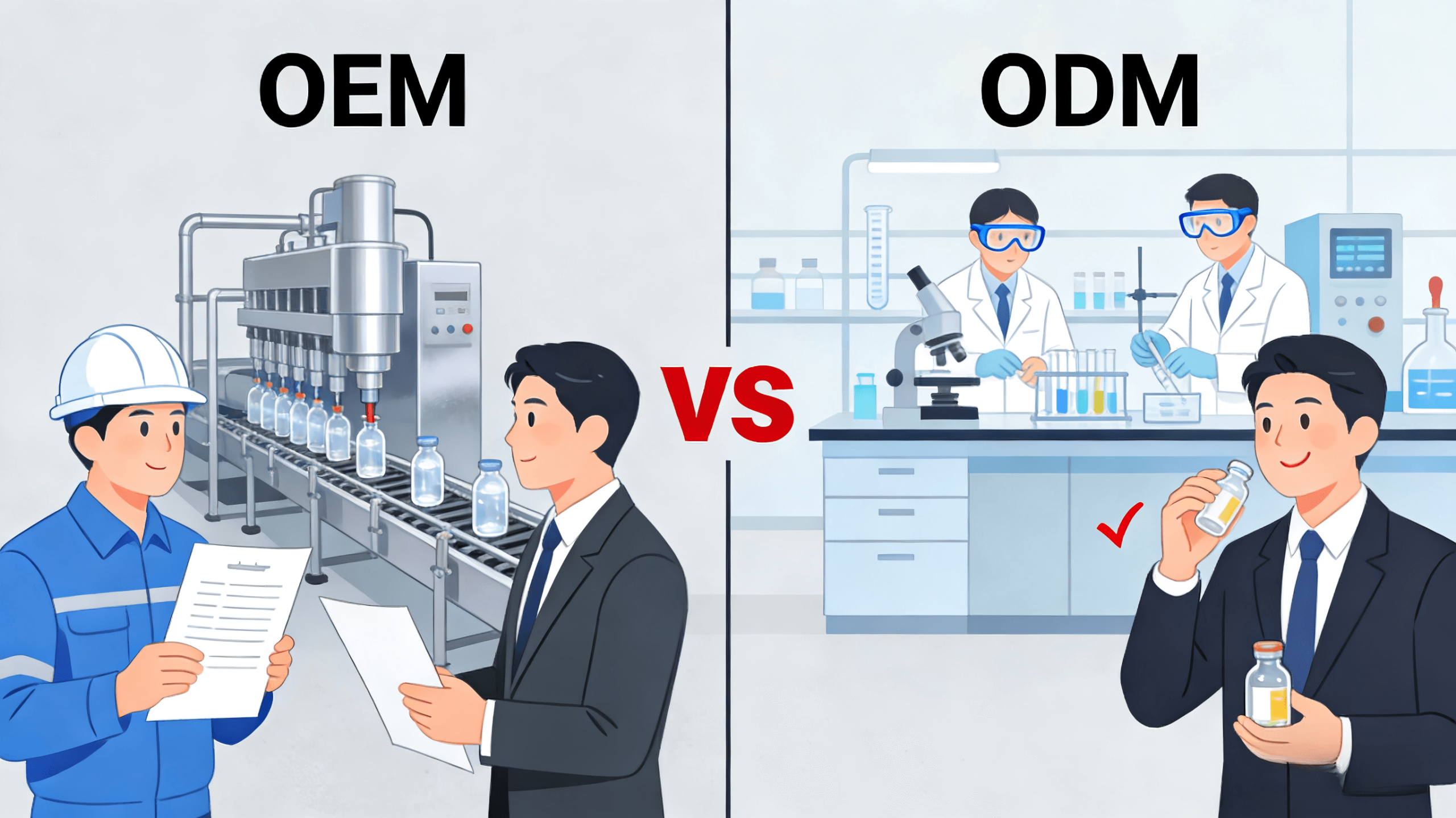
Introduction: Why Choosing the Right Cosmetics OEM Manufacturer Matters
The global cosmetics market is projected to reach $805 billion by 2025, with China accounting for over 18% of that growth. For brands looking to scale, partnering with a reliable cosmetics OEM manufacturer in China can be a game-changer. But with thousands of manufacturers operating in Guangzhou, Shanghai, and other industrial hubs, finding one that aligns with your quality standards, budget, and brand vision is no easy task.
In this guide, we’ll walk you through the critical steps to identify trustworthy partners, avoid common pitfalls, and build long-term relationships that drive your brand’s success. Whether you’re a startup launching your first product or an established brand expanding your line, these insights will help you make informed decisions.
1. Define Your Requirements Before Starting Your Search
Before you begin vetting manufacturers, it’s essential to have a clear understanding of your needs. This clarity will help you narrow down your options and avoid wasting time on unsuitable partners.
1.1 Product Specifications and Formulation Needs
Start by documenting your product details: skin type compatibility (e.g., sensitive, oily), active ingredients (e.g., hyaluronic acid, retinol), texture (e.g., cream, serum), and packaging preferences. For example, if you’re creating a vegan skincare line, you’ll need a manufacturer with expertise in plant-based formulations and cruelty-free practices.
1.2 Production Volume and Scalability
Consider your current and future production needs. Small-batch manufacturers (100–500 units) are ideal for startups testing the market, while large-scale facilities (10,000+ units) can support rapid growth. Ask potential partners about their minimum order quantities (MOQs) and lead times to ensure they can meet your timeline.
2. Research Potential Manufacturers
Once you’ve defined your requirements, it’s time to compile a list of potential partners. Use these strategies to find reputable manufacturers:
2.1 Leverage Industry Directories and Trade Shows
Platforms like Alibaba, Made-in-China, and Global Sources are great starting points, but don’t rely solely on online listings. Attend trade shows like the Canton Fair or Cosmoprof Asia to meet manufacturers in person, inspect their facilities, and assess their professionalism.
2.2 Check Certifications and Compliance
Reputable manufacturers will hold certifications such as GMP (Good Manufacturing Practices), ISO 22716 (cosmetics quality management), and FDA registration. These certifications ensure compliance with international safety standards and reduce the risk of product recalls.
3. Evaluate Manufacturer Capabilities
Not all manufacturers are created equal. Use these criteria to evaluate their suitability:
3.1 Quality Control Processes
Ask about their quality control (QC) protocols, including raw material testing, in-process inspections, and final product testing. A reliable manufacturer will provide detailed QC reports and allow you to audit their facilities.
3.2 Customization and R&D Support
If you need custom formulations, ensure the manufacturer has an in-house R&D team. They should be able to help you refine your product, test for stability, and comply with regulatory requirements.
4. Verify References and Past Work
Before making a decision, ask for references from past clients. Contact these clients to learn about their experience with the manufacturer, including communication, on-time delivery, and product quality.
4.1 Request Product Samples
Order samples of the manufacturer’s existing products to assess their quality. If possible, request a custom sample of your product to test its formulation, packaging, and performance.
4.2 Check Online Reviews and Ratings
Look for reviews on platforms like Google, Trustpilot, and industry forums. Pay attention to recurring complaints (e.g., delayed shipments, poor communication) and how the manufacturer responds to negative feedback.
5. Negotiate Terms and Finalize the Partnership
Once you’ve selected a manufacturer, it’s time to negotiate the terms of your partnership. Here’s what to include in your contract:
5.1 Pricing and Payment Terms
Clarify the cost per unit, payment schedule (e.g., 30% deposit, 70% on delivery), and any additional fees (e.g., tooling, shipping). Be wary of manufacturers that demand full payment upfront.
5.2 Intellectual Property Protection
Ensure your contract includes clauses to protect your brand’s intellectual property (IP), such as non-disclosure agreements (NDAs) and ownership of formulations. This prevents the manufacturer from sharing your product details with competitors.
Conclusion: Building a Long-Term Partnership
Finding a reliable cosmetics OEM manufacturer in China requires time and due diligence, but the effort is worth it. By following these steps, you’ll minimize risks, ensure product quality, and build a partnership that supports your brand’s growth.
Ready to take the next step? Contact us today to discuss your project and receive a free quote. Our team of experts will guide you through every stage of the manufacturing process, from formulation to delivery.
FAQs
Q1: How long does it take to manufacture a cosmetics product in China?
A: The timeline varies depending on the product complexity and order volume. Simple products like moisturizers may take 4–6 weeks, while custom formulations can take 8–12 weeks.
Q2: What is the minimum order quantity (MOQ) for cosmetics OEM in China?
A: MOQs typically range from 500 to 5,000 units, but some manufacturers offer lower MOQs for startups. Be sure to discuss this with potential partners.
Q3: How can I ensure my product meets international safety standards?
A: Choose a manufacturer with GMP and ISO 22716 certifications. Request third-party testing reports and audit their facilities to verify compliance.
Q4: Can I visit the manufacturer’s facility before placing an order?
A: Yes, most reputable manufacturers welcome factory visits. This is an excellent opportunity to inspect their production processes and meet the team.
Q5: What should I do if I’m not satisfied with the product quality?
A: Include a quality guarantee clause in your contract. Reputable manufacturers will offer refunds or replacements for defective products.
Call to Action
Request a free quote for your cosmetics project today.
Chat with our experts on WhatsApp to discuss your needs.
Download our free guide: “10 Mistakes to Avoid When Choosing a Cosmetics OEM Manufacturer.”
View our portfolio of past projects to see our work.
Subscribe to our newsletter for the latest industry insights and exclusive offers.
Remember, choosing the right manufacturer is critical to your brand’s success. Don’t rush the process—take the time to research, evaluate, and verify before making a decision. We’re here to help you every step of the way!