
Introduction to Cosmetics OEM in China
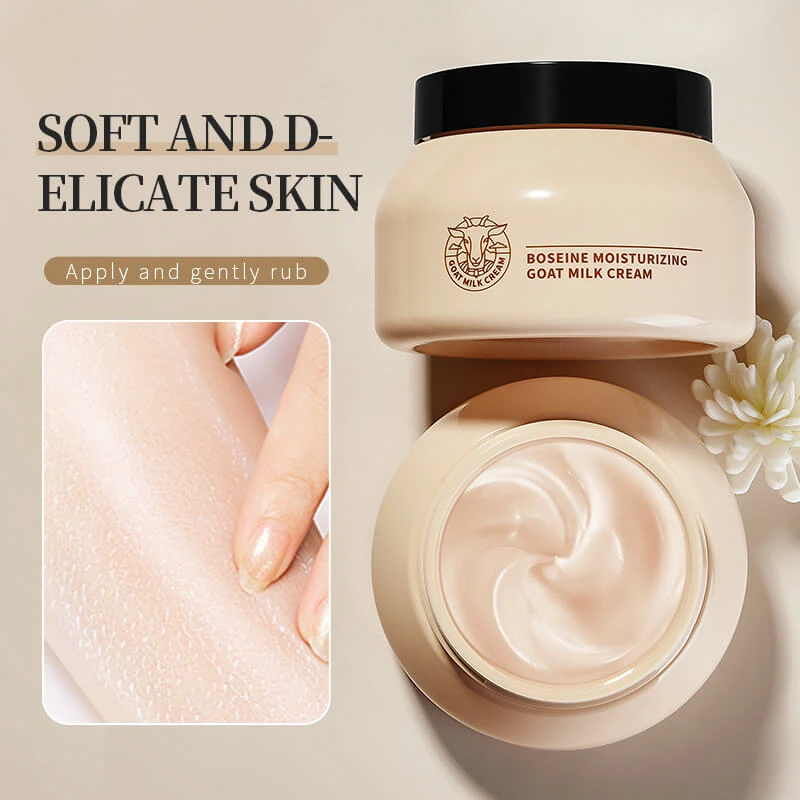
China has emerged as a global leader in cosmetics manufacturing, with over 5,000 registered OEM factories producing products for brands across North America, Europe, and Asia. The country’s competitive advantage lies in its advanced production technology, cost-effective supply chain, and strict quality control standards. For brands looking to launch or expand their product lines, understanding the Step-by-Step Cosmetics OEM Process in China is crucial to ensuring a smooth and successful partnership.
Why Choose Chinese Cosmetics OEM Manufacturers?
Chinese OEM manufacturers offer several key benefits that make them attractive to global brands:
Cost Efficiency: Labor and raw material costs in China are significantly lower compared to Western countries, allowing brands to produce high-quality products at competitive prices.
Technical Expertise: Many Chinese factories have state-of-the-art facilities and R&D teams that can develop innovative formulations and packaging solutions.
Scalability: From small-batch production to large-scale manufacturing, Chinese OEMs can accommodate varying order sizes to meet brand needs.
Regulatory Compliance: Reputable manufacturers adhere to international standards such as GMP (Good Manufacturing Practice) and ISO certifications, ensuring product safety and quality.
Key Considerations Before Starting the OEM Process
Before engaging with a Chinese OEM, brands should consider the following factors:
Product Requirements: Clearly define your product specifications, including ingredients, packaging, and target market.
Budget: Determine your budget for production, including raw materials, labor, and shipping costs.
Quality Standards: Ensure the manufacturer meets your quality requirements and has the necessary certifications.
Communication: Effective communication is essential to avoid misunderstandings and ensure the final product meets your expectations.
Step 1: Research and Select a Reputable OEM Partner
The first step in the Step-by-Step Cosmetics OEM Process in China is to find a reliable manufacturer. This involves thorough research and due diligence to ensure the partner aligns with your brand’s values and requirements.
How to Find the Right OEM Manufacturer
Online Platforms: Use B2B platforms like Alibaba, Made-in-China, or Global Sources to search for manufacturers. These platforms allow you to filter suppliers based on location, product type, and certifications.
Trade Shows: Attend industry trade shows such as the China International Beauty Expo (CIBE) to meet manufacturers in person and evaluate their capabilities.
Referrals: Ask for recommendations from other brands or industry professionals who have experience working with Chinese OEMs.
Background Checks: Verify the manufacturer’s business license, certifications, and customer reviews to ensure they are legitimate and reliable.
Evaluating Manufacturer Capabilities
Once you have shortlisted potential partners, evaluate their capabilities based on the following criteria:
Production Capacity: Ensure the manufacturer can handle your order volume and meet your delivery deadlines.
R&D Capabilities: Check if the manufacturer has an in-house R&D team to develop custom formulations or modify existing ones.
Quality Control: Inquire about their quality control processes, including testing procedures and compliance with international standards.
Communication: Assess the manufacturer’s English proficiency and responsiveness to ensure smooth communication throughout the process.
Step 2: Product Development and Formulation
After selecting an OEM partner, the next step is to develop your product formulation. This involves collaborating with the manufacturer’s R&D team to create a product that meets your specifications and target market needs.
Formulation Development Process
Product Brief: Provide the manufacturer with a detailed product brief, including desired ingredients, texture, fragrance, and functionality.
Sample Creation: The manufacturer will develop a prototype based on your brief. This may involve several rounds of sampling and feedback to refine the formulation.
Stability Testing: The prototype will undergo stability testing to ensure it remains effective and safe under various conditions (e.g., temperature, humidity).
Regulatory Compliance: Ensure the formulation complies with the regulations of your target market, such as the FDA in the U.S. or the EU Cosmetics Regulation.
Customization Options
Chinese OEMs offer a range of customization options to meet brand needs:
Ingredient Selection: Choose from a wide range of natural and synthetic ingredients to create unique formulations.
Packaging Design: Collaborate with the manufacturer’s design team to create custom packaging that reflects your brand identity.
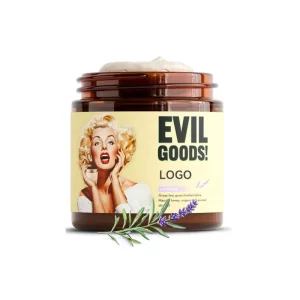
Private Labeling: Add your brand name, logo, and other branding elements to the product and packaging.
Step 3: Packaging and Labeling
Packaging and labeling are critical components of the Step-by-Step Cosmetics OEM Process in China as they directly impact product appeal and regulatory compliance.
Packaging Design and Material Selection
Design Concept: Work with the manufacturer’s design team to create packaging that aligns with your brand image and target market.
Material Selection: Choose from a variety of packaging materials, including glass, plastic, and aluminum, based on product type and sustainability goals.
Prototyping: The manufacturer will create a packaging prototype for your approval before mass production.
Labeling Requirements
Ensure your product labels comply with the regulations of your target market, including:
Ingredient List: List all ingredients in descending order of concentration.
Product Claims: Avoid false or misleading claims and ensure all claims are supported by scientific evidence.
Safety Information: Include warnings, usage instructions, and expiration dates.
Regulatory Symbols: Add required symbols such as the EU’s CE mark or the U.S. FDA logo.
Step 4: Production and Quality Control
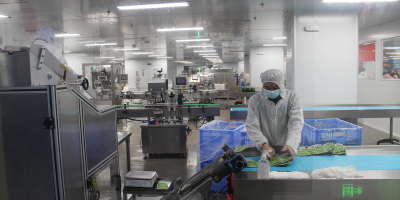
Once the formulation and packaging are finalized, the manufacturer will begin mass production. This step involves strict quality control measures to ensure the final product meets your specifications.
Production Process
Raw Material Preparation: The manufacturer will source and prepare the raw materials according to the formulation.
Mixing and Processing: The ingredients are mixed and processed using specialized equipment to create the final product.
Filling and Packaging: The product is filled into the packaging and sealed to ensure freshness and safety.
Quality Inspection: Each batch is inspected for quality, including appearance, texture, and functionality.
Quality Control Measures
Reputable OEMs implement the following quality control measures:
Incoming Raw Material Inspection: Test raw materials for purity and quality before production.
In-Process Testing: Monitor the production process to ensure consistency and compliance.
Final Product Testing: Conduct final tests on the finished product to ensure it meets all specifications and regulatory requirements.
Batch Records: Maintain detailed records of each production batch for traceability and quality assurance.
Step 5: Shipping and Logistics
After production is complete, the final step is to ship the products to your desired location. This involves coordinating with the manufacturer and logistics providers to ensure timely delivery.
Shipping Options
Air Freight: Fast but more expensive, suitable for small orders or urgent deliveries.
Sea Freight: Cost-effective for large orders, but takes longer to deliver.
Express Delivery: Ideal for samples or small shipments, with fast delivery times.
Customs and Documentation
Ensure you have all the necessary documentation for customs clearance, including:
Commercial Invoice: Details of the product, quantity, and value.
Packing List: List of items in each shipment.
Certificate of Origin: Proof that the product was manufactured in China.
Regulatory Certificates: Certifications such as GMP or ISO to demonstrate compliance with international standards.
How to Ensure a Successful OEM Partnership
To maximize the success of your Step-by-Step Cosmetics OEM Process in China, consider the following tips:
Establish Clear Communication
Maintain regular communication with your OEM partner to address any issues or concerns promptly.
Use clear and concise language to avoid misunderstandings, especially when discussing technical details.
Set Realistic Expectations
Be realistic about production timelines and costs, and factor in potential delays or unexpected expenses.
Clearly define your quality standards and expectations to ensure the final product meets your requirements.
Build a Long-Term Relationship
Treat your OEM partner as a long-term collaborator rather than a one-time supplier.
Provide feedback and support to help the manufacturer improve their processes and meet your evolving needs.
CTA Sections
Ready to Start Your Cosmetics OEM Journey in China?
If you’re ready to launch your cosmetics brand or expand your product line, our team of experts is here to help. We work with top-tier Chinese OEM manufacturers to deliver high-quality products that meet your specifications and budget. Contact us today via WhatsApp at +86 134 8026 8601 to discuss your project and get a free quote.
Need Help with Formulation or Packaging?
Our R&D team can help you develop custom formulations and packaging designs that stand out in the market. Whether you’re looking for natural ingredients, innovative textures, or sustainable packaging, we have the expertise to bring your vision to life. Reach out to us on WhatsApp at +86 134 8026 8601 to learn more about our services.
Want to Learn More About the OEM Process?
Download our free guide, “The Ultimate Guide to Cosmetics OEM in China,” to get detailed insights into the process, tips for choosing a manufacturer, and case studies of successful partnerships. Message us on WhatsApp at +86 134 8026 8601 to receive your copy.
Looking for a Reliable OEM Partner?
We have a network of trusted Chinese OEM manufacturers with proven track records in producing high-quality cosmetics. Let us connect you with the right partner for your brand. Contact us via WhatsApp at +86 134 8026 8601 to get started.
Have Questions About Regulatory Compliance?
Our team of regulatory experts can help you navigate the complex world of cosmetics regulations in your target market. From ingredient approvals to labeling requirements, we’ll ensure your product meets all necessary standards. Reach out to us on WhatsApp at +86 134 8026 8601 for personalized guidance.
Conclusion
The Step-by-Step Cosmetics OEM Process in China offers global brands a cost-effective and efficient way to produce high-quality cosmetics. By following these steps and working with a reputable OEM partner, you can bring your product ideas to life and succeed in the competitive cosmetics market. Remember to prioritize communication, quality control, and regulatory compliance to ensure a successful partnership.
If you’re ready to take the next step, contact us via WhatsApp at +86 134 8026 8601 to discuss your project and get started today!