
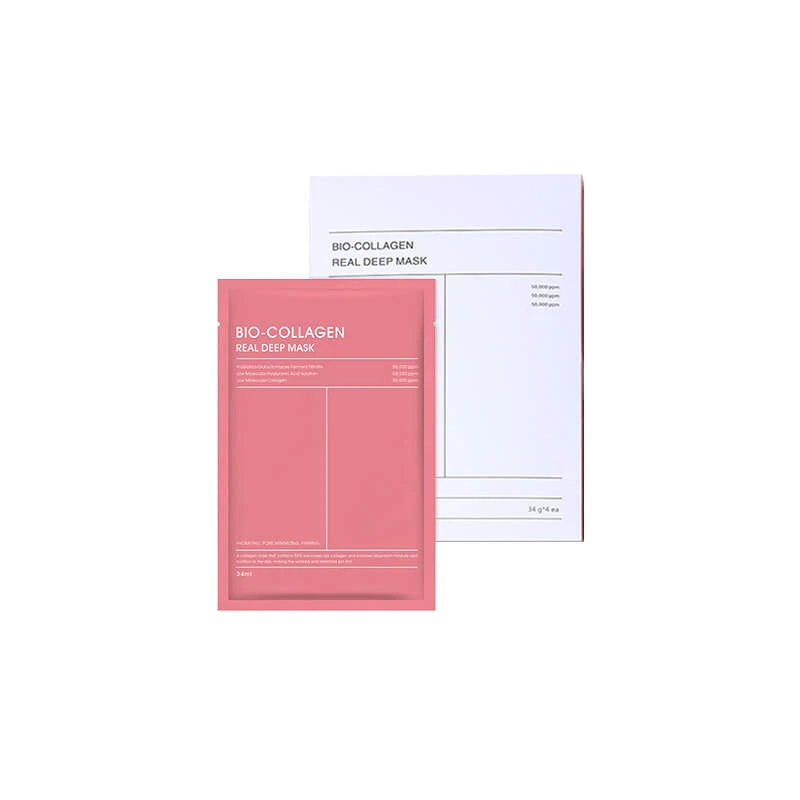
Understanding MOQ in Cosmetics Manufacturing
Minimum Order Quantity (MOQ) is a critical factor for brands looking to partner with Chinese cosmetics manufacturers. It refers to the smallest number of units a factory will produce for a single order, and it directly impacts cost, production timelines, and scalability. For brands entering the Chinese market, understanding MOQ for Cosmetics Manufacturing in China is essential to making informed decisions and avoiding costly mistakes.
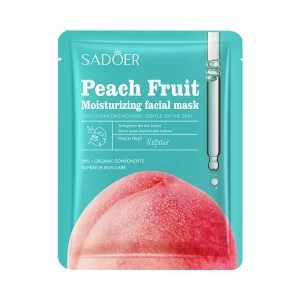
What is MOQ and Why Does It Matter?
MOQ is a standard practice in the cosmetics industry, designed to cover the fixed costs of production (e.g., raw materials, labor, and equipment setup). For Chinese manufacturers, MOQ ensures that production runs are economically viable, as small orders may not justify the time and resources required. For brands, MOQ affects:
Cost Efficiency: Higher MOQs often lead to lower per-unit costs, as manufacturers can leverage economies of scale.
Inventory Management: Smaller MOQs allow brands to test new products without overstocking, while larger MOQs require more storage space and capital.
Market Entry: Startups and small brands may struggle with high MOQs, limiting their ability to enter the market.
Factors That Influence MOQ in Chinese Cosmetics Factories
Several factors determine the MOQ set by Chinese cosmetics manufacturers:
Product Type: Complex products (e.g., skincare with active ingredients) typically have higher MOQs than simple products (e.g., lip balm).
Packaging: Custom packaging (e.g., unique bottles or boxes) may require higher MOQs due to mold and tooling costs.
Ingredient Sourcing: Rare or specialized ingredients may have minimum purchase quantities, increasing the overall MOQ.
Factory Capacity: Larger factories with higher production volumes may offer lower MOQs, while smaller factories may require larger orders to cover costs.
How to Negotiate MOQ with Chinese Cosmetics Manufacturers
Negotiating MOQ is a key skill for brands working with Chinese manufacturers. By understanding the factory’s constraints and leveraging your brand’s value, you can secure favorable terms.
Strategies for Lowering MOQ
Bulk Ingredient Purchasing: If you can source raw materials in bulk and provide them to the factory, you may be able to reduce the MOQ.
Standard Packaging: Opt for standard packaging options instead of custom designs to avoid high tooling costs.
Long-Term Partnership: Commit to a long-term contract with the factory, which may incentivize them to lower the MOQ.
Combine Orders: If you’re launching multiple products, combine them into a single order to meet the factory’s MOQ requirements.
Common Mistakes to Avoid During Negotiation
Unrealistic Expectations: Don’t demand MOQs that are far below the factory’s standard requirements, as this may damage the relationship.
Lack of Preparation: Failing to research the factory’s capabilities and MOQ policies before negotiations can lead to unfavorable terms.
Ignoring Hidden Costs: Lower MOQs may come with higher per-unit costs or additional fees, so be sure to factor these into your budget.
MOQ for Different Cosmetics Product Types
MOQ varies significantly depending on the type of cosmetic product. Here’s a breakdown of typical MOQs for common products:
Skincare Products
Serums: 500–2,000 units
Moisturizers: 1,000–3,000 units
Face Masks: 2,000–5,000 units
Cleansers: 1,500–4,000 units
Makeup Products
Foundation: 1,000–3,000 units
Lipstick: 500–2,000 units
Eyeshadow Palettes: 300–1,000 units
Mascara: 800–2,500 units
Haircare Products
Shampoo: 2,000–5,000 units
Conditioner: 2,000–5,000 units
Hair Masks: 1,500–4,000 units
How to Choose the Right MOQ for Your Brand
Selecting the right MOQ requires balancing your budget, market demand, and growth goals. Here’s a step-by-step guide to help you decide:
Assessing Your Brand’s Needs
Market Research: Analyze your target market to estimate demand for your product. Use tools like Google Trends or social media insights to gauge interest.
Budget Constraints: Determine how much capital you can allocate to inventory and production. Higher MOQs may require more upfront investment.
Growth Projections: Consider your brand’s growth plans. If you expect rapid growth, a higher MOQ may be more cost-effective in the long run.
Testing the Market with Small MOQs
Sample Orders: Start with a small MOQ to test the market and gather feedback from customers.
Limited Editions: Launch limited-edition products with small MOQs to generate buzz and assess demand.
Dropshipping: Partner with a dropshipping provider to sell products without holding inventory, allowing you to test the market with zero MOQ.
Case Studies: Successful MOQ Strategies in China
Learning from other brands’ experiences can help you navigate the MOQ landscape in China. Here are two case studies:
Case Study 1: Startup Brand with Low MOQ
A U.S.-based startup wanted to launch a line of natural skincare products but had a limited budget. They negotiated a MOQ of 500 units with a Chinese factory by:
Using standard packaging
Sourcing raw materials in bulk
Committing to a long-term partnership
The brand successfully launched their product, generated positive feedback, and later increased their MOQ to 2,000 units as demand grew.
Case Study 2: Established Brand with High MOQ
A European cosmetics brand wanted to expand their product line with a new serum. They opted for a MOQ of 3,000 units to take advantage of lower per-unit costs. The factory offered additional benefits, including free design services and faster production times, due to the larger order size.
CTA Sections
Ready to Discuss MOQ for Your Cosmetics Brand?
Our team of experts can help you navigate the MOQ landscape in China and find the right manufacturer for your needs. Whether you’re a startup or an established brand, we’ll work with you to negotiate favorable terms and ensure a smooth production process. Contact us today via WhatsApp at +86-123-4567-8901 to get started.
Need Help with Product Development?
If you’re unsure about your product’s MOQ requirements, our R&D team can help you refine your formulation and packaging to meet factory standards. We’ll also provide guidance on ingredient sourcing and regulatory compliance. Reach out to us on WhatsApp at ++86 134 8026 8601 to learn more.
Want to Learn More About Cosmetics Manufacturing in China?
Download our free guide, “The Ultimate Guide to Cosmetics Manufacturing in China,” to get detailed insights into MOQ, production processes, and quality control. Message us on WhatsApp at +86 134 8026 8601 to receive your copy.
Looking for a Reliable Cosmetics Manufacturer?
We have a network of trusted Chinese cosmetics manufacturers with flexible MOQ options and proven track records. Let us connect you with the right partner for your brand. Contact us via WhatsApp+86 134 8026 8601 to discuss your project.
Have Questions About MOQ Negotiation?
Our team has years of experience negotiating MOQ with Chinese manufacturers. We’ll provide personalized advice to help you secure the best terms for your brand. Reach out to us on WhatsApp at +86 134 8026 8601for a free consultation.
Conclusion
MOQ for Cosmetics Manufacturing in China is a critical factor that can make or break your brand’s success. By understanding the factors that influence MOQ, negotiating effectively with manufacturers, and choosing the right MOQ for your needs, you can minimize costs, reduce risk, and position your brand for growth. Remember to prioritize communication, research, and long-term partnerships to ensure a successful collaboration.
If you’re ready to take the next step, contact us via WhatsApp at+86 134 8026 8601 to discuss your project and get started today!