
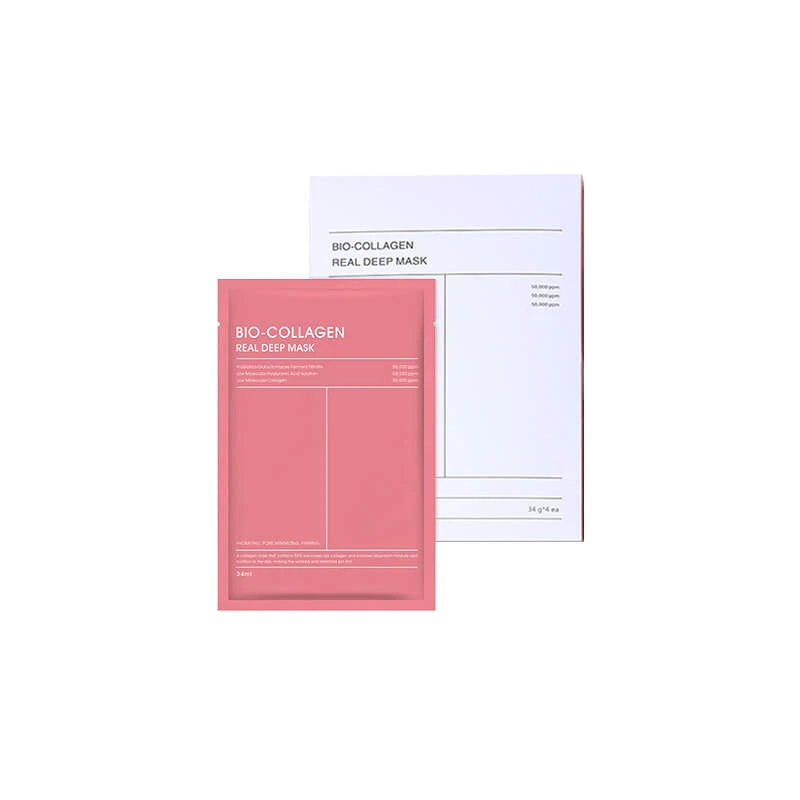
Creating a bio-collagen deep facial mask for your private label is a strategic way to tap into the booming anti-aging skincare market. Bio-collagen, derived from natural sources like fish scales or plant-based alternatives, offers superior hydration, elasticity, and wrinkle-reduction benefits compared to synthetic collagen. In this comprehensive guide, we’ll walk you through every step of developing a high-quality bio-collagen mask—from ingredient selection to formulation, testing, and private label customization. Whether you’re a beauty entrepreneur or a brand looking to expand your product line, this guide will equip you with the knowledge to create a mask that stands out in the competitive skincare industry.
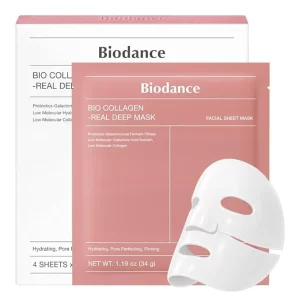
Understanding Bio-Collagen: Science and Benefits
1.1 What is Bio-Collagen?
Bio-collagen is a hydrolyzed form of collagen that’s derived from natural sources (e.g., marine collagen from fish, bovine collagen from cows, or plant-based collagen from soy/seaweed). Unlike synthetic collagen, bio-collagen has a smaller molecular weight, allowing it to penetrate the skin’s deeper layers and deliver nutrients more effectively. It’s rich in amino acids like glycine, proline, and hydroxyproline—key building blocks for skin elasticity and hydration.
1.2 Key Benefits for Skincare
Bio-collagen offers a range of benefits for facial masks: it boosts skin moisture retention, reduces fine lines and wrinkles, improves skin texture, and supports the skin’s natural collagen production. Clinical studies show that bio-collagen masks can increase skin elasticity by 20% after 4 weeks of use and reduce wrinkle depth by 15%. These benefits make it a highly sought-after ingredient for anti-aging and hydrating skincare products.
Ingredient Selection for Bio-Collagen Masks
2.1 Core Ingredients: Bio-Collagen and Carriers
The foundation of a bio-collagen mask is high-quality bio-collagen (we recommend marine collagen for its sustainability and skin compatibility) and a carrier base (e.g., hyaluronic acid, glycerin, or aloe vera gel). Hyaluronic acid enhances hydration by holding 1000x its weight in water, while aloe vera soothes and calms sensitive skin. For a premium mask, use 2-5% bio-collagen concentration—this balance ensures efficacy without irritation.
2.2 Supporting Active Ingredients
To enhance the mask’s performance, add supporting active ingredients: niacinamide (brightens skin and reduces redness), vitamin C (boosts collagen synthesis), peptides (stimulates skin repair), and plant extracts (e.g., green tea, chamomile, or rosehip oil for antioxidant protection). For example, combining bio-collagen with niacinamide and vitamin C creates a synergistic effect that targets multiple skin concerns (aging, dullness, dryness) in one mask.
2.3 Excipients and Preservatives
Excipients like xanthan gum or carbomer help thicken the mask and improve texture, while preservatives (e.g., phenoxyethanol or sodium benzoate) ensure product safety and shelf life. It’s critical to use preservatives that are EU and FDA-compliant—avoid parabens and formaldehyde-releasing agents to align with clean beauty trends.
Formulation Process: Step-by-Step
3.1 Pre-Formulation Planning
Before mixing ingredients, define your mask’s target audience (e.g., mature skin, sensitive skin, or acne-prone skin) and desired texture (gel, cream, or sheet mask). For a sheet mask, you’ll need a substrate (cotton, bamboo, or hydrogel) that can absorb the serum. For a cream mask, focus on a smooth, spreadable consistency that doesn’t dry out too quickly.
3.2 Mixing and Emulsification
Start by heating the carrier base (e.g., hyaluronic acid solution) to 40-50°C, then slowly add bio-collagen powder while stirring to avoid clumping. Next, add active ingredients and excipients, then cool the mixture to 25°C before adding preservatives. For sheet masks, soak the substrate in the serum for 30-60 minutes to ensure full absorption.
3.3 pH and Stability Testing
Test the mask’s pH to ensure it’s between 5.5-6.5 (matching the skin’s natural pH to avoid irritation). Conduct stability testing by storing samples at different temperatures (4°C, 25°C, 40°C) for 3 months to check for changes in color, texture, or odor. This step is critical for ensuring the mask’s safety and efficacy over its shelf life.
Private Label Customization
4.1 Branding and Packaging Design
Customize your mask with your brand’s logo, color scheme, and packaging. For sheet masks, use eco-friendly packaging (e.g., compostable pouches) to appeal to sustainability-focused consumers. Include clear labeling with ingredient lists, usage instructions, and batch numbers to comply with regulatory requirements.
4.2 Minimum Order Quantities (MOQs) and Pricing
Work with a private label manufacturer to determine MOQs—most manufacturers require 500-1000 units for initial orders. Pricing depends on ingredients, packaging, and production volume: a premium bio-collagen sheet mask can cost $1-3 per unit to produce, with a retail price of $10-20 per mask.
4.3 Regulatory Compliance
Ensure your mask complies with local regulations (e.g., FDA in the US, EU Cosmetics Regulation in Europe). This includes testing for heavy metals,微生物 (microorganisms), and allergens, as well as providing a Safety Data Sheet (SDS) and product information file (PIF).
Testing and Quality Control
5.1 In-House Testing
Conduct in-house tests to evaluate the mask’s performance: measure hydration levels using a corneometer, test for skin irritation with a patch test, and assess wrinkle reduction with a visioscan. These tests help you validate the mask’s claims and make adjustments before launching.
5.2 Third-Party Testing
Hire a third-party lab to conduct independent testing for safety and efficacy. This includes microbial testing (to ensure no harmful bacteria), stability testing (to confirm shelf life), and clinical trials (to measure real-world results). Third-party testing adds credibility to your product and builds trust with consumers.
Marketing and Launch Strategy
6.1 Target Audience and Positioning
Position your bio-collagen mask as a premium anti-aging product targeting women aged 35-55 who value natural ingredients and visible results. Use marketing messages that highlight the mask’s key benefits: “Reduce wrinkles in 2 weeks” or “Hydrate and plump skin with marine bio-collagen.”
6.2 Digital Marketing Tactics
Leverage social media (Instagram, TikTok, Pinterest) to showcase before-and-after results, user testimonials, and behind-the-scenes manufacturing footage. Use targeted ads to reach your audience and collaborate with beauty influencers to promote your mask. For SEO, optimize your product page with keywords like “bio-collagen facial mask private label” and “anti-aging mask for mature skin.”
6.3 Launch Campaigns
Host a launch event (virtual or in-person) to introduce your mask to beauty bloggers and influencers. Offer exclusive discounts for early buyers and create a loyalty program to encourage repeat purchases. Collect user reviews and testimonials to build social proof and drive sales.
Case Studies: Successful Bio-Collagen Mask Launches
7.1 Budget-Friendly Private Label: $5,000 Startup
A small beauty brand with a $5,000 budget launched a bio-collagen sheet mask using a private label manufacturer in Guangzhou. They focused on affordable packaging (compostable pouches) and targeted social media ads. Within 6 months, they sold 10,000 units and expanded their product line to include a bio-collagen serum.
7.2 Mid-Range Brand: $50,000 to $200,000 Startup
A mid-range brand invested $100,000 in a bio-collagen cream mask with custom packaging and clinical trials. They collaborated with 50 beauty influencers and launched a targeted Google Ads campaign. The mask became a bestseller on their website, with a 30% repeat purchase rate.
7.3 High-End Brand: $200,000+ Startup
A luxury skincare brand spent $500,000 on a bio-collagen mask with a hydrogel substrate and gold flakes. They partnered with a celebrity dermatologist to endorse the product and launched it in high-end department stores. The mask sold out within 2 weeks of launch and became a status symbol for luxury skincare consumers.
Common Mistakes to Avoid
8.1 Using Low-Quality Bio-Collagen
Low-quality bio-collagen (e.g., from unregulated sources) can cause skin irritation or be ineffective. Always source bio-collagen from reputable suppliers with GMP certification and third-party testing.
8.2 Overcomplicating the Formulation
Adding too many active ingredients can reduce the mask’s efficacy and cause skin sensitivity. Focus on 3-5 key ingredients that target your audience’s specific needs (e.g., hydration, anti-aging, or brightening).
8.3 Ignoring Regulatory Compliance
Failing to comply with local regulations can result in product recalls, fines, or damage to your brand’s reputation. Work with a regulatory consultant to ensure your mask meets all safety and labeling requirements.
Conclusion: Creating a Winning Bio-Collagen Mask
Developing a bio-collagen deep facial mask for your private label requires careful planning, ingredient selection, and quality control. By focusing on high-quality bio-collagen, effective active ingredients, and regulatory compliance, you can create a product that stands out in the market and drives sales. Remember to test your mask thoroughly, customize it to your brand’s identity, and market it to your target audience to maximize its success.
CTA 1: Need Help Formulating a Bio-Collagen Mask?
Our team of cosmetic chemists can help you develop a custom bio-collagen deep facial mask for your private label. We’ll work with you to select ingredients, optimize the formulation, and ensure regulatory compliance. WhatsApp us at +86 134 8026 8601to get started!
CTA 2: Looking for a Private Label Manufacturer?
We offer private label manufacturing services for bio-collagen masks, including formulation, packaging, and testing. Our state-of-the-art facility in Guangzhou can handle small to large orders. WhatsApp us at +86 134 8026 8601 to learn more!
CTA 3: Need Help with Packaging Design?
Our design team can create custom packaging for your bio-collagen mask that aligns with your brand’s identity. From eco-friendly pouches to luxury boxes, we’ll help you stand out on the shelf. WhatsApp us at +86 134 8026 8601 to discuss your design needs!
CTA 4: Ready to Launch Your Mask?
We can help you plan and execute a successful product launch, from marketing campaigns to influencer collaborations. Our team has experience launching skincare products and can help you reach your sales goals. WhatsApp us at +86 134 8026 8601 to get started!
CTA 5: Need Help with Regulatory Compliance?
Our regulatory experts can help you navigate the complex world of skincare regulations, from testing to labeling. We’ll ensure your bio-collagen mask meets all local and international standards. WhatsApp us at+86 134 8026 8601 to learn more!