
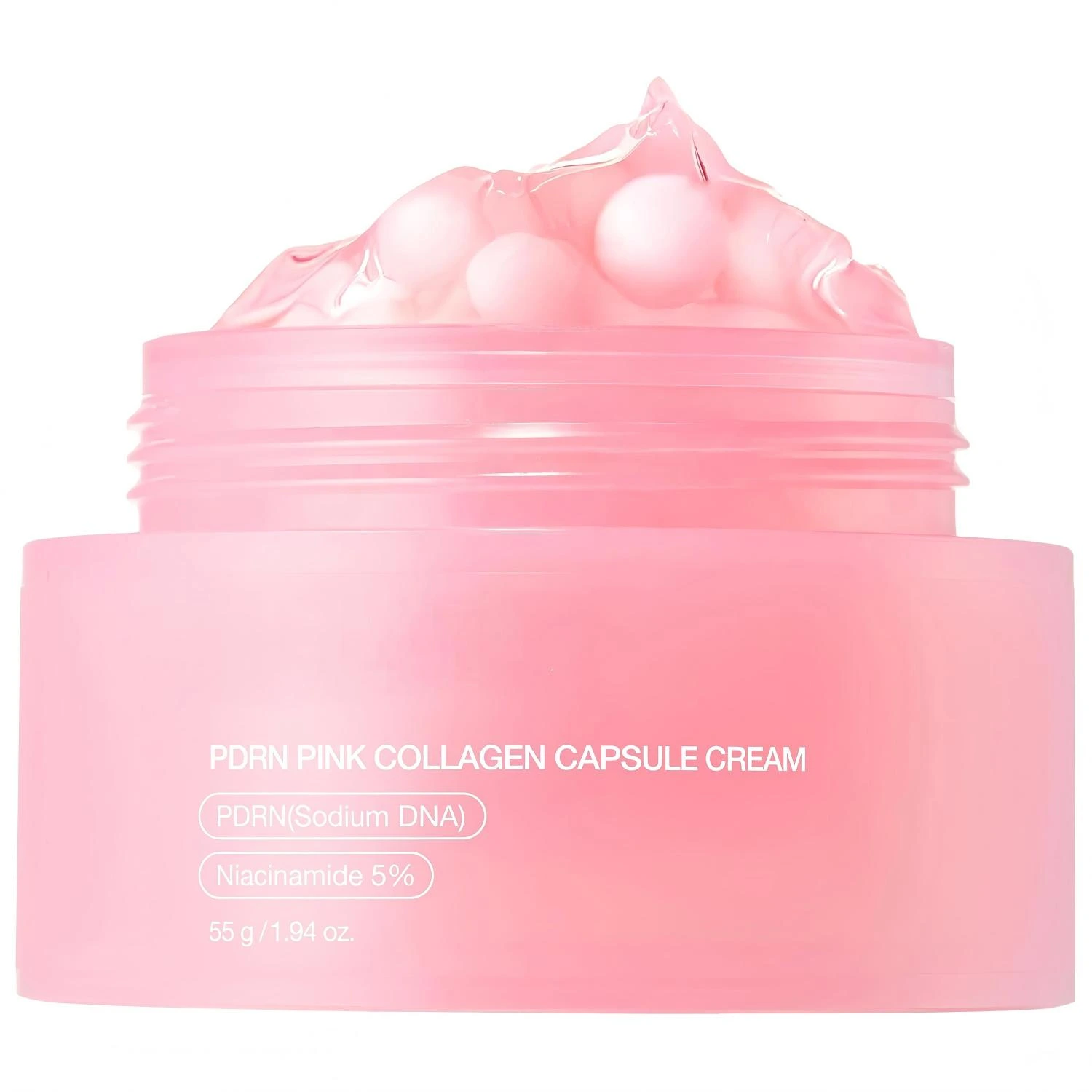
Why Global Brands Choose China Cosmetics Manufacturers
The Rise of China as a Cosmetics Manufacturing Hub
Historical Evolution of China’s Cosmetics Industry
China’s cosmetics manufacturing industry has undergone a remarkable transformation over the past three decades. From a small-scale, local-focused sector in the 1990s to a global powerhouse today, the industry has evolved to meet international standards of quality, innovation, and sustainability. Key milestones include the entry of international brands in the early 2000s, the implementation of strict regulatory frameworks (such as the China Food and Drug Administration’s cosmetic regulations), and the rise of domestic OEM/ODM manufacturers that now serve clients worldwide.
Current Market Size and Global Influence
China’s cosmetics market is the second-largest in the world, with a value exceeding $80 billion in 2023. The manufacturing sector contributes significantly to this growth, with over 5,000 registered cosmetic manufacturers producing products for both domestic and international brands. Chinese manufacturers now supply to 60% of global cosmetic brands, ranging from mass-market labels to luxury names, thanks to their ability to combine cost efficiency with high-quality production.
Key Reasons Global Brands Choose China Cosmetics Manufacturers
Cost-Effectiveness Without Compromising Quality
One of the primary reasons global brands partner with Chinese manufacturers is the optimal balance between cost and quality. China’s well-established supply chain, economies of scale, and skilled labor force allow manufacturers to produce high-quality products at a fraction of the cost compared to Western countries. For example, a 50ml facial serum that costs $15 to produce in the U.S. can be manufactured in China for $5, without sacrificing ingredient quality or production standards.
Advanced Manufacturing Technology and Innovation
Chinese cosmetics manufacturers have invested heavily in cutting-edge technology, including AI-driven formulation tools, automated production lines, and advanced testing equipment. Many facilities are certified by international standards such as ISO 22716 (Good Manufacturing Practices for cosmetics) and GMP (Good Manufacturing Practices), ensuring compliance with global regulatory requirements. Innovation in areas like natural ingredient extraction, sustainable packaging, and personalized skincare has further solidified China’s position as a leader in cosmetic manufacturing.
Flexible Production Capabilities
Chinese manufacturers offer unparalleled flexibility in production, catering to both small-batch custom orders and large-scale mass production. This is particularly beneficial for emerging brands that need to test new products without committing to high minimum order quantities (MOQs). For example, a startup brand can order 500 units of a new lipstick to test market demand, while a established brand can place an order for 100,000 units to meet global distribution needs.
Comprehensive Supply Chain Integration
China’s cosmetics manufacturing sector benefits from a fully integrated supply chain, from raw material sourcing to final product delivery. Many manufacturers have in-house R&D teams, packaging design departments, and logistics services, allowing brands to streamline their production process and reduce lead times. This integration also ensures greater control over quality and consistency, as all stages of production are managed under one roof.
Regulatory Compliance and Quality Assurance
Adherence to International Standards
Chinese cosmetics manufacturers are required to comply with a range of international regulations, including the EU Cosmetics Regulation (EC 1223/2009), the U.S. FDA’s cosmetic labeling requirements, and Japan’s Pharmaceutical and Medical Device Act. Many manufacturers also hold certifications such as ISO 9001 (quality management) and ISO 14001 (environmental management), demonstrating their commitment to meeting global standards.
Strict Quality Control Measures
Quality control is a top priority for Chinese cosmetics manufacturers. Most facilities have dedicated quality control teams that conduct rigorous testing at every stage of production, from raw material inspection to final product analysis. This includes testing for heavy metals,微生物 contamination (microbial contamination), and ingredient potency, ensuring that products are safe and effective for consumers.
Case Studies: Global Brands That Partnered with Chinese Manufacturers
Case Study 1: A European Luxury Skincare Brand
A leading European luxury skincare brand wanted to expand its product line to include a range of natural, organic serums. They partnered with a Chinese OEM manufacturer specializing in organic cosmetics. The manufacturer developed a unique formulation using traditional Chinese herbal ingredients, designed custom packaging, and ensured compliance with EU regulations. The product line was a success, with sales increasing by 30% in the first year.
Case Study 2: A U.S. Mass-Market Makeup Brand
A popular U.S. mass-market makeup brand needed to reduce production costs while maintaining product quality. They collaborated with a Chinese ODM manufacturer that offered competitive pricing and fast turnaround times. The manufacturer produced a range of affordable lipsticks and eyeshadows, which were sold in major U.S. retailers. The partnership resulted in a 25% reduction in production costs and a 15% increase in profit margins.
How to Choose the Right Chinese Cosmetics Manufacturer
Factors to Consider When Selecting a Partner
Certifications and Compliance: Ensure the manufacturer holds relevant certifications (e.g., ISO 22716, GMP) and complies with international regulations.
Production Capacity: Evaluate the manufacturer’s ability to meet your production volume requirements, both now and in the future.
R&D Capabilities: Look for manufacturers with in-house R&D teams that can help develop custom formulations and innovative products.
Communication and Transparency: Choose a manufacturer that provides clear communication and transparent pricing, with no hidden fees.
Sustainability Practices: Consider manufacturers that prioritize sustainable practices, such as using eco-friendly packaging and reducing carbon emissions.
Questions to Ask Potential Manufacturers
What certifications do you hold?
Can you provide references from international clients?
What is your minimum order quantity (MOQ)?
How do you ensure product quality and consistency?
What is your lead time for production and delivery?
Trends Shaping China’s Cosmetics Manufacturing Industry
Sustainability and Eco-Friendly Practices
Consumers are increasingly demanding sustainable cosmetic products, and Chinese manufacturers are responding by adopting eco-friendly practices. This includes using renewable raw materials, reducing packaging waste, and implementing energy-efficient production processes. Many manufacturers now offer “green” formulations and packaging options, such as biodegradable containers and recycled materials.
Personalization and Customization
The rise of personalized beauty has led to an increase in custom manufacturing solutions. Chinese manufacturers are offering tailored formulations based on individual skin types, preferences, and concerns. This trend allows brands to differentiate themselves in a competitive market and cater to niche consumer segments.
Digitalization and Smart Manufacturing
Digitalization is transforming the cosmetics manufacturing industry, with Chinese manufacturers leading the way in smart manufacturing. This includes using AI and machine learning to optimize production processes, track inventory in real-time, and predict consumer trends. Smart factories are also equipped with sensors and IoT devices to monitor production quality and efficiency.
Challenges and Solutions for Global Brands Working with Chinese Manufacturers
Language and Cultural Barriers
One of the main challenges for global brands is overcoming language and cultural barriers. To address this, many Chinese manufacturers have dedicated international sales teams that speak multiple languages and understand Western business practices. Brands can also work with local agents or consultants to facilitate communication and ensure smooth collaboration.
Intellectual Property Protection
Intellectual property (IP) protection is a concern for many global brands when working with Chinese manufacturers. To mitigate this risk, brands should sign non-disclosure agreements (NDAs) and register their trademarks and patents in China. They should also work with manufacturers that have a proven track record of respecting IP rights.
Supply Chain Disruptions
Supply chain disruptions, such as raw material shortages or transportation delays, can impact production timelines and costs. Chinese manufacturers have responded by diversifying their supply chains and investing in local raw material sourcing. Brands can also work with manufacturers that have multiple production facilities to reduce the risk of disruptions.
Conclusion
China’s cosmetics manufacturing industry has emerged as a global leader, offering global brands a unique combination of cost efficiency, advanced technology, and flexible production capabilities. By partnering with the right Chinese manufacturer, brands can access high-quality products, innovative solutions, and a fully integrated supply chain. As the industry continues to evolve, staying informed about trends and best practices will be key to success.
Ready to Partner with a Chinese Cosmetics Manufacturer?
If you’re a global brand looking to expand your product line or reduce production costs, contact us today to discuss your requirements. Our team of experts will connect you with the right Chinese manufacturer to meet your needs.
Have Questions About Working with Chinese Manufacturers?
If you have any questions about partnering with Chinese cosmetics manufacturers, feel free to reach out to us. Our knowledgeable team is here to help you make informed decisions and achieve your business goals.
Want to Learn More About Our Manufacturing Services?
Visit our website to learn more about our cosmetics manufacturing services, including formulation development, packaging design, and regulatory compliance. We offer customized solutions to meet your unique needs.
Let’s Collaborate!
We’re always looking for new partners to collaborate with. If you’re interested in working with us, send us a message or give us a call. We’d love to hear from you!
Get in Touch Today!
Don’t wait to start your partnership with a Chinese cosmetics manufacturer. Contact us now to schedule a consultation and take the first step towards growing your brand.
WhatsApp: +86 134 8026 8601