
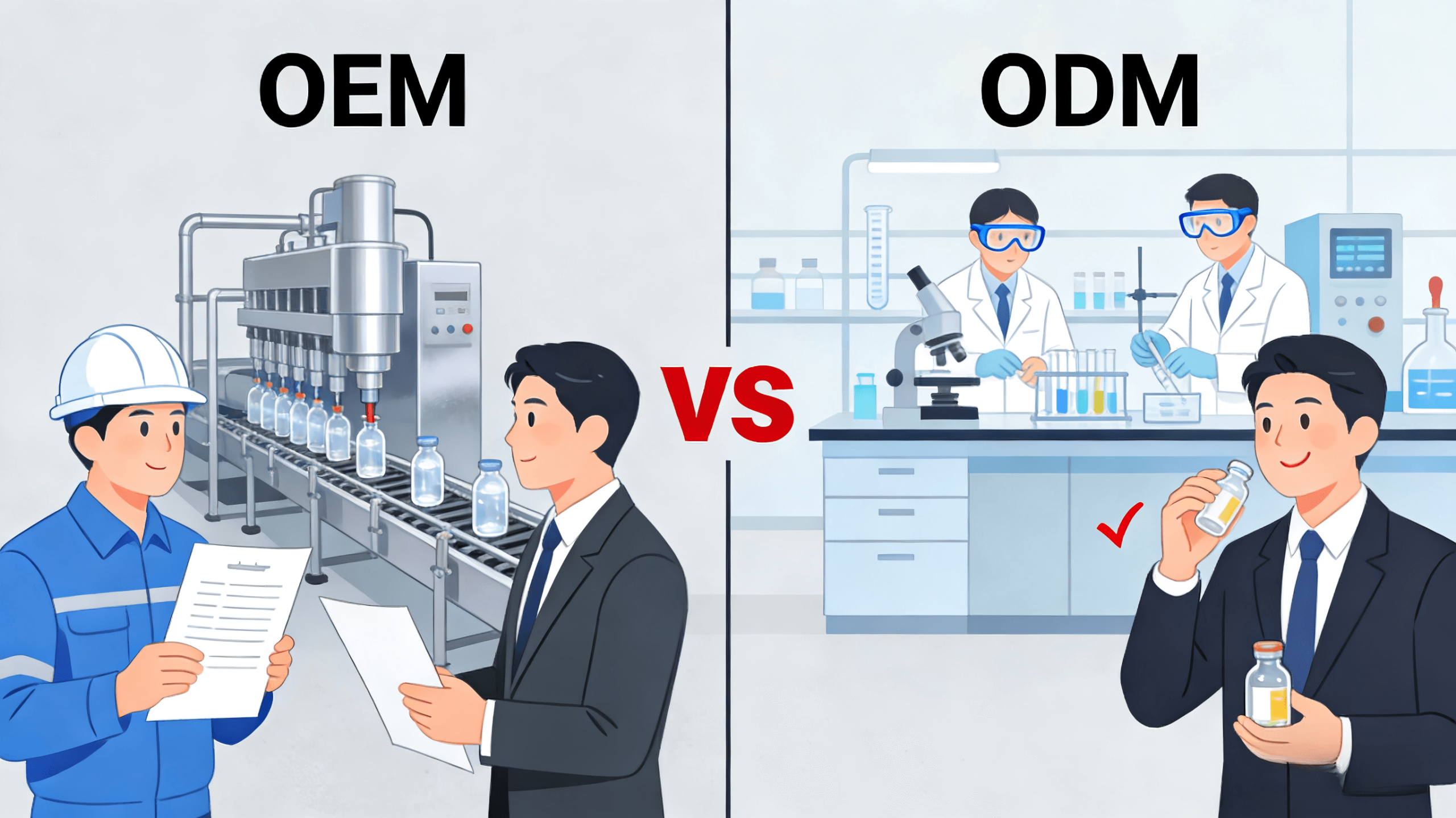
 A comparison of cosmetics OEM and ODM manufacturing processes, highlighting key differences for startup brands
Low MOQ Cosmetics OEM Manufacturer in China for Startup Brands: A Comprehensive Guide
For startup beauty brands, finding a reliable low MOQ (Minimum Order Quantity) cosmetics OEM manufacturer in China is a critical step toward launching a successful product line. China’s cosmetics manufacturing industry is renowned for its cost-effectiveness, advanced technology, and flexibility—making it an ideal choice for startups looking to test the market without large upfront investments. This guide will walk you through everything you need to know about choosing a low MOQ cosmetics OEM manufacturer in China, from understanding key terms to negotiating contracts and ensuring product quality.
Understanding Low MOQ Cosmetics OEM Manufacturing
1.1 What is Low MOQ Cosmetics OEM?
Low MOQ cosmetics OEM (Original Equipment Manufacturing) refers to a manufacturing model where brands can produce small batches of cosmetics (typically 500–5,000 units) without committing to large order quantities. This is particularly beneficial for startup brands that want to test product viability, minimize risk, and adapt to market feedback quickly. We’ll explain how low MOQ OEM works, including the difference between OEM and ODM (Original Design Manufacturing) and why low MOQ is a game-changer for startups.
1.2 Benefits of Low MOQ for Startup Brands
Low MOQ manufacturing offers several advantages for startup brands, including reduced financial risk, faster time-to-market, and the ability to iterate products based on customer feedback. For example, a startup can launch a small batch of a new serum, gather user reviews, and adjust the formula before scaling up. We’ll discuss how low MOQ helps startups conserve capital, test multiple product variations, and build brand loyalty.
Key Factors to Consider When Choosing a Low MOQ Cosmetics OEM Manufacturer
2.1 Manufacturing Capabilities and Product Range
When evaluating a low MOQ cosmetics OEM manufacturer, it’s essential to assess their manufacturing capabilities and product range. Look for manufacturers that specialize in your product type (e.g., skincare, makeup, hair care) and have experience with low-volume production. We’ll provide a checklist of questions to ask manufacturers, such as their production capacity, equipment quality, and ability to handle custom formulas.
2.2 Quality Control and Certifications
Quality control is non-negotiable when it comes to cosmetics manufacturing. Ensure the manufacturer has strict quality control processes, including raw material testing, in-process inspections, and final product testing. Look for certifications like GMP (Good Manufacturing Practice), ISO 22716, and FDA registration to ensure compliance with international standards. We’ll explain how to verify these certifications and what to look for in a quality control report.
How to Find a Reliable Low MOQ Cosmetics OEM Manufacturer in China
3.1 Researching and Shortlisting Manufacturers
Start by researching potential manufacturers online, using platforms like Alibaba, Made-in-China, and industry trade shows. Shortlist manufacturers based on their reviews, portfolio, and responsiveness. We’ll discuss how to use filters (e.g., MOQ, product type, certifications) to narrow down your options and avoid scams.
3.2 Evaluating Manufacturer Credibility
Once you’ve shortlisted manufacturers, evaluate their credibility by checking their business licenses, factory photos, and customer testimonials. Consider visiting the factory in person or scheduling a virtual tour to assess their facilities and production processes. We’ll provide tips for verifying a manufacturer’s legitimacy and avoiding common pitfalls.
Negotiating with Low MOQ Cosmetics OEM Manufacturers
4.1 Understanding Pricing and Cost Structure
Pricing for low MOQ cosmetics OEM varies based on factors like product type, ingredients, packaging, and order quantity. Understand the cost structure, including raw material costs, labor costs, packaging costs, and shipping fees. We’ll explain how to negotiate pricing and avoid hidden charges, such as mold fees or design fees.
4.2 Negotiating Terms and Conditions
Negotiate terms and conditions like payment terms, delivery time, and return policies. For example, you may want to request a 50% deposit upfront and 50% upon delivery, or a 30-day return policy for defective products. We’ll provide a sample negotiation script and tips for protecting your brand’s interests.
Customization and Product Development
5.1 Formulating Custom Cosmetics
Work with the manufacturer to develop a custom formula that meets your brand’s requirements. Provide detailed specifications, such as ingredients, texture, scent, and packaging. We’ll discuss how to communicate your vision effectively and ensure the final product matches your expectations.
5.2 Packaging and Labeling Customization
Packaging and labeling are critical for brand identity and regulatory compliance. Work with the manufacturer to design custom packaging that reflects your brand’s aesthetic and meets local labeling requirements. We’ll explain how to choose packaging materials (e.g., glass, plastic, aluminum) and create compliant labels with ingredient lists, usage instructions, and warnings.
Regulatory Compliance for Cosmetics in China and Global Markets
6.1 China’s Cosmetics Regulatory Framework
China has strict regulations for cosmetics, including the Cosmetic Supervision and Administration Regulation (CSAR). Ensure your product complies with Chinese regulations, such as ingredient restrictions, testing requirements, and labeling rules. We’ll outline the key steps to register your product in China and avoid regulatory issues.
6.2 Global Regulatory Compliance
If you plan to sell your product in other markets (e.g., the U.S., EU, Southeast Asia), ensure it complies with local regulations. For example, the EU requires cosmetics to be registered in the Cosmetic Product Notification Portal (CPNP), while the U.S. requires FDA registration. We’ll discuss how to navigate global regulatory requirements and work with the manufacturer to ensure compliance.
Production Process and Timeline
7.1 From Formulation to Production
Understand the production process, from formulation development to final packaging. The timeline for low MOQ production typically ranges from 4–8 weeks, depending on the product complexity and order quantity. We’ll provide a step-by-step breakdown of the production process and how to track progress.
7.2 Managing Production Timelines
Effective timeline management is crucial for meeting launch deadlines. Work with the manufacturer to set realistic timelines and establish communication channels for updates. We’ll discuss how to handle delays and ensure your product is delivered on time.
Shipping and Logistics for Low MOQ Cosmetics
8.1 Choosing the Right Shipping Method
Select a shipping method that balances cost and speed. Options include air freight (fast but expensive), sea freight (cost-effective for large batches), and express shipping (for urgent orders). We’ll explain how to calculate shipping costs and choose the best method for your needs.
8.2 Customs Clearance and Documentation
Ensure you have the necessary documentation for customs clearance, including commercial invoices, packing lists, and certificates of origin. Work with a freight forwarder to handle customs procedures and avoid delays. We’ll provide a checklist of required documents and tips for smooth customs clearance.
Post-Production Support and Quality Assurance
9.1 Post-Production Quality Checks
After production, conduct a final quality check to ensure the product meets your specifications. This includes checking for defects, verifying packaging, and testing product performance. We’ll explain how to conduct these checks and what to do if you find issues.
9.2 Building a Long-Term Relationship with the Manufacturer
A strong relationship with your manufacturer is key to long-term success. Communicate regularly, provide feedback, and collaborate on product improvements. We’ll discuss how to foster a partnership that benefits both your brand and the manufacturer.
Case Studies: Successful Startups Using Low MOQ Cosmetics OEM in China
10.1 Case Study 1: A Skincare Startup’s Journey with Low MOQ
We’ll analyze a successful skincare startup that used low MOQ OEM in China to launch its first product line. This case study will highlight the challenges they faced, how they chose a manufacturer, and the results of their low MOQ strategy.
10.2 Case Study 2: A Makeup Brand’s Expansion with Low MOQ
This case study will focus on a makeup brand that used low MOQ OEM to expand its product line and enter new markets. We’ll discuss how they leveraged low MOQ to test new products and scale their business.
Conclusion
Choosing a low MOQ cosmetics OEM manufacturer in China is a strategic decision that can help startup brands launch products quickly, minimize risk, and scale efficiently. By following the steps outlined in this guide, you’ll be able to find a reliable manufacturer, negotiate favorable terms, and ensure product quality. Remember to prioritize quality control, regulatory compliance, and clear communication to build a successful partnership with your manufacturer.
Call to Action 1
Ready to launch your cosmetic brand? Our team can connect you with trusted low MOQ cosmetics OEM manufacturers in China. Contact us today for a free consultation. Click here to learn more
Call to Action 2
Join our community of beauty entrepreneurs! Sign up for our newsletter to receive exclusive tips, industry updates, and special offers. Subscribe now
Call to Action 3
Looking for a low MOQ cosmetics OEM manufacturer? Browse our directory of verified manufacturers and request a quote. Find a manufacturer
Call to Action 4
Have questions about low MOQ cosmetics OEM? Send us a message via WhatsApp at +86 134 8026 8601 for personalized advice. Message us now
Call to Action 5
Ready to start your cosmetic brand journey? Book a one-on-one strategy session with our experts. Book now