
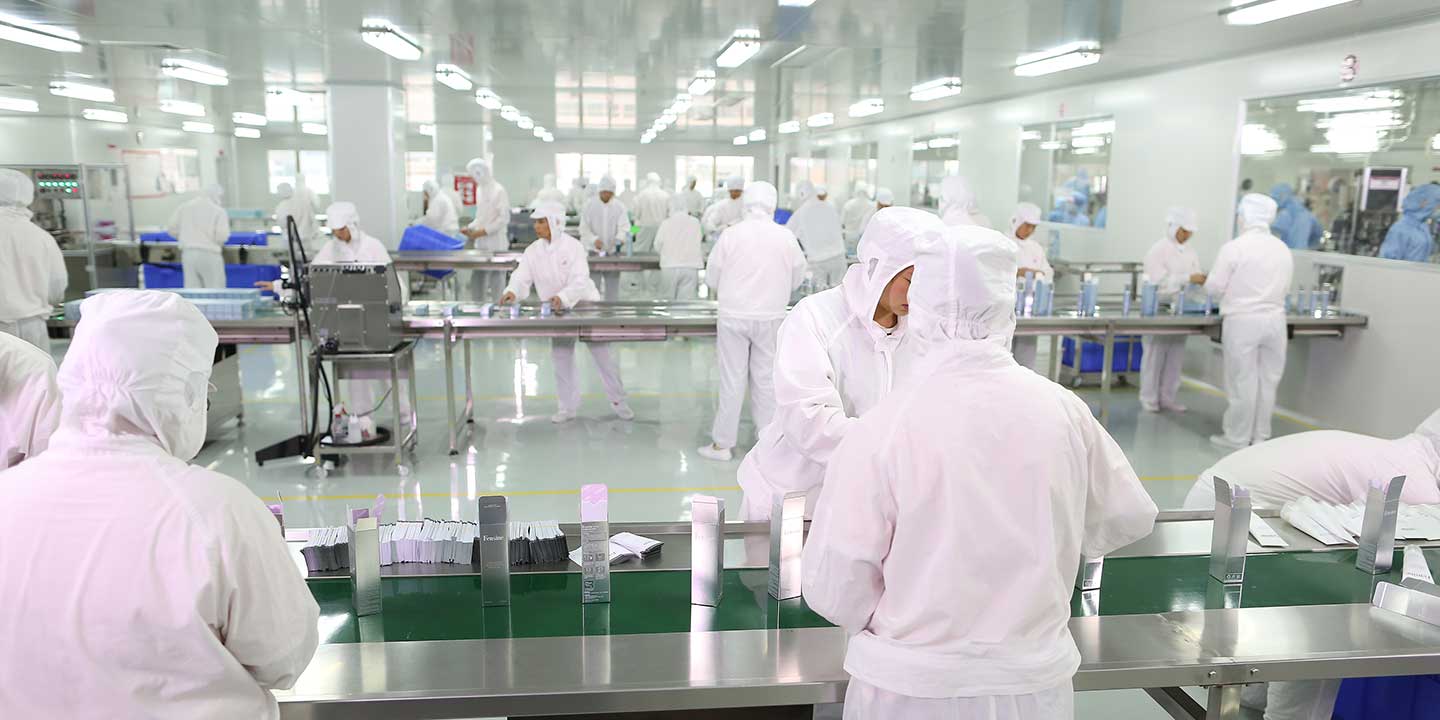
For beauty brands, partnering with a GMP (Good Manufacturing Practice) certified cosmetics OEM manufacturer in China is non-negotiable for ensuring product safety, quality, and regulatory compliance. However, not all GMP certifications are created equal, and choosing the wrong manufacturer can lead to costly mistakes, product recalls, or legal issues. This guide will walk you through the critical factors to check before signing a contract with a GMP certified cosmetics OEM manufacturer in China, helping you make an informed decision and protect your brand’s reputation.
Understanding GMP Certification for Cosmetics Manufacturers
1.1 What is GMP Certification for Cosmetics?
GMP certification is a set of standards that ensure cosmetics are produced, tested, and controlled consistently to meet quality and safety requirements. In China, GMP certification for cosmetics is regulated by the National Medical Products Administration (NMPA) and aligns with international standards like ISO 22716. We’ll explain the core principles of GMP, including hygiene, documentation, and quality control, and why it’s essential for your brand.
1.2 The Difference Between GMP and Other Certifications
It’s important to distinguish GMP from other certifications like ISO 9001 (quality management) or organic certifications. While ISO 9001 focuses on process efficiency, GMP specifically addresses product safety and consistency. We’ll compare these certifications and explain why GMP is the gold standard for cosmetics manufacturing.
Verifying GMP Certification Authenticity
2.1 How to Check if a Manufacturer’s GMP Certification is Valid
Not all manufacturers claiming GMP certification are legitimate. Learn how to verify the authenticity of a GMP certificate, including checking the issuing authority, expiration date, and scope of certification. We’ll provide step-by-step instructions for verifying certificates through the NMPA’s official database and third-party verification services.
2.2 Common Red Flags in GMP Certifications
Watch out for red flags like expired certificates, incomplete scope (e.g., certification only covers a single product line), or certificates from unrecognized authorities. We’ll list common scams and how to avoid them, such as manufacturers using generic certificates or photoshopped documents.
Evaluating the Manufacturer’s GMP Compliance
3.1 Auditing the Manufacturing Facility
A site visit or virtual audit is critical to assess the manufacturer’s GMP compliance. We’ll outline what to look for during an audit, including cleanroom conditions, equipment maintenance, and staff training. For example, check if the facility has separate areas for raw material storage, production, and packaging to prevent cross-contamination.
3.2 Reviewing Quality Control Processes
GMP compliance requires strict quality control at every stage of production. Ask the manufacturer for documentation of raw material testing, in-process inspections, and final product testing. We’ll explain how to review these documents and ensure they meet international standards.
Key Contract Terms to Negotiate with GMP Certified Manufacturers
4.1 Defining Quality Standards and Acceptance Criteria
Your contract should clearly define quality standards, including ingredient specifications, product performance, and packaging requirements. We’ll provide a template for quality acceptance criteria and explain how to negotiate penalties for non-compliance.
4.2 Intellectual Property Protection
Protect your brand’s intellectual property (IP) by including clauses for formula confidentiality, trademark protection, and non-disclosure agreements (NDAs). We’ll discuss common IP risks in China and how to mitigate them through contract terms.
Regulatory Compliance for Global Markets
5.1 Ensuring Compliance with Chinese Regulations
China’s cosmetics regulations are constantly evolving, with new rules like the Cosmetic Supervision and Administration Regulation (CSAR) coming into effect. Ensure the manufacturer is up-to-date with these regulations and can provide the necessary documentation for product registration.
5.2 Meeting International Regulatory Requirements
If you plan to sell your products in other markets (e.g., the U.S., EU, Southeast Asia), ensure the manufacturer can produce products that meet local regulations. We’ll discuss how to align GMP compliance with FDA, EU CPNP, and ASEAN Cosmetic Directive requirements.
Supply Chain Transparency and Traceability
6.1 Tracking Raw Materials and Ingredients
GMP certified manufacturers should have a transparent supply chain with traceable raw materials. Ask for documentation of ingredient sourcing, including certificates of analysis (COAs) and supplier audits. We’ll explain how to verify the authenticity of raw materials and avoid counterfeit ingredients.
6.2 Batch Tracking and Recall Procedures
In case of a product recall, the manufacturer must have a robust batch tracking system. We’ll discuss how to review the manufacturer’s recall procedures and ensure they can quickly identify and remove defective products from the market.
Communication and Collaboration with the Manufacturer
7.1 Establishing Clear Communication Channels
Effective communication is key to a successful partnership. Ensure the manufacturer has a dedicated account manager and clear communication channels (e.g., email, WeChat, video calls). We’ll provide tips for maintaining regular communication and resolving issues quickly.
7.2 Collaborating on Product Development
Work with the manufacturer to develop products that meet your brand’s requirements. We’ll discuss how to communicate your vision, provide feedback on samples, and iterate on formulas to ensure quality and consistency.
Case Studies: Mistakes to Avoid with GMP Certified Manufacturers
8.1 Case Study 1: A Brand’s Recalls Due to Non-Compliant GMP Practices
We’ll analyze a real-world case where a brand faced product recalls because their GMP certified manufacturer cut corners on quality control. This case study will highlight the importance of thorough audits and contract enforcement.
8.2 Case Study 2: How a Brand Successfully Partnered with a GMP Certified Manufacturer
This case study will focus on a brand that achieved success by choosing a reputable GMP certified manufacturer. We’ll discuss their due diligence process, contract negotiations, and long-term partnership strategies.
Post-Contract Monitoring and Quality Assurance
9.1 Conducting Regular Quality Checks
Even after signing a contract, it’s important to conduct regular quality checks to ensure the manufacturer maintains GMP compliance. We’ll explain how to schedule periodic audits and test samples to verify product quality.
9.2 Addressing Non-Compliance Issues
If you发现 non-compliance issues, your contract should outline clear steps for resolution, including corrective actions and penalties. We’ll discuss how to handle disputes and terminate the contract if necessary.
Choosing the Right GMP Certified Manufacturer for Your Brand
10.1 Creating a Shortlist of Manufacturers
Use online platforms, industry trade shows, and referrals to create a shortlist of GMP certified manufacturers. We’ll provide a checklist for evaluating manufacturers based on their experience, product range, and customer reviews.
10.2 Making the Final Decision
After conducting audits and negotiating contracts, make an informed decision based on factors like cost, quality, and reliability. We’ll discuss how to weigh these factors and choose the manufacturer that best aligns with your brand’s goals.
Conclusion
Choosing a GMP certified cosmetics OEM manufacturer in China is a critical decision that can impact your brand’s success. By following the steps outlined in this guide, you’ll be able to verify GMP certification authenticity, evaluate compliance, negotiate favorable contract terms, and build a long-term partnership with a reliable manufacturer. Remember to prioritize quality, transparency, and communication to ensure your products meet the highest standards and comply with global regulations.
Call to Action 1
Ready to find a GMP certified cosmetics OEM manufacturer in China? Our team can connect you with verified manufacturers. Contact us today for a free consultation. Click here to learn more
Call to Action 2
Join our community of beauty brand owners! Sign up for our newsletter to receive exclusive tips on GMP compliance and manufacturer selection. Subscribe now
Call to Action 3
Looking for a GMP certified manufacturer? Browse our directory of trusted partners and request a quote. Find a manufacturer
Call to Action 4
Have questions about GMP certification? Send us a message via WhatsApp at +86 134 8026 8601 for personalized advice. Message us now
Call to Action 5
Ready to ensure your brand’s compliance? Book a one-on-one strategy session with our GMP experts. Book now