
The China cosmetics industry offers two primary manufacturing models for brands: OEM (Original Equipment Manufacturing) and ODM (Original Design Manufacturing). Understanding the differences between these two models is critical for brand owners to make informed decisions about their production strategy. This guide will provide a detailed comparison of OEM vs ODM in the China cosmetics industry, including their definitions, benefits, drawbacks, and how to choose the right model for your brand.
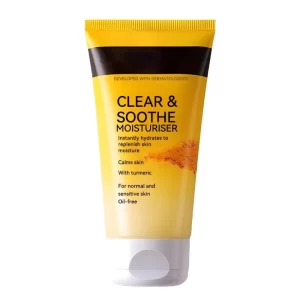
Understanding OEM and ODM in the Cosmetics Industry
1.1 What is OEM in Cosmetics Manufacturing?
OEM (Original Equipment Manufacturing) is a model where the brand provides the manufacturer with a complete product formula, packaging design, and specifications. The manufacturer is responsible for producing the product according to the brand’s exact requirements. We’ll explain how OEM works, including the process flow, key responsibilities, and typical use cases for brands.
1.2 What is ODM in Cosmetics Manufacturing?
ODM (Original Design Manufacturing) is a model where the manufacturer develops the product formula, packaging, and design, and the brand purchases the product under its own name. The brand can customize certain aspects of the product, such as packaging or ingredients, but the core design is developed by the manufacturer. We’ll discuss how ODM works, including the process flow, key responsibilities, and typical use cases for brands.
Key Differences Between OEM and ODM in China Cosmetics Industry
2.1 Product Development and Ownership
The primary difference between OEM and ODM lies in product development and ownership. In OEM, the brand owns the product formula and design, while in ODM, the manufacturer owns the intellectual property (IP) of the product. We’ll explain the implications of this difference for brands, including IP protection, customization flexibility, and cost.
2.2 Cost Structure and Pricing
OEM and ODM have different cost structures. OEM typically requires higher upfront costs for product development and tooling, while ODM has lower upfront costs but higher per-unit costs. We’ll compare the cost structures of both models and provide examples of how to calculate the total cost of production for each.
Benefits of OEM in China Cosmetics Industry
3.1 Full Control Over Product Formula and Design
OEM allows brands to have full control over every aspect of the product, from the formula to the packaging. This is ideal for brands that have a unique product concept or want to maintain brand consistency. We’ll discuss how this control can help brands differentiate themselves in the market and build a strong brand identity.
3.2 Intellectual Property Protection
Since the brand owns the product formula and design in OEM, they have full intellectual property rights. This protects the brand from competitors copying their product and ensures that they can maintain exclusive rights to their product. We’ll explain how to protect your IP in OEM agreements and avoid common pitfalls.
Drawbacks of OEM in China Cosmetics Industry
4.1 Higher Upfront Costs
OEM requires brands to invest in product development, including formula testing, packaging design, and tooling. These upfront costs can be significant, especially for small brands or startups. We’ll discuss how to manage these costs and find ways to reduce expenses without compromising quality.
4.2 Longer Time to Market
Developing a product from scratch in OEM takes time, including formula development, testing, and packaging design. This can delay the product launch and give competitors an advantage. We’ll provide tips for speeding up the OEM process and getting your product to market faster.
Benefits of ODM in China Cosmetics Industry
5.1 Lower Upfront Costs
ODM eliminates the need for brands to invest in product development, as the manufacturer provides pre-developed formulas and designs. This reduces upfront costs and allows brands to launch products quickly. We’ll discuss how ODM can help startups and small brands enter the market with minimal investment.
5.2 Faster Time to Market
Since ODM uses pre-developed formulas and designs, the time to market is significantly shorter than OEM. Brands can launch products in a matter of weeks instead of months. We’ll explain how this speed can help brands capitalize on market trends and stay ahead of competitors.
Drawbacks of ODM in China Cosmetics Industry
6.1 Limited Customization Options
ODM products are based on the manufacturer’s pre-developed designs, which limits the brand’s ability to customize the product. This can make it difficult for brands to differentiate themselves from competitors. We’ll discuss how to maximize customization in ODM and find ways to add unique value to the product.
6.2 Intellectual Property Risks
In ODM, the manufacturer owns the intellectual property of the product, which means they can sell the same product to other brands. This can lead to market saturation and brand dilution. We’ll explain how to protect your brand in ODM agreements and negotiate exclusive rights to the product.
How to Choose Between OEM and ODM for Your Cosmetics Brand
7.1 Assessing Your Brand’s Needs and Goals
The choice between OEM and ODM depends on your brand’s needs and goals. For example, if you have a unique product concept and want full control, OEM is the right choice. If you want to launch a product quickly with minimal investment, ODM is better. We’ll provide a checklist to help you assess your brand’s needs and make the right decision.
7.2 Evaluating Manufacturer Capabilities
When choosing between OEM and ODM, it’s essential to evaluate the manufacturer’s capabilities. Look for manufacturers with experience in your chosen model, as well as certifications like GMP and ISO 22716. We’ll discuss how to vet manufacturers and ensure they can meet your brand’s requirements.
Case Studies: OEM vs ODM Success Stories in China Cosmetics Industry
8.1 Case Study 1: A Brand’s Success with OEM Manufacturing
We’ll analyze a brand that used OEM to launch a unique skincare product line. This case study will highlight the challenges they faced, how they managed product development, and the results of their OEM strategy.
8.2 Case Study 2: A Brand’s Success with ODM Manufacturing
This case study will focus on a brand that used ODM to launch a range of cosmetics products quickly. We’ll discuss how they leveraged ODM to enter the market and scale their business.
Regulatory Compliance for OEM and ODM in China
9.1 China’s Cosmetics Regulations for OEM and ODM
China has strict regulations for cosmetics manufacturing, including requirements for product registration, ingredient safety, and labeling. Both OEM and ODM manufacturers must comply with these regulations. We’ll outline the key regulatory requirements for each model and how to ensure compliance.
9.2 Global Regulatory Compliance for OEM and ODM Products
If you plan to sell your product in other markets, you must ensure it complies with local regulations. For example, the EU requires cosmetics to be registered in the CPNP, while the U.S. requires FDA registration. We’ll discuss how to navigate global regulatory requirements for both OEM and ODM products.
Best Practices for Working with OEM and ODM Manufacturers in China
10.1 Establishing Clear Communication Channels
Effective communication is key to a successful partnership with an OEM or ODM manufacturer. Ensure you have clear communication channels, such as email, WeChat, or video calls, and assign a dedicated point of contact. We’ll provide tips for maintaining regular communication and resolving issues quickly.
10.2 Negotiating Favorable Terms and Conditions
Negotiate terms and conditions like payment terms, delivery time, and quality control. For example, you may want to request a 30% deposit upfront and 70% upon delivery, or a 10-day return policy for defective products. We’ll provide a sample negotiation script and tips for protecting your brand’s interests.
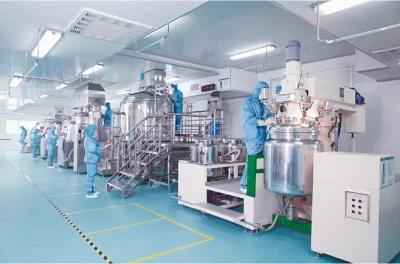
Conclusion
Choosing between OEM and ODM in the China cosmetics industry is a critical decision that can impact your brand’s success. By understanding the differences between these two models, evaluating your brand’s needs, and working with a reliable manufacturer, you can make an informed decision and launch a successful product. Remember to prioritize quality control, regulatory compliance, and clear communication to build a long-term partnership with your manufacturer.
Call to Action 1
Ready to choose between OEM and ODM for your cosmetics brand? Our team can help you assess your needs and connect you with trusted manufacturers. Contact us today for a free consultation. Click here to learn more
Call to Action 2
Join our community of beauty brand owners! Sign up for our newsletter to receive exclusive tips on OEM and ODM manufacturing. Subscribe now
Call to Action 3
Looking for an OEM or ODM manufacturer in China? Browse our directory of verified manufacturers and request a quote. Find a manufacturer
Call to Action 4
Have questions about OEM vs ODM in the China cosmetics industry? Send us a message via WhatsApp at +86 134 8026 8601 for personalized advice. Message us now
Call to Action 5
Ready to launch your cosmetics product? Book a one-on-one strategy session with our experts. Book now