
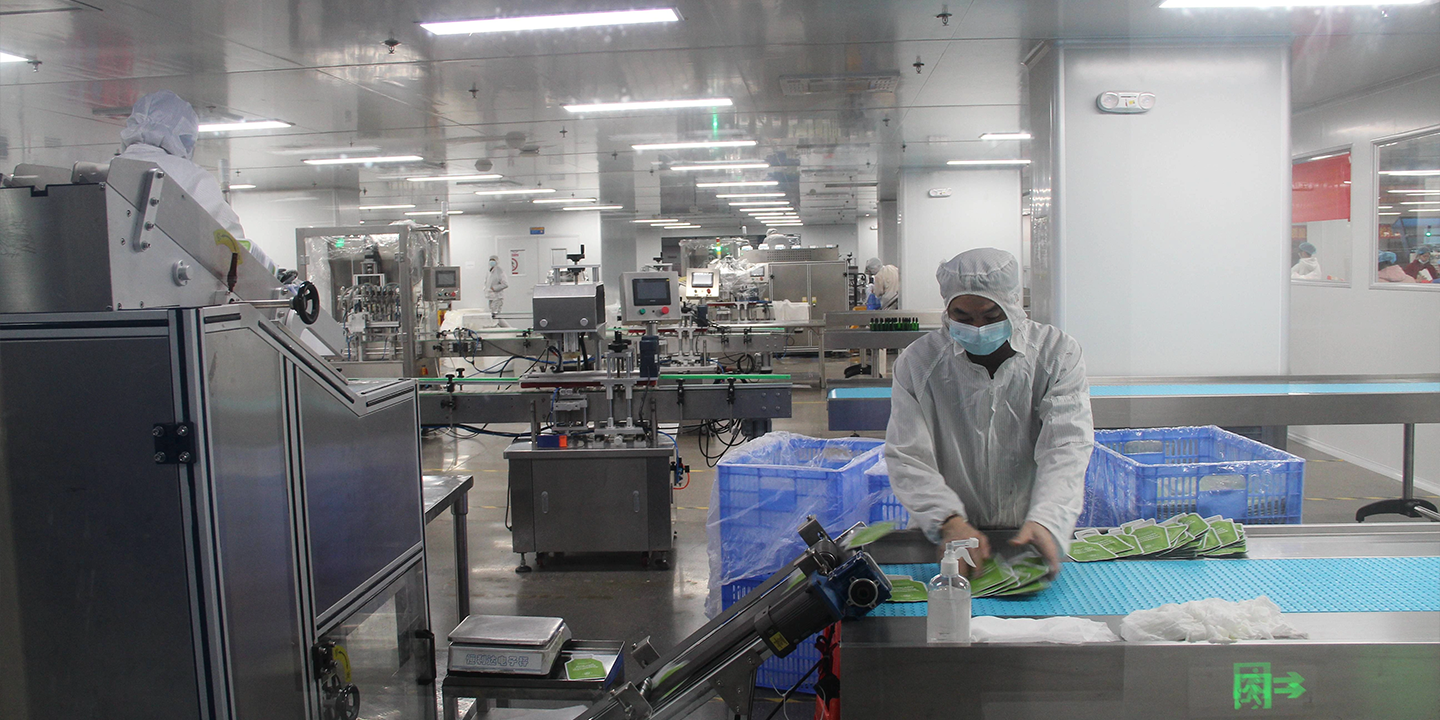
Launching a skincare brand with a white-label product is fast, but if you want to build a truly competitive brand, customizing your own skincare formula is the ultimate game-changer.
However, moving from an abstract concept to a mass-produced, market-ready product requires a strategic partnership with a reliable OEM (Original Equipment Manufacturer) or ODM. As professionals who handle international cosmetics manufacturing daily, we know that formulation is where science meets business.
Here is the step-by-step process of how to customize your skincare formula with a manufacturing partner, avoiding common pitfalls and ensuring global compliance.
Step 1: Define Your Product Brief and Benchmarks
Before reaching out to a factory, you need a clear roadmap. OEM chemists need specific data, not just vague descriptions like “I want a good anti-aging cream.”
To ensure efficient communication, prepare a Product Development Brief that includes:
-
Target Audience & Pain Points: Who is this for? (e.g., Sensitive skin, anti-aging, acne-prone).
-
Benchmark Products: Provide 2-3 existing products on the market whose texture, scent, or efficacy you want to emulate or improve upon.
-
Key Active Ingredients: Specify if you want trending ingredients (e.g., 2% Salicylic Acid, Niacinamide, Peptides).
-
“Free-From” Claims (Blacklist): E.g., Paraben-free, sulfate-free, cruelty-free, or vegan.
-
Target Cost (COGS): This is crucial. Your budget dictates which tier of raw materials the chemists will select.
Step 2: Vetting the Right Cosmetics OEM Partner
Not all factories are equipped for custom formulation. Many only offer off-the-shelf private label options. When sourcing a B2B partner, look for these specific capabilities:
-
In-house R&D Lab: Do they have dedicated chemists, or do they outsource formulation?
-
Certifications: Ensure they hold ISO 22716 and GMPC certifications at a minimum. If you are selling in the US or Europe, ask about their experience with FDA MoCRA or EU CPNP compliance.
-
MOQ Flexibility: Custom formulas usually require higher Minimum Order Quantities (MOQs) than standard formulas due to raw material purchasing constraints. Clarify this early.
Step 3: The R&D and Prototyping Phase (Sampling)
Once you sign an NDA (Non-Disclosure Agreement) and pay the initial formulation fee, the real work begins.
-
First Prototype (T1): The chemists will source raw materials and create a base formula. You will receive a sample to evaluate the texture, absorption, scent, and color.
-
Feedback Loop: It’s rare to get it perfect on the first try. You will test the sample and provide detailed feedback.
-
Refinement (T2, T3): The lab will adjust the percentages of humectants, emollients, or fragrances based on your feedback until the formula is locked.
Expert Tip: Never rush this stage. A good custom formulation process typically takes 3 to 6 weeks just for prototyping.
Step 4: Mandatory Stability and Safety Testing
This is the most critical step for product safety and brand reputation. Once the formula is approved, the OEM factory must run it through rigorous testing to ensure it won’t separate, change color, or grow bacteria over time.
-
Stability Testing: The product is placed in incubators at extreme temperatures (e.g., 40°C/104°F and -5°C/23°F) for 1 to 3 months to simulate its shelf life.
-
Challenge Testing (PET): Microbes are intentionally introduced into the product to ensure the preservative system works effectively.
-
Skin Irritation Testing: Often done via patch tests to ensure dermatological safety.
Step 5: Packaging Compatibility Testing
A great formula can be ruined by the wrong packaging. Active ingredients (like Vitamin C or Retinol) can react with certain plastics or degrade when exposed to light. The OEM will place the approved formula into your chosen primary packaging (glass, PET, airless pumps) and place it in an oven to check for leakage, discoloration, or chemical reactions between the formula and the container.
Step 6: Pilot Run and Mass Production
Once all tests are passed and the final INCI list and MSDS (Material Safety Data Sheet) are generated, you are ready for production.
-
Pilot Run: Before a massive 50,000-unit run, reputable factories will conduct a small pilot run (e.g., 50-100 kg) on the large production equipment. This ensures the formula behaves the same way in a 1-ton emulsifying pot as it did in a small laboratory beaker.
-
Quality Control (QC): During mass production, the factory will perform microbiological and physicochemical tests on the bulk before filling it into your branded packaging.
Frequently Asked Questions (FAQ) About Custom Skincare Formulation
Q1: How much does it cost to customize a skincare formula with an OEM? The cost varies significantly based on the complexity of the formula, the tier of active ingredients, and mandatory testing. Typically, factories charge an upfront R&D or sampling fee ranging from $300 to $1,500. For mass production, the unit price will depend on your Minimum Order Quantity (MOQ) and packaging choices. However, investing in a custom formula provides a unique selling proposition (USP) that justifies a higher retail margin.
Q2: What is the typical Minimum Order Quantity (MOQ) for a custom formula? Unlike standard private label products (which might start at 500 units), custom formulations usually require a higher MOQ. This is primarily due to the bulk purchasing requirements of specific raw materials. You can typically expect an MOQ of 3,000 to 10,000 units per SKU. A reliable partner like Guangzhou Shampoo Factory will always be transparent about these raw material thresholds during the initial briefing.
Q3: How long does the entire custom formulation process take? From the initial brief to the delivery of mass-produced goods, you should budget 3 to 6 months.
-
R&D and Prototyping: 3-6 weeks.
-
Stability & Challenge Testing: 1-3 months (Non-negotiable for safety).
-
Mass Production & Packaging: 30-45 days. Planning ahead is essential for B2B brands looking to meet specific launch deadlines.
Q4: Who owns the Intellectual Property (IP) of the customized formula? This is a critical business consideration. Generally, if you pay a premium for exclusive R&D and outright purchase the formula, your brand owns the IP. If the factory waives the R&D fee and subsidizes the development, the factory usually retains ownership of the specific formulation. Always ensure this is clearly defined in your manufacturing contract and NDA before sampling begins.
Q5: Can an OEM factory help with international compliance (FDA MoCRA or EU CPNP)? Yes, a qualified cosmetics OEM is crucial for compliance. While the brand owner (the “Responsible Person”) must submit the actual registrations, your factory partner must provide the necessary documentation. This includes the precise INCI list, Certificate of Analysis (COA), Material Safety Data Sheets (MSDS), and proof of GMPC/ISO 22716 certification.
Ready to Build Your Custom Skincare Line?
Customizing a formula is an investment in your brand’s unique identity. It builds customer loyalty and protects your market share from generic competitors.
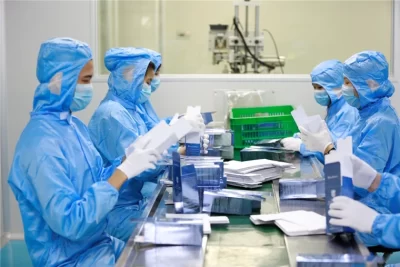
If you are a B2B brand looking for a robust manufacturing backbone, you need a partner who understands both high-concurrency production and international compliance. At Guangzhou Shampoo Factory, we specialize in taking your specific hair care and cosmetics concepts from the R&D lab to global retail shelves with strict quality control.
[Insert CTA Button: WhatsApp:+86 134 8026 8601