
The global beauty market is expanding rapidly, and for brand owners, scaling production while maintaining high margins is the ultimate challenge. Whether you are launching a new indie beauty brand or scaling an established cosmetics line, partnering with a skincare OEM manufacturer in China offers a strategic advantage in both cost and speed to market.
However, navigating the vast landscape of overseas manufacturing can be daunting. How do you ensure product safety? What certifications matter? How do you protect your intellectual property?
In this comprehensive guide, we will break down exactly how to source, vet, and partner with the right Chinese skincare factory to elevate your brand.
Why Choose a Skincare OEM Manufacturer in China?
China has evolved far beyond just “low-cost manufacturing.” Today, the country’s cosmetic manufacturing hubs—particularly in Guangzhou and Shanghai—are equipped with world-class R&D laboratories, automated production lines, and deep expertise in trending formulations like vegan skincare, botanical extracts, and active ingredients.
Here is why top beauty brands source from China:
-
Cost-Effective Scalability: Benefit from mature supply chains that keep packaging and raw material costs low, allowing you to maximize your ROI.
-
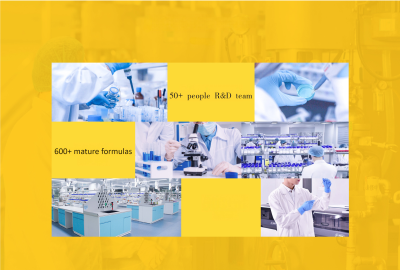
Advanced R&D Capabilities: Leading factories reinvest heavily in research, offering thousands of mature, ready-to-label formulations (ODM) alongside custom OEM services.
-
Flexible MOQs (Minimum Order Quantities): While traditional manufacturing required massive upfront investments, many modern Chinese OEM partners now offer flexible MOQs to support emerging brands testing new markets.
4 Crucial Steps to Vetting a Cosmetics Factory
Not all factories are created equal. To protect your brand reputation and ensure consistent quality, you must rigorously screen potential partners using the following criteria.
1. Verify Global Quality Certifications
A legitimate B2B cosmetics manufacturer will have zero hesitation providing their compliance documents. At a minimum, your OEM partner must hold:
-
ISO 22716: The international standard for Good Manufacturing Practices (GMP) in cosmetics.
-
GMPC (US FDA & Council of Europe): Ensures the factory environment is highly controlled, sterile, and safe for personal care production.
-
MSDS & COA: Material Safety Data Sheets and Certificates of Analysis for all raw ingredients used in your formulations.
2. Evaluate R&D and Custom Formulation Skills
Are you looking for a simple private-label moisturizer, or do you need a highly specific, trending formula—such as a Batana oil hair mask or a caffeine-infused serum? A strong OEM manufacturer will have an in-house team of chemists who can reverse-engineer benchmarks, stabilize active ingredients, and customize textures and scents to match your brand identity.
3. Assess Packaging and Sourcing Integration
The best manufacturers act as a one-stop shop. Instead of coordinating between a formula lab in one city and a packaging supplier in another, look for a factory that offers integrated sourcing. They should provide a wide library of primary packaging (bottles, jars, airless pumps) and handle the compatibility testing between the formula and the container.
4. Communication and Turnaround Times
In B2B partnerships, poor communication kills margins. Evaluate how quickly the sales and engineering teams respond to your initial inquiry. A professional factory will provide a clear timeline for the critical phases:
-
Sample Creation: Usually 7-14 days.
-
Packaging Sourcing: Varies based on custom molds vs. stock items.
-
Mass Production: Typically 25-35 days after sample and packaging approval.
Looking to streamline your product launch? > [Insert your company name/link] specializes in end-to-end OEM and ODM solutions. [Contact our formulation experts today to request a free sample.] (Link this CTA to your inquiry form)
Red Flags to Avoid When Sourcing
When sourcing your skincare OEM manufacturer in China, walk away immediately if you encounter these red flags:
-
Unwillingness to sign an NNN Agreement: Non-Disclosure, Non-Use, and Non-Circumvention agreements are essential to protect your custom formulas.
-
“Bait and Switch” Sampling: Producing a high-quality initial sample, but delivering a lower-grade product during mass production. Always hire a third-party inspection service before the final container ships.
-
Vague Quality Control Protocols: If a factory cannot clearly explain its incoming raw material inspection, in-line production checks, and final product testing, they are not worth your investment.
The Bottom Line
Finding the right skincare OEM manufacturer in China is about more than just securing the lowest unit price; it is about securing a long-term growth partner. By prioritizing certifications, robust R&D, and transparent communication, you can build a highly profitable product line that keeps your customers coming back.
Ready to bring your skincare vision to life? Browse our extensive catalog of market-proven formulations or speak directly with our manufacturing specialists to discuss your custom project.
[Get a Free Quote and Manufacturing Consultation Today]
WhatsApp: +86 134 8026 8601