
Serums are the highest-impact step in any skincare routine, and that makes them the highest-leverage product for a new brand. Choosing the right face serum manufacturer in Guangzhou lets overseas B2B buyers launch a concentrated, high-margin skincare line without building a lab from scratch. This guide explains how to brief, formulate, and scale a private-label serum with a Guangzhou OEM, and how to avoid the costly mistakes that sink first-time launches.

Why Serums Dominate Modern Skincare Shelves
A face serum delivers active ingredients at higher concentrations than a moisturizer, which is why consumers expect visible results and why retailers price serums at a premium. For a brand, that economics is compelling: small bottles, low fill weights, and strong perceived value. A reliable face serum manufacturer helps you capture that margin while keeping batch consistency tight enough for export markets. Serums also travel well, making them ideal for cross-border e-commerce and distributor catalogues alike.
Because the category is built on actives—vitamin C, hyaluronic acid, niacinamide, peptides, retinol—the formulation conversation is where serious brands win or lose. The right Guangzhou partner will guide you toward stable, compliant actives rather than chasing every trending ingredient.
Choosing a Face Serum Manufacturer in Guangzhou
Guangzhou is one of the world’s densest clusters of cosmetics contract manufacturing, and serum production is a core competency for its better factories. When you evaluate a face serum manufacturer, prioritize evidence over promises: ask for GMP and ISO 22716 certificates, stability testing protocols, and examples of serums they have shipped to your target region. A capable plant will run antioxidant and microbial challenge testing, and will document active-ingredient assays so your claims are defensible.
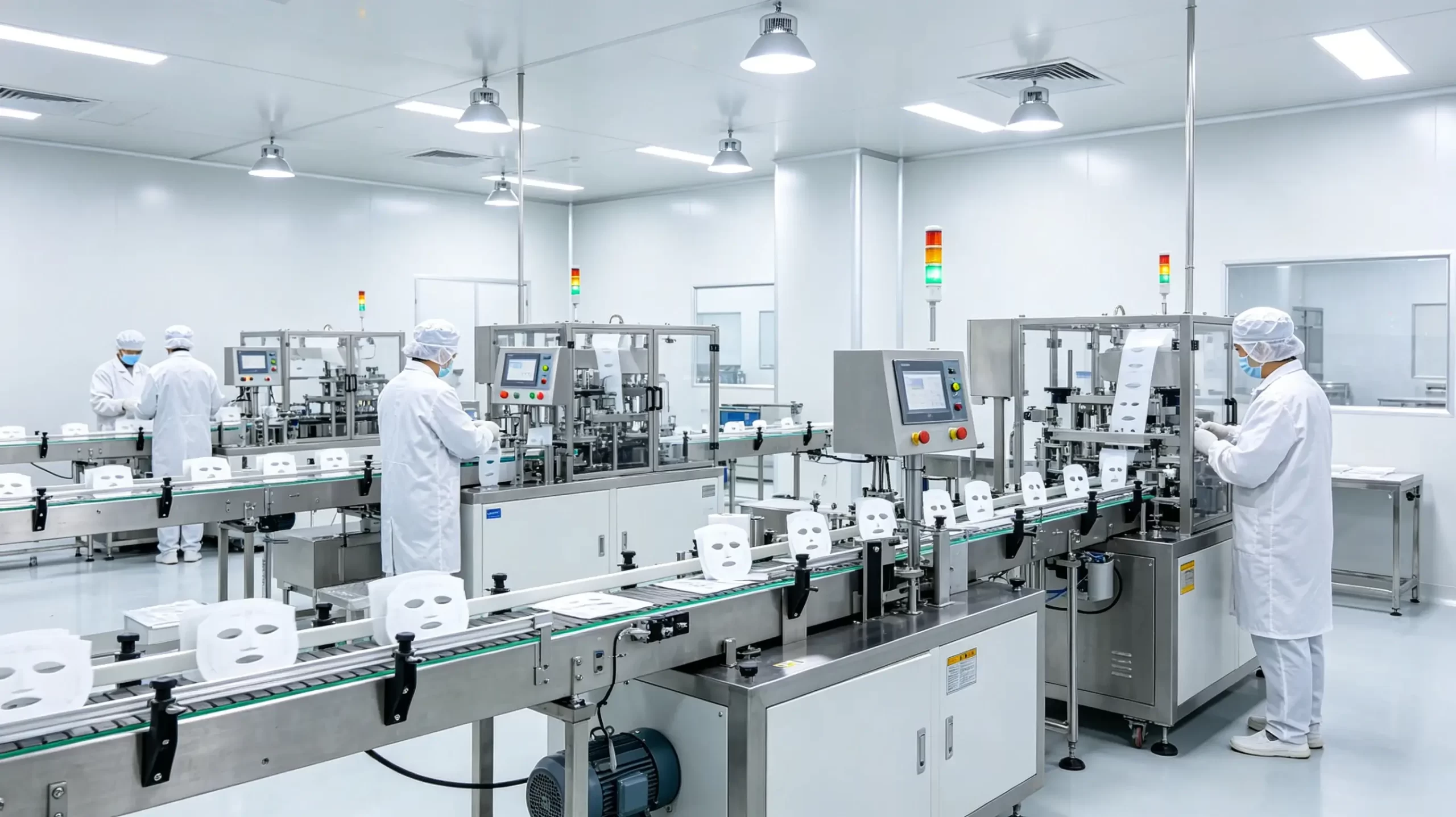
Visit or virtually audit the cleanroom filling line. Serums are sensitive to contamination and oxidation, so nitrogen flushing, low-temperature filling, and amber or airless packaging are signs of a mature operation. Our Guangzhou body lotion manufacturer guide shows the same private-label discipline applied to a different texture, which is useful context when you plan a multi-SKU range.
Private Label, OEM, and ODM for Serums
The three models matter as much for serums as for any category. Private label uses a proven base you rebrand—fastest to market. OEM means you or the factory develop the formula to your spec. ODM means the manufacturer designs both formula and often the packaging concept. For serums, where actives and stability are technical, many first-time brands start with a private-label or ODM base and graduate to custom OEM once they understand their customer.
If you are still deciding how much control you need, our hand cream manufacturer guide covers the same decision from a simpler product angle, and the logic transfers directly to serums.
Core Serum Formulations to Consider
The most commercial serum bases share a light, fast-absorbing vehicle built on water, glycerin, and a humectant such as hyaluronic acid. From there you layer the hero active. A brightening serum centers on vitamin C or niacinamide; a hydrating serum leans on multi-weight hyaluronic acid and panthenol; an anti-aging serum adds peptides or a buffered retinol; a soothing serum uses centella or madecassoside. A skilled face serum manufacturer will help you choose actives that are stable together and permitted in your destination market.
Serums also pair naturally with the rest of a routine. A facial mist manufacturer workflow can share the same hydration story, while a night cream manufacturer and an eye cream manufacturer let you build a coherent regimen under one OEM roof.
Packaging Is Part of the Formula, Not an Afterthought
For serums, the bottle is an active part of product performance. Light, oxygen, and air exposure degrade sensitive ingredients, so packaging choice directly affects shelf life and results. Amber or violet glass blocks UV, while airless pumps minimize oxygen ingress and prevent the user from introducing contaminants with their fingers. Dropper bottles remain the category standard for cost and familiarity, but unit cost varies widely with glass thickness, dropper mechanism, and decoration. A thoughtful face serum manufacturer will recommend the lowest-risk package for your active rather than the cheapest one, because a serum that oxidizes in transit damages your brand far more than a small packaging saving ever helps it.
Writing a Brief Your Manufacturer Can Actually Execute
The fastest projects start with a clear, one-page brief. State the target consumer and skin concern, the hero active and its target percentage, the desired texture and finish, any forbidden ingredients, the target retail price, and the markets you intend to sell into. Include constraints such as certififcations (vegan, cruelty-free, halal) and any claim you plan to make, so the manufacturer can confirm it is supportable. The more precise your brief, the fewer sample rounds you need, and the sooner your face serum manufacturer can move from concept to confirmed formula. Treat the brief as a contract for expectations, not just a wish list.
The Private-Label Serum Workflow
A typical project runs from brief to shelf in five stages. You submit a brief covering target skin concern, claims, texture, and budget. The manufacturer proposes a base and supplies samples. You approve feel, clarity, and scent, then select packaging—dropper bottle, airless pump, or ampoule. The factory runs a pilot fill and stability check, then moves to bulk production on sign-off. Realistic lead times are four to ten weeks once packaging is sourced, with in-house decoration compressing the schedule.
Keep documentation disciplined: formula sheet, INCI list, batch records, and market-specific certificates. A serious export partner treats this paper trail as part of the product, not an afterthought.
MOQ, Lead Time, and Budgeting
Guangzhou factories are known for flexible minimums. A low-MOQ face serum manufacturer may accept 1,000 to 3,000 units for a private-label launch, letting you validate the market before scaling. Unit economics improve sharply with volume; the difference between a 2,000-unit and a 20,000-unit run can exceed 30 percent per bottle once tooling and setup are amortized. Budget for three layers—formula and filling, primary packaging (the dropper bottle is often the cost driver), and secondary decoration such as labeling or screen printing.
Compliance and Export Readiness
International rules shape what you can claim and ship. For the EU, serums fall under the Cosmetic Products Regulation with a responsible person and CPNP notification; for the U.S., FDA expects establishment registration and ingredient compliance, though cosmetics are not pre-approved. A credible face serum manufacturer holds ISO 22716 GMP, provides allergen and heavy-metal screening, and helps assemble your documentation. Avoid drug-style claims like “treats” or “cures”; use permitted cosmetic language such as “helps improve the appearance of” or “supports hydrated-looking skin.”
Common Pitfalls When Sourcing Serums
The biggest mistake is rushing to market with an unstable active—vitamin C in particular oxidizes without proper formulation and packaging. The second is underestimating packaging lead time; custom dropper bottles often take longer than the serum itself. The third is weak claim substantiation, which invites regulatory pushback. Finally, protect your hero formula with a confidentiality agreement so your signature serum does not appear under a competitor’s label six months later.
Building a Coherent Skincare Range
The strategic advantage of sourcing in Guangzhou is consolidation. Instead of managing a serum lab, a bottle supplier, and a printer separately, one audited OEM coordinates everything and owns the quality outcome. That lets you extend from a single serum into a full regimen—mist, cream, eye care—while keeping your supplier count low and your iteration speed high.
Ready to Launch Your Private-Label Serum?
Choosing the right face serum manufacturer is the foundation of a profitable skincare brand, and Guangzhou’s OEM ecosystem makes private-label launches faster and more affordable than almost anywhere else. If you want to discuss actives, MOQs, and lead times for your own serum line, our team is ready to help. Contact our Guangzhou cosmetic manufacturer today to request samples and a tailored quotation, and let’s turn your serum concept into a shelf-ready product your customers will repurchase.