
In the booming global beauty industry, selecting a reliable cosmetics manufacturer is one of the most critical decisions for brands, whether you are launching your first skincare line or expanding an existing product range. A wrong choice can lead to delayed production, quality issues, regulatory headaches, and even damage to your brand reputation.
This guide explores the challenges, key evaluation criteria, and practical steps to find the right cosmetics manufacturer that ensures high-quality production and compliance.
Choosing Challenges in Cosmetics Manufacturing
Choosing a reliable cosmetics manufacturer is not as simple as picking the lowest quote. There are multiple complexities that brands must consider:
1. Navigating Factory Options
The cosmetics industry in regions like Guangdong offers hundreds of manufacturers ranging from small-scale labs to large full-service factories. While options are abundant, not all factories meet international quality standards, and some may not have experience with specific product types like serums, creams, or masks.
2. MOQ and Production Flexibility
Minimum Order Quantities (MOQs) vary widely. Some factories require thousands of units per SKU, which can be prohibitive for startups. Choosing a reliable factory often involves balancing MOQ requirements with your budget and sales projections.
3. Regulatory Compliance
Cosmetic production involves strict safety and labeling regulations. A manufacturer must comply with standards such as GMP (Good Manufacturing Practice), GMPC, ISO certifications, or FDA registration depending on the target market. Failing to verify compliance can result in serious legal issues.
4. Communication and Transparency
Language barriers, slow response times, and lack of transparency in production timelines can create operational challenges. A reliable cosmetics manufacturer maintains clear communication and shares production progress and potential issues proactively.
Factory Qualification Checks
Before committing to a cosmetics manufacturer, brands should perform a thorough evaluation of the factory’s qualifications. This step is crucial to ensure product quality and regulatory compliance.
1. Certification Verification
Ask for copies of relevant certificates. Key certifications include:
- GMPC (Good Manufacturing Practice for Cosmetics)
- ISO 22716 for quality management
- ISO 9001 for general management systems
- Local business licenses and export permits
Verify the authenticity of these documents directly with the issuing authorities when possible.
2. Production Capabilities
Not all factories can produce every type of cosmetic product. Confirm:
- Skincare, haircare, or makeup product specialization
- Batch sizes and production capacity
- Ability to handle OEM/ODM services, private labeling, and custom formulations
3. Equipment and Facility Inspection
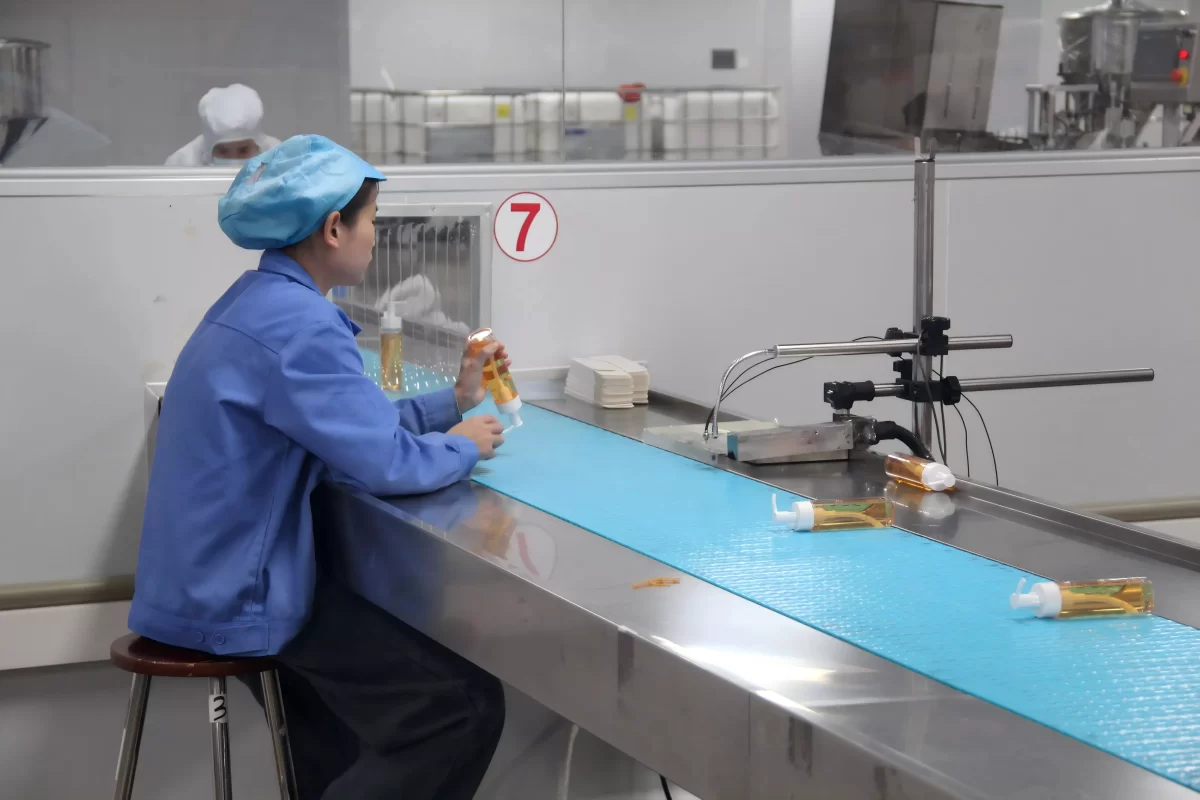
Inspect the factory or request virtual tours to evaluate equipment and production lines. A reliable cosmetics factory typically has:
- Modern mixing, filling, and packaging equipment
- Controlled environments for sensitive formulations
- Proper storage for raw materials and finished goods
Quality Control Key Points
Even a well-certified factory can produce inconsistent products if internal quality control (QC) is weak. Here are essential QC elements to check:
1. Raw Material Sourcing
A reliable cosmetics manufacturer uses high-quality, traceable raw materials. Ask for:
- Certificates of Analysis (COA) for active ingredients
- Supplier verification and audit reports
- Ingredient safety documentation compliant with target market regulations
2. Production Process Monitoring
QC should cover each production stage:
- Batch testing for consistency in color, texture, pH, and stability
- Hygiene checks in line with GMP standards
- Documentation of production parameters to trace issues quickly
3. Finished Product Testing
Before shipment, products must undergo rigorous testing:
- Microbiological testing for contamination
- Stability and shelf-life assessment
- Packaging quality and labeling accuracy
4. Sample and Pilot Production
A reliable factory offers sample or pilot runs before large-scale production. This step helps identify formulation issues, adjust packaging, and ensure alignment with your brand vision.
Additional Tips for Choosing a Reliable Cosmetics Manufacturer
- Check Customer References
Ask for references from other brands that have produced similar products. Feedback on quality, delivery times, and service is invaluable. - Evaluate After-Sales Support
Reliable factories provide ongoing support for production troubleshooting, reformulation, or regulatory updates. - Compare Multiple Options
Never settle for the first manufacturer. Compare several factories based on certifications, capacity, pricing, and communication responsiveness. - Use Small Orders to Test the Relationship
Start with small orders to evaluate the manufacturer’s performance before committing to large production runs.
Conclusion
Selecting a reliable cosmetics manufacturer requires careful consideration of certifications, production capabilities, quality control processes, and communication efficiency. A well-chosen cosmetics factory not only ensures product safety and compliance but also contributes to brand growth by delivering consistent quality and timely production.
Investing time in proper evaluation and factory audits upfront can save your brand from costly mistakes, giving you a trusted partner for long-term success in the competitive beauty market.