
In an increasingly competitive beauty industry, cosmetics manufacturer formula customization and OEM formula development have become core strategies for brands to quickly seize market share and reduce R&D costs. Whether for startups aiming to create differentiated bestsellers or established brands seeking product upgrades, partnering with a professional cosmetics OEM manufacturer and mastering scientific formula customization logic are key determinants of product success.
This guide provides a professional, practical roadmap for brands from four perspectives: the full OEM formula development process, core raw material selection strategies, cost control techniques, and real-case analyses. It helps brands avoid R&D and production pitfalls, and develop compliant, high-efficiency, cost-effective beauty products.
I. The OEM Formula Development Process: A Standardized Path from Demand to Mass Production
The core of cosmetics manufacturer formula customization is “customization on demand”. A standardized OEM formula development process is the prerequisite for ensuring stable product quality, efficacy compliance, and legal market launch. A complete process typically includes six interconnected, indispensable stages: demand research, solution design, sampling & testing, optimization & finalization, regulatory compliance & registration, and mass production & delivery.
1. Demand Research and Market Positioning: Clarify the Core Product Direction
Before initiating OEM formula development, the top priority for cosmetics manufacturers and brands is to accurately define product positioning to avoid blind R&D.
- In-depth Brand Demand Analysis: Manufacturers must collaborate with brands to confirm core product efficacy (e.g., whitening & spot lightening, sensitive skin repair, anti-aging & firming), target audiences (oily/dry/sensitive skin types, age groups, purchasing power), texture preferences (refreshing, moisturizing, matte), price ranges (affordable mass-market, mid-to-high-end salon-grade), and packaging formats (bottles, tubes, single-use pods). For example, affordable moisturizing products for student groups require a lightweight, non-greasy texture with strict cost control; high-end salon anti-aging products prioritize the efficiency of active ingredients and a luxurious texture experience.
- Market and Regulatory Compliance Research: Professional cosmetics manufacturers must possess market insight and regulatory foresight. On one hand, analyze the formula strengths and user pain points of competing products (e.g., sticky texture of rival moisturizers, high irritation of whitening serums) to identify differentiated breakthroughs. On the other hand, strictly adhere to regional regulatory standards—products for the Chinese market must comply with the Safety and Technical Standards for Cosmetics (2015 Edition), and special cosmetics (whitening, sunscreen, hair growth products, etc.) require NMPA registration certificates; products for the EU market need CPNP notification with strict avoidance of prohibited ingredients; products for Southeast Asian markets must meet local cosmetics registration requirements. This step is critical to prevent product delisting due to regulatory non-compliance post-launch.
2. Formula Solution Design: Scientific Ingredient Combination Balancing Efficacy and Texture
Formula design is the core link of cosmetics manufacturer formula customization, testing the manufacturer’s R&D capabilities. Professional R&D teams develop scientific ingredient combinations based on demand research outcomes.
- Active Ingredient Selection and Ratio Control: Active ingredients are the core of product efficacy. Suitable ingredients should be selected based on target efficacy, with rational concentration control. For example, sensitive skin repair formulas can combine ceramide + panthenol + squalane—ceramides repair the skin barrier, panthenol soothes inflammation, and squalane enhances moisturization; whitening formulas can adopt the golden combination of niacinamide (3%-5%) + tranexamic acid + vitamin C derivatives to avoid irritation caused by high concentrations of single ingredients. Meanwhile, ingredient compatibility must be considered—for instance, combining retinol with acids can exacerbate irritation, requiring concentration adjustments or the addition of soothing ingredients.
- Base Raw Material Selection and Texture Optimization: Base materials (e.g., emulsifiers, humectants, oils) determine product texture and stability. For example, to create a lightweight lotion, select light oils (e.g., isoparaffin) and non-ionic emulsifiers to reduce heaviness; to develop a rich cream, add moisture-locking ingredients such as lanolin and petrolatum. R&D teams must balance efficacy and texture through multiple ratio adjustments—a key differentiator from low-quality OEM factories, which often cut costs by using off-the-shelf formulas, resulting in poor texture and ineffective products.
3. Sampling and Testing: Rigorous Verification of Product Safety and Stability
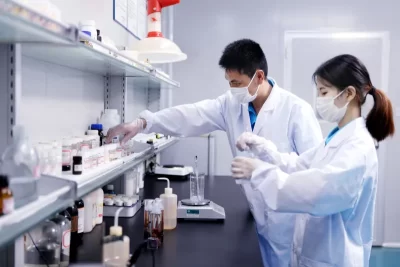
After finalizing the formula solution, the process moves to laboratory sampling and testing—a crucial checkpoint for ensuring product quality. Professional cosmetics manufacturers invest heavily in third-party testing.
- Laboratory Sample Preparation: R&D personnel manually prepare samples according to formula ratios, ensuring full dissolution and uniform mixing of all ingredients. Post-preparation, initial internal sensory tests are conducted, evaluating appearance (color, texture), odor, and skin feel to screen out samples that meet requirements.
- Authoritative Third-Party Testing: Samples passing internal tests are sent to qualified third-party laboratories for three core tests:
- Safety Tests: Including skin irritation tests, eye irritation tests, heavy metal detection, and microbial testing to ensure no harmful substances are present.
- Stability Tests: Including temperature cycling tests (-10℃~45℃ repeated cycles) and light exposure tests to simulate transportation and storage conditions, ensuring products do not separate, discolor, or develop odors within their shelf life.
- Efficacy Verification Tests: For example, melanin inhibition rate testing for whitening products and collagen production rate testing for anti-aging products, providing scientific evidence for product efficacy. These test reports also serve as critical marketing collateral for brands.
4. Formula Optimization and Finalization: Precision Adjustments Based on Test Results
Upon receiving third-party test data, R&D teams optimize formulas accordingly. For example, if high irritation is detected, reduce active ingredient concentrations or add soothing ingredients like dipotassium glycyrrhizinate; if separation occurs in stability tests, adjust emulsifier ratios or add thickeners; if feedback indicates a sticky texture, replace heavy oils with lighter alternatives.
Optimized formulas require re-sampling and re-testing until all indicators meet standards, after which final confirmation is obtained from the brand. This iterative process may take several rounds. Professional manufacturers prioritize thorough communication with brands over rushing into mass production—a key criterion for evaluating the reliability of an OEM factory.
5. Regulatory Compliance, Registration, and Mass Production Delivery: Ensuring Legal Market Launch
After formula finalization, OEM formula development enters its final phase: regulatory compliance, registration, and mass production.
- Assisting Brands with Registration: For the Chinese market, non-special cosmetics must be registered on the Domestic Non-Special Cosmetics Registration Platform. Manufacturers provide formula ingredient lists, test reports, and production processes to help brands complete registration quickly. For special cosmetics, assist in submitting registration applications and track approval progress throughout. For overseas markets, facilitate CPNP, FDA, and other notifications/registrations to ensure compliance with local regulations.
- Pilot Production Before Mass Manufacturing: Prior to large-scale production, conduct pilot runs—small-batch production on the official production line following mass production standards—to verify production process stability and ensure consistency between mass-produced products and lab samples. Mass production can only commence after pilot production is approved.
- Mass Production and Delivery: During mass production, manufacturers strictly implement quality management systems (e.g., ISO22716), conducting full-process monitoring of raw material incoming inspections, production processes, and finished product outgoing inspections. Post-production, products are packaged and labeled according to brand requirements before final delivery.
II. Core Raw Material Selection for Cosmetics Manufacturer Formula Customization: Balancing Safety, Efficacy, and Cost
Raw materials form the foundation of cosmetics, with 80% of product quality in cosmetics manufacturer formula customization dependent on raw material selection. Many brands fall into the traps of “the more expensive the raw material, the better” or “the more ingredients, the better”. In reality, high-quality raw material selection centers on three core principles: safety first, efficacy matching, and cost control.
1. Four Core Principles of Raw Material Selection
- Safety Principle: Adhere to Regulatory Red Lines, Reject Uncertified MaterialsSafety is the top priority. Professional manufacturers establish strict supplier screening systems, only partnering with suppliers holding business licenses, production permits, and raw material COA (Certificate of Analysis) documents. Raw materials undergo random inspections for heavy metals and microbial contamination before warehousing to prevent uncertified or expired materials from entering production. Simultaneously, strictly avoid regulatory-prohibited ingredients—such as glucocorticoids and antibiotics banned in China, and clobetasol propionate prohibited in the EU. For restricted ingredients, strictly control concentrations: for example, hydroquinone is banned in Chinese cosmetics but permitted at a 2% limit in some countries, requiring formula adjustments based on target market regulations.
- Efficacy Principle: Match Ingredients to Demand, Avoid Blind Ingredient StackingRaw material efficacy must align closely with product positioning, avoiding the “ingredient hype trap”. Many brands blindly pursue “high-concentration, multi-ingredient” formulas, leading to conflicting efficacy and reduced performance. For example, anti-aging products containing retinol do not require high-concentration AHAs, as this combination exacerbates skin irritation; sensitive skin products should avoid irritating ingredients like alcohol, fragrance, and artificial colors. Professional R&D teams combine ingredients based on their mechanisms of action to achieve synergistic effects (1+1>2). For example, hyaluronic acid paired with vitamin B5—hyaluronic acid hydrates, while vitamin B5 locks in moisture, enhancing overall moisturizing efficacy; pro-xylane combined with peptides—pro-xylane boosts collagen production, while peptides inhibit collagen loss, delivering dual anti-aging benefits.
- Stability Principle: Ensure Ingredient Activity, Extend Product Shelf LifeMany active ingredients (e.g., vitamin C, retinol) are unstable and prone to oxidation. Therefore, prioritize stable derivatives during raw material selection. For example, vitamin C derivatives (ascorbyl glucoside, magnesium ascorbyl phosphate) are more stable than pure vitamin C, resisting oxidation and discoloration; retinol derivatives (retinyl palmitate) are less irritating and more stable than pure retinol. Additionally, consider compatibility with the formula system. For example, water-soluble ingredients (e.g., hyaluronic acid) are suitable for toners and serums, while oil-soluble ingredients (e.g., squalane) work best in lotions and creams; acidic ingredients (e.g., AHAs) should not be paired with alkaline ingredients (e.g., aminomethyl propanol), as neutralization reactions reduce efficacy.
- Cost Control Principle: High-Cost-Effectiveness Ingredient Combinations to Boost Brand Profit MarginsRaw material costs directly determine product pricing and profit margins. Brands do not need to exclusively pursue imported raw materials—many domestic materials meet international quality standards at lower prices. For example, domestic hyaluronic acid has a purity of over 99%, comparable to imported versions, but costs 30%-50% less; domestic ceramides also offer superior cost-effectiveness compared to imported alternatives. Professional manufacturers provide cost-effective domestic raw material substitution solutions based on brand budgets, reducing costs without compromising product quality.
2. Core Raw Material Selection Tips: Active Ingredients + Base Ingredients
| Product Efficacy | Recommended Active Ingredients | Concentration Control | Suitable Skin Types |
|---|---|---|---|
| Moisturizing & Repairing | Hyaluronic Acid, Ceramide, Panthenol, Squalane | Hyaluronic Acid 0.1%-0.5%; Ceramide 0.2%-0.5% | All skin types, especially dry and sensitive skin |
| Whitening & Spot Lightening | Niacinamide, Tranexamic Acid, Vitamin C Derivatives, Arbutin | Niacinamide 3%-5%; Arbutin 2%-7% | Dull, hyperpigmented skin |
| Anti-Aging & Firming | Pro-xylane, Peptides, Retinol Derivatives, Collagen Peptides | Pro-xylane 2%-10%; Retinol Derivatives 0.1%-0.3% | Mature skin, early aging skin |
| Oil Control & Acne Fighting | Salicylic Acid, Azelaic Acid, Tea Tree Essential Oil, Zinc Salts | Salicylic Acid 0.5%-2%; Azelaic Acid 5%-15% | Oily, acne-prone skin |
- Base Ingredient Selection: Key to Texture and Stability
- Emulsifiers: Divided into ionic and non-ionic types. Non-ionic emulsifiers (e.g., Ceteth-20) are gentle, suitable for sensitive skin formulas; ionic emulsifiers (e.g., Glyceryl Stearate) offer strong emulsifying effects, ideal for general skin types.
- Humectants: Water-soluble humectants (e.g., glycerin, propylene glycol) work for lightweight products; oil-soluble humectants (e.g., petrolatum, lanolin) are suited for rich, moisturizing products.
- Preservatives: For sensitive skin formulas, prioritize mild preservatives (e.g., polyols, phenoxyethanol) and avoid parabens or formaldehyde-releasing agents. Control preservative concentrations to ensure antimicrobial efficacy while minimizing irritation.
3. Raw Material Supply Chain Management: Ensuring Product Quality from the Source
Professional cosmetics manufacturers establish long-term, stable supply chains, forming strategic partnerships with renowned domestic and international raw material suppliers (e.g., BASF, Bloomage Biotech, Symrise) to ensure consistent raw material quality. They also implement scientific inventory management systems (first-in, first-out) to prevent expiration, and store special active ingredients in refrigerated conditions to maintain activity.
When selecting a cosmetics manufacturer, brands can request to inspect the factory’s raw material warehouse, review supplier qualifications and test reports—key indicators of a factory’s capabilities.
III. Cost Control for OEM Formula Development: A Win-Win Strategy for Quality and Profitability
For brands, cost control directly impacts market competitiveness and profit margins. However, cost control does not mean “cutting corners”—it involves optimizing efficiency and reducing costs through formula design, supply chain management, and production process improvements while maintaining product quality. Below are cost control techniques commonly used by professional cosmetics manufacturers:
1. Formula Design Phase: Reduce Costs at the Source
- Rationally Control Active Ingredient Concentrations: Higher concentrations do not always equate to better efficacy. Beyond a critical threshold, efficacy plateaus while costs and irritation increase. For example, niacinamide at 3%-5% delivers optimal whitening and oil control effects; increasing the concentration to 10% significantly boosts irritation and doubles costs. R&D teams determine optimal active ingredient concentrations through experiments, balancing efficacy and raw material costs.
- Select Cost-Effective Domestic Raw Materials: As mentioned earlier, many domestic raw materials meet international standards at a fraction of the cost of imported alternatives. For example, domestic hyaluronic acid costs only 50% of imported versions but offers comparable purity and moisturizing effects; domestic ceramides also provide superior cost-effectiveness. Professional manufacturers recommend domestic substitution solutions based on brand needs to lower raw material costs.
- Simplify Formula Systems, Reduce Redundant Ingredients: Low-quality OEM factories often add unnecessary ingredients to “pad” formulas, increasing complexity and costs. Professional R&D teams follow the “minimalist formula” principle, retaining only core active ingredients and essential base materials. This not only reduces costs but also enhances product safety (fewer ingredients mean lower allergy risks).
2. Supply Chain Phase: Reduce Costs Through Bulk Purchasing
- Bulk Raw Material Purchasing to Secure Supplier Discounts: Large-scale cosmetics manufacturers leverage high procurement volumes to sign long-term contracts with suppliers, securing lower unit prices. For example, purchasing 1 ton of hyaluronic acid in bulk can reduce unit costs by 20%-30% compared to small-batch orders.
- Optimize Raw Material Transportation and Storage: Partner with local suppliers to minimize transportation costs; implement scientific inventory management to avoid overstocking or shortages, reducing warehousing costs and waste.
3. Production Phase: Optimize Processes to Minimize Waste
- Optimize Mass Production Processes to Reduce Raw Material Waste: Raw material waste is inevitable during production, but professional manufacturers control waste rates below 3% (industry average: 5%-8%) through process optimization. For example, automated filling equipment ensures precise dosage control, minimizing raw material waste; optimized emulsification processes ensure thorough ingredient mixing, reducing product rejection rates due to uneven emulsification.
- Reasonably Plan Production Capacity to Lower Unit Costs: Larger production scales lead to lower unit production costs. Professional manufacturers plan capacity based on brand order volumes, avoiding frequent small-batch production (unit costs for small batches are 20%-30% higher than large-scale production). For startup brands with small orders, manufacturers can reduce unit costs by consolidating orders (e.g., co-producing similar products for multiple brands).
4. Balancing Cost and Quality: Avoid “Cost-Cutting That Ruins Quality”
The core of cost control is “balance”, not blind cost reduction. Professional manufacturers never compromise on raw material quality or skip testing processes to cut costs. For example, using cheap, low-quality preservatives to reduce costs may cause product spoilage during shelf life, resulting in greater losses for brands; low-purity active ingredients lead to ineffective products, damaging brand reputation.
Therefore, when collaborating with cosmetics manufacturers, brands must clearly define cost budgets and quality requirements, avoiding the “low-price trap”. Low-cost OEM factories often cut corners on raw materials, testing, and processes, leading to post-launch product issues.
IV. Real-Case Analyses of Cosmetics Manufacturer Formula Customization: From Demand to Bestseller
To provide brands with a practical understanding of cosmetics manufacturer formula customization and OEM formula development, below are two real cases from a professional cosmetics OEM manufacturer based in Guangdong.
Case 1: Custom Moisturizing Cream for Sensitive Skin – Solving the “Gentle + Effective” Pain Point
- Brand RequirementsA startup beauty brand targeting sensitive skin females aged 18-35 needed a custom moisturizing cream with core requirements: gentle and non-irritating, long-lasting moisturization, lightweight texture, affordable pricing (RMB 99 for 50g), and compliance with Chinese domestic non-special cosmetics registration standards.
- Formula Development Challenges
- Sensitive skin has a fragile barrier, requiring formulas free of irritating ingredients such as alcohol, fragrance, colorants, and parabens.
- Need to balance “long-lasting moisturization” and “lightweight texture” to avoid the stickiness of traditional moisturizing creams.
- Strict cost control (brand required a gross profit margin of over 50% for a RMB 99 retail price).
- SolutionsThe manufacturer’s R&D team developed a custom formula through the following steps:
- Raw Material Selection: Active ingredients included ceramide NP (0.3%) + panthenol (2%) + squalane (1%) to repair the skin barrier, soothe inflammation, and mimic the skin’s natural oils for gentle moisturization. Base ingredients used light oil (isoparaffin) + non-ionic emulsifiers for a lightweight texture. Preservatives were phenoxyethanol (1%) + ethylhexylglycerin for mild antimicrobial protection, suitable for sensitive skin.
- Formula Optimization: Multiple sampling and testing cycles adjusted oil-emulsifier ratios to resolve initial “insufficient moisturization” issues; a small amount of sodium hyaluronate (0.1%) was added to enhance moisturization without increasing stickiness.
- Cost Control: Core active ingredients used domestic materials (ceramide NP from Bloomage Biotech) to reduce costs; the formula was simplified to only 12 core ingredients, eliminating redundant expenses.
- Cooperation Outcomes
- The product passed third-party testing with a “non-irritating” rating in skin irritation tests; stability tests confirmed a 3-year shelf life.
- Registration was successfully completed. Post-launch, the product became a hit on Xiaohongshu and Douyin platforms, driven by its “gentle and lightweight” features, with monthly sales exceeding 50,000 units.
- The brand achieved a 55% gross profit margin, realizing a win-win balance of quality and profitability.
Case 2: Custom Whitening & Spot Lightening Serum for an Established Brand – Overcoming “Compliance + Efficacy” Challenges
- Brand RequirementsAn established beauty brand needed to upgrade its whitening serum with core requirements: compliant whitening, spot lightening, gentle and non-rebounding, suitable for Asian skin types, and compliance with Chinese domestic special cosmetics registration standards (whitening products fall under the special cosmetics category).
- Formula Development Challenges
- Whitening products are classified as special cosmetics in China, requiring NMPA registration and compliance with the Safety and Technical Standards for Cosmetics; ingredients like hydroquinone are prohibited.
- Need to avoid the “irritation” issue common in traditional whitening serums to prevent redness and pigment rebound in users.
- Must pass third-party efficacy verification to prove whitening and spot lightening effects.
- SolutionsThe R&D team developed targeted solutions:
- Formula Design: Active ingredients included niacinamide (5%) + tranexamic acid (2%) + ascorbyl glucoside (3%) to inhibit melanin transfer, block melanin production, and reduce melanin, delivering triple synergistic whitening effects. Dipotassium glycyrrhizinate (0.5%) was added to soothe inflammation and reduce niacinamide irritation. The formula was free of alcohol and fragrance, suitable for sensitive skin.
- Compliance and Testing: Assisted the brand in preparing special cosmetics registration documents, including formula ingredient lists, safety test reports, and efficacy verification reports (32% melanin inhibition rate). The product passed NMPA on-site inspections and technical reviews, successfully obtaining a special cosmetics registration certificate.
- Texture Optimization: A water-soluble formula ensured a lightweight, fast-absorbing texture; a small amount of hyaluronic acid was added to enhance moisturization and prevent skin dryness during the whitening process.
- Cooperation Outcomes
- Post-launch, the product became a brand bestseller due to its “gentle whitening, non-rebounding” features, with a 40% repurchase rate.
- Efficacy verification reports became a core marketing highlight, enhancing product authority and competitiveness.
- Through product upgrading, the brand successfully captured market share in the mid-to-high-end whitening serum segment, achieving a 30% annual sales growth.

V. Conclusion: Partner with a Professional Cosmetics Manufacturer to Embark on a Win-Win Journey of Formula Customization
Cosmetics manufacturer formula customization and OEM formula development are core pathways for brands to quickly launch products and seize market opportunities. However, product success depends not only on scientific formula design but also on the manufacturer’s R&D capabilities, regulatory compliance expertise, and service quality.
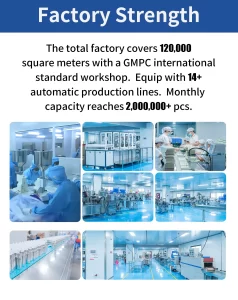
As a professional cosmetics OEM/ODM manufacturer based in Guangdong, we boast over 10 years of formula R&D experience, equipped with standardized laboratories and modern production facilities, and certified to ISO22716 and GMPC international standards. We offer one-stop services covering demand research, OEM formula development, testing & registration, and mass production & delivery.
If you are seeking a reliable partner for cosmetics manufacturer formula customization or professional OEM formula development services, please contact us today! We will tailor high-cost-effective beauty products based on your brand positioning and market needs, helping your brand quickly capture market share and achieve dual growth in sales and reputation!