
Launching a cosmetic brand is an exciting journey, but one decision can make or break your success: selecting the right manufacturer. Whether you’re a startup looking to launch your first product line or an established brand expanding into new categories, your manufacturing partner impacts everything—from product quality and compliance to cost efficiency and market speed. The cosmetic industry is flooded with OEM/ODM options, but finding a reliable, capable, and aligned manufacturer requires strategic research, clear requirements, and thorough vetting. In this guide, we’ll walk you through the entire process, from defining your needs to signing the contract, with actionable tips and industry insights.
Step 1: Define Your Needs Clearly (The Foundation of Success)
Before you start searching for manufacturers, you must have a crystal-clear understanding of your product and business goals. Vague requirements lead to miscommunication, delayed timelines, and products that don’t match your brand vision. Here’s what to clarify:
Product-Specific Details
- Category & Subcategory: Are you making skincare (moisturizers, serums, masks), 彩妆 (lipsticks, foundations, eyeshadows), haircare, or body care? Narrow it down—some manufacturers specialize in specific products (e.g., 诺斯贝尔 / Nox Bellcow is a global leader in mask production).
- Formulation Preferences: Do you need a ready-made formula (ODM) or want to customize a unique recipe (OEM)? Are there must-have ingredients (organic, vegan, cruelty-free) or restrictions (paraben-free, fragrance-free)?
- Quality & Price Positioning: Is your brand luxury, mid-range, or budget-friendly? This dictates the manufacturer’s 原料等级 (raw material quality), production standards, and cost structure.
- Packaging Requirements: Will the manufacturer handle packaging design, sourcing, and filling, or do you need a standalone production service?
Business Logistics
- Minimum Order Quantity (MOQ): Startups often need low MOQs (some manufacturers offer 500–1,000 units), while established brands may require large-scale production (e.g., 科丝美诗 / Cosmax handles both big brands and emerging labels).
- Timeline: When do you need samples? When is your target launch date?
- Compliance Needs: Which regions will you sell in? Ensure the manufacturer meets local regulations (e.g., EU’s EC 1223/2009, FDA standards for the US) and holds necessary certifications (ISO 22716, GMPC)[superscript:1superscript:3)].
Step 2: Source Potential Manufacturers (Proven Channels)
Now that you have a clear brief, it’s time to find manufacturers that align with your needs. Use these high-efficiency channels to build a list of candidates:
1. B2B Platforms (Most Accessible)
- Alibaba: The largest global marketplace for cosmetic manufacturers. Use keywords like “cosmetic OEM,” “skincare ODM,” or and filter by:
- Location (Guangzhou, Shanghai, South Korea, Italy—key production hubs)
- Business type (verified “manufacturers” vs. traders)
- Certifications (ISO 22716, GMPC)
- Established (prefer 5+ years for stability)
- Vertical Platforms: For more focused results, use industry-specific platforms like (cosmetics supply chain-focused) or (with a curated supplier database)[superscript:1)].
- International Directories: Thomasnet (for North American suppliers) or Cosmeticindex (global cosmetic-specific directory) are ideal for brands targeting Western markets.
2. Industry Trade Shows (Most Effective for In-Person Vetting)
Trade shows let you meet dozens of manufacturers in one place, inspect samples, and assess their professionalism firsthand. Top events include:
- China Beauty Expo (CBE): Held annually in Shanghai, Asia’s largest beauty exhibition with thousands of OEM/ODM factories.
- Guangzhou Beauty Expo: Twice a year (March/September), a hub for Chinese manufacturers.
- PCHi: Focuses on raw materials but also features leading formula houses and factories.
- International Shows: In-Cosmetics Global (Europe) or Cosmoprof North America for global suppliers.
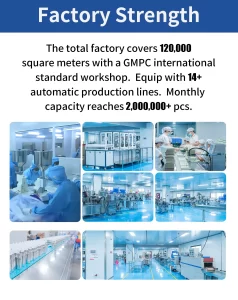
3. Industry Networks & Recommendations
- Associations: Contact the China National Beauty & Personal Care Association or local industry groups—they often provide verified supplier lists.
- Peer Referrals: Join cosmetic industry communities (LinkedIn groups, WeChat circles) and ask for recommendations. Word-of-mouth from fellow brand owners is highly reliable.
- Media & Reports: Follow industry publications like or —they regularly feature top manufacturers (e.g., / Intercos, a favorite of Dior and Chanel).
4. Search Engines & Official Websites
Use precise keywords like “Guangzhou cosmetic OEM,” “vegan skincare manufacturer,” or “Korean .” Visit manufacturer websites to check their:
- Client portfolio (do they work with brands similar to yours?)
- Production facilities (photos of cleanrooms, equipment)
- R&D capabilities (lab size, team expertise)[superscript:1superscript:2)].
Step 3: Vet Manufacturers (Critical Evaluation Criteria)
Once you have a list of 5–10 candidates, it’s time to narrow them down. This is where you separate reliable partners from risky ones. Focus on these non-negotiable factors:
1. Compliance & Certifications (Non-Negotiable)
- Core Credentials: Verify valid (for Chinese manufacturers) and international certifications like ISO 22716 (GMP for cosmetics) or FDA registration. Avoid manufacturers without clear documentation—non-compliant products can lead to legal issues and brand damage.
- Regulatory Expertise: Ask how they handle product (registration) for your target markets. A good manufacturer will guide you through the process to ensure legal sales.
2. Production & R&D Capabilities
- Facility Standards: Request photos or videos of production lines, cleanrooms (100,000+ grade is standard for cosmetics), and labs. For high-value products, prioritize manufacturers with advanced equipment (e.g., vacuum emulsifiers, automated filling machines)[superscript:4)].
- R&D Team: Do they have in-house chemists? Can they adjust formulas based on your feedback (e.g., changing texture, boosting efficacy)? Manufacturers like/ Kolmar (specialized in sensitive skin) or / Topfun (herbal skincare experts) have strong R&D teams.
- Quality Control (QC): Ask about their testing processes—do they conduct microbial, stability, and efficacy tests for each batch? Request sample test reports to verify consistency.
3. Experience & Reputation
- Client Case Studies: Ask for references or examples of brands they’ve worked with. If a manufacturer has partnered with reputable names (e.g., / Wanying Bio works with / Winona and / RUNBIAN), it’s a strong signal of quality.
- Online Reviews & Feedback: Check platform reviews (Alibaba, Goo
Factory Comparison: What a Real Audit Actually Checks
Most supplier directories hand you a list of names. Far fewer tell you what to verify once you are on a video call. This table maps the five audit checkpoints we use when we assess a partner factory, against the claims that usually appear in supplier marketing.
Audit checkpoint What a marketing page claims What you should see on a live call Red flag Production floor “Advanced facility” Clearly lit filling and capping lines, visible batch records Stocked showroom with no running line Good Manufacturing Practice “GMP certified” Current GMPC certificate matching the exact legal entity and address Certificate for a different factory or an expired date Lab / R&D “In-house formulation team” Stability chambers, pH meter, microbiology testing in progress Only blending and filling, no testing capability Traceability “Full traceability” Batch code that resolves to raw-material lots within minutes No batch coding on finished units Export documentation “We ship worldwide” Recent export declarations and FDA facility registration listing Willingness to ship only by courier sample Ask for the certificate number, then verify it against the issuing body. A valid certificate on paper is cheap; a matching address on a live video walkthrough is not.
Want numbers for your own product? Send us your target category,
packaging preference and estimated annual volume, and we will come back with a written quotation and MOQ options —
usually within one business day.gle) and industry forums for red flags (e.g., delayed deliveries, poor communication, inconsistent quality).
4. Communication & Service
- Responsiveness: Do they reply to inquiries within 24–48 hours? Slow communication is a warning sign for future collaboration.
- Transparency: Are they clear about pricing (no hidden fees), MOQs, and timelines? A reliable manufacturer will explain their process and set realistic expectations.
- Flexibility: Can they accommodate formula tweaks or packaging changes? Startups often need agility, so avoid rigid manufacturers.
Step 4: Deepen the Relationship (Samples, Factory Visits, Negotiation)
After narrowing your list to 2–3 top candidates, take these steps to confirm your choice:
1. Request Samples
Samples are the most direct way to test product quality. Ask for:
- Both standard samples (to assess base quality) and custom samples (to test your specific formula/packaging).
- Stability test results (how the product holds up under different temperatures and timeframes).
- Evaluate texture, scent, color, and performance—does it match your brand’s standards?
2. Conduct a Factory Audit (If Possible)
For large orders or high-stakes launches, a (on-site visit) is invaluable. Here’s what to check:
- Cleanliness & Organization: Are production lines, labs, and warehouses tidy? Do workers follow hygiene protocols?
- Equipment & Capacity: Is the facility equipped to handle your order size? Are machines well-maintained?
- Documentation: Ask to see certification originals, batch test records, and supplier contracts (to verify 原料溯源)[superscript:2)].
- Team Interaction: Talk to R&D, QC, and production teams—their expertise and communication skills reflect the manufacturer’s professionalism.
3. Negotiate Terms & Sign a Contract
Once you’re satisfied with a manufacturer, negotiate key terms and formalize the agreement:
- Pricing: Clarify unit cost, payment terms (e.g., 30% deposit, 70% before delivery), and bulk order discounts.
- Intellectual Property (IP): If you’re using a custom formula or design, include clauses to protect your IP and confidentiality.
- Quality Standards: Define acceptance criteria for products (e.g., texture, efficacy, packaging) and return policies for defective goods.
- Timelines: Specify sample delivery dates, production start/end dates, and shipping deadlines.
Step 5: Post-Selection Tips (Ensure Long-Term Success)
- Start with a Small Batch: Test the waters with a small production run before scaling up. This helps identify issues (e.g., consistency, packaging leaks) without large financial risks.
- Maintain Open Communication: Schedule regular check-ins with your account manager to stay updated on production progress.
- Monitor Compliance: As regulations evolve (e.g., new ingredient restrictions), confirm your manufacturer adapts their processes.
Final Checklist: How to Know You’ve Found the Right Manufacturer
✅ Holds ISO 22716, GMPC, or relevant local certifications.
✅ Specializes in your product category and meets your MOQ.
✅ Provides transparent pricing, timelines, and communication.
✅ Delivers high-quality samples that align with your brand.
✅ Passes on-site factory audit (or provides detailed documentation if remote).
✅ Offers flexible support for formula/packaging adjustments.
Conclusion
Finding the right cosmetic manufacturer is a strategic process that requires clarity, research, and due diligence. By defining your needs upfront, using proven sourcing channels, and vetting candidates thoroughly, you’ll partner with a manufacturer that not only meets your production requirements but also supports your brand’s growth. Remember: this is a long-term relationship—choose a partner who shares your commitment to quality, compliance, and innovation. With the right manufacturer by your side, you can turn your cosmetic vision into a successful product line that resonates with customers.
Ready to start your search? Begin with Alibaba or attend the next China Beauty Expo—you’ll be one step closer to launching your dream cosmetic brand!