
Looking for the best cosmetics manufacturer? This guide covers everything you need to know about choosing a reliable cosmetics manufacturer, from certification to quality control and pricing.
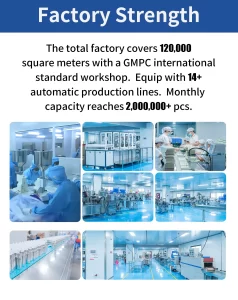
How to Choose a Reliable Cosmetics Manufacturer
Introduction:
The cosmetics industry is one of the fastest-growing sectors globally, with increasing demand for high-quality skincare, makeup, and personal care products. For businesses looking to produce their own cosmetics line, finding a reliable manufacturer is crucial for ensuring product quality, regulatory compliance, and a smooth supply chain. But how do you choose the right cosmetics manufacturer?
In this guide, we’ll walk you through the essential steps to selecting a trustworthy cosmetics manufacturer. Whether you’re a new beauty brand or an established company looking to expand your product line, this article will help you make an informed decision.
Why Choosing the Right Cosmetics Manufacturer is Crucial
Choosing a reliable cosmetics manufacturer is not just about getting the best prices. It impacts your brand’s reputation, product quality, and long-term success. Here’s why the selection process is so important:
-
Quality Assurance: A poor-quality product can damage your brand’s image. A reliable manufacturer will have rigorous quality control processes to ensure that every batch meets high standards.
-
Regulatory Compliance: Cosmetics are heavily regulated by authorities like the FDA, EMA, and other local agencies. A reputable manufacturer will be well-versed in these regulations and ensure that your products comply with the necessary laws.
-
Scalability: As your business grows, you’ll need a manufacturer that can handle increasing production volumes without compromising quality or delivery timelines.

Key Factors to Consider When Choosing a Cosmetics Manufacturer
1. Certifications and Compliance:
The first step in vetting a cosmetics manufacturer is to check for industry certifications. These certifications show that the manufacturer adheres to international standards and practices. Common certifications to look for include:
-
GMP (Good Manufacturing Practice): Ensures products are consistently produced and controlled to quality standards.
-
ISO (International Organization for Standardization): Validates the manufacturer’s management system.
-
FDA Registration (if in the U.S.): Confirms that the manufacturer complies with U.S. regulations for cosmetics.
2. Product Quality Control:
Ask the manufacturer about their quality control processes. A reputable manufacturer should have a robust system in place for testing and validating the quality of their products. This includes:
-
Raw Material Sourcing: Ensure that they use high-quality, safe ingredients.
-
Batch Testing: Regular testing of product batches to confirm consistency and safety.
-
Final Product Inspection: The final product should be tested for effectiveness, safety, and cosmetic appeal.
3. Capabilities and Product Range:
Does the manufacturer have the necessary capabilities to meet your needs? Some manufacturers specialize in specific types of cosmetics, like skincare or haircare, while others offer a wider range of products. Consider the following:
-
Formulation Expertise: If you need custom formulations, ensure the manufacturer has experienced chemists and R&D capabilities.
-
Packaging Options: The manufacturer should offer a variety of packaging options that align with your brand’s vision.
-
Private Label vs. Custom Formulation: Decide if you’re looking for off-the-shelf products (private label) or if you want to create a unique formulation.
4. Production Capacity and Lead Times:
The speed at which your products are produced and delivered is critical. Look for manufacturers with efficient production systems that can scale with your business growth. Ask about:
-
Minimum Order Quantities (MOQs): Some manufacturers have minimum order requirements. Make sure their MOQs align with your budget and business model.
-
Lead Time: Inquire about their average lead times, from placing the order to receiving the final product.

Types of Cosmetics Manufacturers: OEM vs. ODM
When you choose a cosmetics manufacturer, you’ll likely come across two types of services: OEM (Original Equipment Manufacturer) and ODM (Original Design Manufacturer).
-
OEM (Original Equipment Manufacturer): In this model, you provide your own product design, formula, and specifications. The manufacturer’s role is to produce the product according to your requirements. This is ideal for businesses looking to create a unique line of products.
-
ODM (Original Design Manufacturer): ODM manufacturers offer ready-made formulations and designs that you can brand with your logo. This is a cost-effective option for businesses looking to quickly enter the market with pre-formulated products.
How to Evaluate the Manufacturer’s Reputation and Experience
A cosmetics manufacturer’s reputation speaks volumes about their capabilities. Consider the following methods for evaluating their experience:
-
Client Testimonials and Reviews: Look for online reviews, case studies, or testimonials from other brands that have worked with the manufacturer. Positive reviews are a good sign of reliability.
-
Industry Experience: Manufacturers with years of experience in the cosmetics industry are more likely to understand the nuances of cosmetic production, regulatory requirements, and trends.
-
Samples and Trials: Request samples of their work to evaluate product quality and formulation.
Price and Cost Considerations
While cost should never be the only factor in choosing a manufacturer, it is still an important consideration. Here’s what to keep in mind:
-
Unit Price vs. Total Cost: Factor in both the unit price and any hidden costs, such as shipping, packaging, or setup fees.
-
Negotiation: Don’t be afraid to negotiate terms, especially if you’re committing to a long-term partnership.
-
Long-Term Value: Remember that quality and reliability will offer long-term value that goes beyond initial cost savings.
Communication and Customer Service
Effective communication is vital for a successful manufacturing partnership. Ensure that the manufacturer has:
-
Clear Communication Channels: You should be able to easily reach your account manager or project lead at any time.
-
Transparency: They should be transparent about their processes, pricing, and timelines.
-
Customer Support: Responsive customer support can help resolve issues quickly and maintain a smooth production process.
Steps to Get Started with a Cosmetics Manufacturer
-
Step 1: Research and Identify Potential Manufacturers: Use online directories, industry trade shows, and word of mouth to create a list of potential manufacturers.
-
Step 2: Contact and Request Quotes: Reach out to multiple manufacturers to compare pricing, capabilities, and lead times.
-
Step 3: Request Samples and Audit Quality: Ask for samples and perform audits to verify product quality.
-
Step 4: Sign a Contract: Once you’ve selected a manufacturer, sign a formal agreement outlining production timelines, pricing, and expectations.
Conclusion: Making the Right Choice
Selecting a reliable cosmetics manufacturer is crucial for the success of your brand. By considering factors such as certifications, quality control, capabilities, and price, you can find a manufacturer that meets your needs. Remember, the right partnership will help you deliver high-quality products to your customers and foster long-term business growth.
Call to Action:
Looking for a reliable cosmetics manufacturer? Contact us today to discuss your product needs and see how we can help bring your cosmetics line to life with quality and compliance!