
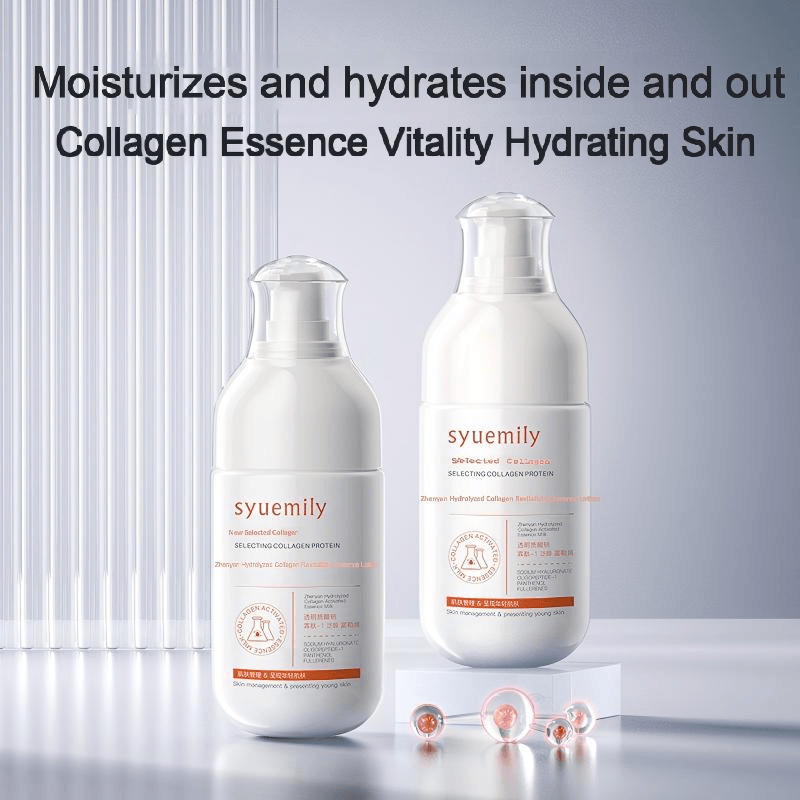
In the global cosmetics industry chain, Chinese manufacturers play an increasingly vital role, supplying not only the domestic market with quality products but also serving as key partners for international brands. Finding the “best cosmetics manufacturer” is not a simple task, as it depends on a brand’s specific needs, positioning, and strategic goals. This article provides a thorough analysis of the current state of China’s cosmetics manufacturing industry, its leading enterprises, and their core advantages, offering a comprehensive decision-making reference.
The Global Position and Importance of China’s Cosmetics Manufacturing Industry
Industry Scale and Growth Trends
China has become the world’s second-largest cosmetics consumer market and one of the most important cosmetics producers. According to data from the National Bureau of Statistics, the annual output value of China’s cosmetics manufacturing industry exceeds 500 billion RMB, maintaining a growth rate of over 10% per year. This growth stems not only from domestic consumption upgrades but also from significant improvements in technological innovation, quality control, and supply chain efficiency by Chinese manufacturers.
The Yangtze River Delta and Pearl River Delta regions have formed complete cosmetics industry clusters, covering the entire supply chain from raw material supply, packaging material production, R&D design, manufacturing, to logistics and distribution. This clustering effect enables Chinese manufacturers to provide one-stop solutions with higher efficiency and lower costs.
International Brands’ Reliance on Chinese Manufacturing
Over 60% of international beauty brands have production bases in China or have established cooperative relationships with Chinese manufacturers. Chinese-made cosmetics now comprehensively cover all market tiers, from mass-market affordable products to high-end luxury brands. Behind this extensive collaboration lies the outstanding capabilities of Chinese manufacturers in the following areas: quality control meeting international standards, flexible production line configuration, rapid market response speed, and continuous technological innovation.
Five Core Dimensions for Evaluating Cosmetics Manufacturers
R&D Innovation Capability and Technical Strength
Truly excellent manufacturers should not only produce according to specifications but also possess independent R&D capabilities and technological innovation strength. This includes:
Formula R&D Capability: Possession of independent R&D centers, professional scientific research teams, and extensive formula databases. Leading manufacturers typically maintain reserves of thousands of mature formulas and can rapidly develop new products based on market demands. They are familiar not only with traditional cosmetics formulations but are also engaged in cutting-edge fields such as natural organic ingredients, bioactive substances, and nanotechnology.
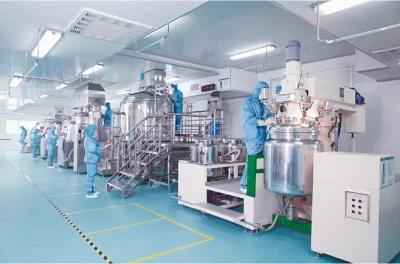
Production Technology and Equipment: Advanced production equipment is the foundation of quality assurance. Top manufacturers import fully automated production lines from countries like Germany and Italy, achieving full-process automated control from batching, emulsification, filling, to packaging. Clean rooms typically meet standards of 100,000-grade or higher, ensuring products remain uncontaminated during production.
Quality Control and Certification Systems
International Certification Status: Excellent Chinese manufacturers typically hold certifications such as ISO22716 (Cosmetics Good Manufacturing Practices), GMPC (US/EU Cosmetics Good Manufacturing Practices), and ISO9001 Quality Management Systems. Some enterprises targeting international markets also hold specialized qualifications like FDA registration, Halal certification, and COSMOS natural organic certification.
Full-Process Quality Control: Establishment of a comprehensive quality traceability system from raw material inbound inspection, production process monitoring, to finished product testing. Advanced laboratories equipped with precision instruments such as High-Performance Liquid Chromatographs (HPLC), Gas Chromatographs (GC), and stability test chambers can independently complete a full range of quality control items including microbial testing, heavy metal detection, and stability testing.
Production Scale and Supply Chain Management
Production Capacity Flexibility: Manufacturers capable of handling both large-volume orders and small-batch custom orders are more competitive. This requires highly modular and intelligent production lines, as well as elastic supply chain management capabilities.
Supply Chain Integration Capability: Top manufacturers typically establish long-term strategic partnerships with high-quality raw material suppliers both domestically and internationally, ensuring stable raw material quality and timely supply. Simultaneously, they have optimized solutions for packaging material procurement and logistics distribution, helping clients reduce overall costs.

In-Depth Analysis of China’s Top Cosmetics Manufacturers
Comprehensive Manufacturing Giants: Full Industry Chain Coverage
COSMAX China
As the Chinese branch of the Korean COSMAX, this company deeply integrates Korean beauty technology with the Chinese market. It has large production bases in Shanghai and Guangzhou, with over 300 R&D personnel and a reserve of more than 10,000 mature formulas. It holds significant advantages particularly in color cosmetics and skincare, serving clients including numerous international first-tier brands and domestic emerging brands.
Nox Bellcow
Specializing in ODM/OEM for masks and skincare products, it is one of China’s largest mask manufacturers. The company operates a modern factory spanning 160,000 square meters with a daily mask production capacity of 6.5 million pieces. Its R&D strength is outstanding, with deep expertise particularly in bio-fermentation technology and natural ingredient extraction. It has established cooperative relationships with over 200 domestic and international brands, exporting products to more than 40 countries and regions.
Specialized Manufacturers Focused on Specific Segments
Shanghai Zence Cosmetics Co., Ltd.
Focuses on R&D and manufacturing in the color cosmetics field, with significant advantages particularly in categories like lipstick, eyeshadow, and foundation. The company imports fully automated color cosmetics production lines from Italy and leads the industry in color development capability, enabling rapid response to market trends. It has deep collaborations with domestic color cosmetics dark horse brands such as Perfect Diary and Florasis.
Bawai Shares
Deeply entrenched in the skincare field, with unique advantages particularly in the R&D of natural organic cosmetics. The company operates an independent natural plant extraction laboratory and collaborates with multiple agricultural research institutions to develop specialty ingredients. Its production base is located in Guangzhou and has obtained multiple international certifications including EU GMPC and US FDA.
Comparative Analysis of Major Cosmetics Manufacturers
| Manufacturer Name | Focus Area | Core Advantages | International Certifications | Representative Client Types |
|---|---|---|---|---|
| COSMAX China | Full category (emphasis on skincare & color cosmetics) | Korean technical background, strong R&D team, vast formula library | ISO22716, GMPC, FDA registration | International first-tier brands, domestic leading brands |
| Nox Bellcow | Masks, Skincare products | Mask specialization, large-scale capacity, bio-fermentation technology | ISO22716, GMPC, Halal certification | Domestic/International mid-to-high-end brands, emerging brands |
| Shanghai Zence | Color Cosmetics | Strong color development capability, fast trend response, automated production lines | ISO22716, GMPC | Domestic color cosmetics dark horse brands, e-commerce brands |
| Bawai Shares | Skincare (Natural & Organic) | Natural ingredient R&D, plant extraction technology, sustainable development | COSMOS, GMPC, ISO22716 | Natural/organic brands, mid-to-high-end skincare brands |
How to Choose the Most Suitable Cosmetics Manufacturer: A Decision Framework
Clarifying Brand Needs and Manufacturer Match
Product Positioning Determines Manufacturing Choice: High-end luxury brands should focus on the manufacturer’s R&D capability, raw material quality, and refined production processes. Mass-market fast-fashion brands need to prioritize cost control, production efficiency, and supply chain responsiveness. Natural organic brands must verify the manufacturer’s ingredient sourcing, certification qualifications, and production process purity.
Minimum Order Quantity (MOQ) and Production Capacity Match: Emerging brands often require manufacturers with low MOQs to control initial inventory risks, while mature brands need to ensure manufacturers have sufficient capacity to handle sales peaks. Excellent manufacturers can provide flexible order solutions to meet the needs of brands at different development stages.
Key Points for On-site Visits and Supply Chain Audits
Production Facility On-site Evaluation: Beyond reviewing promotional materials, conducting on-site visits is essential. Key observations include: workshop cleanliness, equipment maintenance status, raw material storage conditions, and employee operational standardization. Also, inspect the equipment and records of the quality control laboratory to understand routine testing items and standards.
Supply Chain Transparency Verification: Require manufacturers to provide proof of origin and quality test reports for main raw materials, and understand their supply chain risk control measures. For products claiming to use special ingredients (such as rare plant extracts, bioactive ingredients), tracing back to the raw material supplier level is even more necessary.
Future Trends in China’s Cosmetics Manufacturing Industry
Technological Innovation Driving Industry Upgrade
Artificial intelligence, big data, and IoT technologies are gradually being applied to cosmetics R&D and production. Developing personalized formulas through AI algorithms analyzing skin data, monitoring production process parameters using IoT devices, and leveraging big data to predict market trends—these technological applications will further enhance the competitiveness of Chinese manufacturers.
The integration of biotechnology and cosmetics is also deepening. Cutting-edge sciences like fermentation engineering, stem cell technology, and microbiome research are being translated into driving forces for cosmetics innovation. Leading Chinese manufacturers have already begun R&D布局 in these areas, with breakthrough products expected in the coming years.
Sustainable Development Becoming a Core Competitiveness
Stricter environmental regulations and rising consumer awareness are pushing the cosmetics manufacturing industry toward green transformation. The best manufacturers not only use eco-friendly materials in products and packaging but also implement energy-saving and emission-reduction measures throughout the production process. Initiatives such as water recycling systems, solar power generation, and waste recycling are transforming from cost burdens into important considerations for brand partnerships.
Quality Control and Compliance: Essential Partner Factors Not to Be Overlooked
Supplier Comparison: How the Main Options Stack Up
When brands evaluate best cosmetics manufacturer in china: in-depth analysis of i suppliers, they tend to compare factory scale first and overlook the variables that actually decide whether a launch goes well. The table below weights the six factors we score, and shows where each type of supplier tends to win and lose.
| Factor | What good looks like | Large factory | Mid-size specialist | Small workshop |
|---|---|---|---|---|
| Formula flexibility | Adaptation without re-running a full R&D cycle | Low | High | High |
| Minimum order quantity | Low enough for a first commercial run | High | Low–medium | Low |
| Compliance documentation | Certificates and COAs match the legal entity | Strong | Adequate | Weak |
| Communication and lead time | Named contact, replies within 24 hours | Slow (multiple layers) | Fast | Fast but variable |
| Export experience | Ships to your destination market regularly | High | Medium | Low |
| Pricing at volume | Lowest per unit once MOQ is met | Best | Competitive | Not competitive |
Scale is not the same as fit. A mid-size specialist will usually beat a large factory on your first three production runs, because the commercial terms are set for brands rather than for corporate tender volume.
Want numbers for your own product? Send us your target category,
packaging preference and estimated annual volume, and we will come back with a written quotation and MOQ options —
usually within one business day.
Adaptability to International Regulations
As global cosmetics regulations converge, excellent manufacturers must be familiar with and adaptable to the regulatory requirements of different markets. This includes China’s “Cosmetics Supervision and Administration Regulations,” the EU’s Cosmetic Regulation (EC) No 1223/2009, and the US FD&C Act, among others. Manufacturers should possess the ability to customize compliant formulas and labels for different markets.
Product Quality Lifecycle Management
Full-cycle quality control from concept development to market withdrawal is a reflection of a manufacturer’s professionalism. This includes systematic work such as formula stability testing, packaging compatibility studies, usage safety assessments, and post-market quality feedback tracking. Choosing manufacturers that can provide complete quality documentation and continuous improvement plans reduces long-term cooperation risks.
Conclusion
China possesses the world’s most complete and diverse cosmetics manufacturing ecosystem. Manufacturers of different scales and specializations, from comprehensive giants to segment-specific experts, can meet the needs of various brands. Choosing the “best” manufacturer is not about finding the industry’s number one in rankings, but rather finding the partner that best aligns with your own brand positioning, development stage, and strategic objectives.
Before making a final decision, it is advisable to compare at least 3-5 candidate manufacturers, conduct on-site visits, sample testing, and in-depth negotiations. Additionally, consider establishing a long-term strategic partnership rather than a simple transactional relationship, as success in the cosmetics industry increasingly relies on deep synergy and co-innovation between brands and manufacturers.
As China’s cosmetics manufacturing industry continues to upgrade, its global competitiveness will further strengthen. For both domestic and international brands, partnering with excellent Chinese manufacturers is not only a choice for cost optimization but also a strategic decision for gaining market insights, accelerating product innovation, and achieving sustainable growth.