

Are you planning to launch your own cosmetics brand but feel confused when facing the choices of OEM and ODM? In this multi-billion dollar beauty industry, over 80% of emerging brands choose to enter the market through contract manufacturing.
However, selecting the wrong cooperation model can lead to product-market misfit, cost overruns, or even legal disputes. Understanding the core differences between Cosmetics OEM and ODM will directly impact whether your brand can establish itself in a fiercely competitive market.
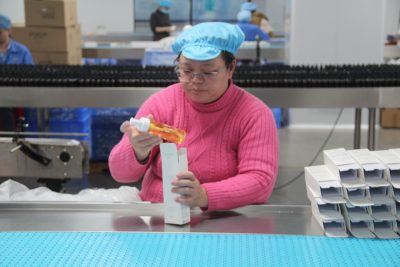
01 Core Concepts: An Analysis of Basic Cosmetic Contract Manufacturing Models
Before diving into the comparison, we first need to clarify what cosmetic OEM and ODM are. These two models form the foundation of the beauty industry’s supply chain, but their operating methods and applicable scenarios are completely different.
What is Cosmetic OEM?
OEM stands for “Original Equipment Manufacturer.” In the cosmetics industry, it refers to the “contract manufacturing” model. The brand owner possesses the complete product formula, packaging design, and market positioning. The manufacturer is solely responsible for production according to the brand’s specifications.
In this model, the brand controls every detail of the product. From the proportion of active ingredients to the material of the packaging bottle, from scent selection to skin feel adjustment, all decisions are made by the brand.
The manufacturer’s role is more like an “executor.” They provide standardized production equipment, facilities, and personnel to transform the brand’s ideas into tangible products. This model places higher demands on the brand’s R&D capabilities and product knowledge.
What is Cosmetic ODM?
ODM stands for “Original Design Manufacturer.” In the cosmetics field, it is often called a “one-stop solution.” Under this model, the manufacturer is responsible not only for production but also for the entire chain of services from formula development and packaging design to finished product manufacturing.
The brand acts more as a “selector” than a “creator.” They choose suitable products from the manufacturer’s existing portfolio of solutions, make some degree of customization, and then bring them to market under their own label.
The ODM model significantly lowers the barrier to entry for brands, especially suitable for emerging brands without a professional R&D team. Leveraging their extensive industry experience and economies of scale, manufacturers can provide proven, market-tested solutions.
02 Core Comparison: Seven Key Differences Between OEM and ODM
After understanding the basic definitions, we need to delve into the differences between these two models in practice. These differences will directly impact your brand strategy, cost structure, and market competitiveness.
R&D Ownership and Control Level
In Cosmetics OEM cooperation, the R&D ownership is entirely in the hands of the brand. The brand needs to invest resources in formula development, stability testing, and efficacy verification. The manufacturer is only responsible for executing the production tasks.
This model allows the brand to create unique product selling points and technological barriers, but it also requires the brand to have corresponding R&D capabilities or collaborate with independent R&D institutions.
In contrast, the ODM model transfers R&D work to the manufacturer. The brand selects products from an existing solution portfolio, potentially making minor adjustments such as scent, color, or packaging, but the core formula typically remains unchanged.
This model reduces the brand’s R&D burden but also limits product uniqueness, potentially leading to “homogenized” products in the market.
Cost Structure and Timeframe
The Cosmetics OEM model involves higher upfront investment but controllable long-term costs. The brand needs to bear one-time costs for formula development, raw material procurement, packaging design, etc., but the production process is transparent, and the cost structure is clear.
In terms of timeline, an OEM project from concept to finished product usually takes 6-12 months, depending on formula complexity and testing requirements.
The ODM model features lower entry barriers but potentially higher long-term costs. The brand does not need to bear R&D costs, only paying relatively low mold-opening fees and minimum order quantity costs.
Time-to-market is significantly shortened to 2-4 months because the manufacturer uses mature formulas and existing production lines. However, the brand has weaker control over production costs, and profit margins may be squeezed.
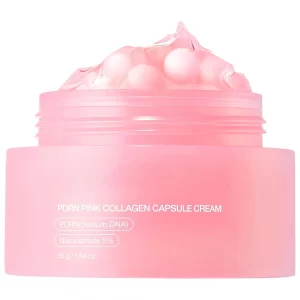
03 Selection Guide: How to Make Decisions Based on Brand Positioning
There is no absolutely “correct” choice, only the “suitable” choice. Your brand positioning, resource status, and market strategy should be the core basis for decision-making.
Brand Development Stage and Resource Assessment
Startup brands or companies with limited resources are often better suited to start with the ODM model. This approach allows you to test market response with lower costs and risks and quickly launch your first product line.
Once you have validated market demand and accumulated some capital, you can consider gradually transitioning to the Cosmetics OEM model to create more differentiated product lines.
Established brands or those focused on specific niches typically lean towards the OEM model. These brands have already established a clear product philosophy and technical expertise, needing complete control over formulas to ensure products align with brand promises.
They may possess patented ingredients or unique technologies. These core competencies need to be protected and embodied through the Cosmetics OEM model.
Market Positioning and Differentiation Strategy
If your brand is positioned in the mass market or fast-fashion beauty segment, ODM might be the more suitable choice. Such brands need to respond quickly to market trends and launch fashionable products at reasonable costs.
You can leverage the manufacturer’s trend forecasting capabilities and quick-response mechanisms to launch new collections each season, keeping the brand fresh.
Conversely, if the brand is positioned in the high-end, professional, or clean beauty sectors, the Cosmetics OEM model is more appropriate. Consumers in these segments have higher demands regarding ingredient sourcing, efficacy verification, and brand storytelling.
Through the OEM model, you can fully control ingredient selection, formulation logic, and efficacy testing, creating products that truly align with the brand’s philosophy.
04 Hybrid Models: New Cooperation Strategies for Contemporary Brands
With industry development, pure OEM or ODM models are being replaced by more flexible cooperation methods. Many brands are beginning to adopt hybrid strategies based on different product lines.
Differentiated Handling of Core Products and Seasonal Products
More and more established brands are adopting a hybrid strategy of “Cosmetics OEM for core products + ODM for seasonal products.” The brand’s core series, such as star serums or classic creams, use the OEM model to ensure consistent quality and formula uniqueness.
Seasonal limited editions, holiday gift sets, or trendy products use the ODM model to quickly respond to market hotspots, reducing development risks and inventory pressure.
Phased Transition Strategy
The development paths of many successful brands demonstrate a natural transition process from ODM to OEM. In the early stages of brand establishment, the ODM model is used to quickly enter the market and accumulate user feedback and brand awareness.
When the brand reaches a certain scale, it gradually builds an internal R&D team, converting best-selling products to the Cosmetics OEM model to optimize formulas and reduce costs. Meanwhile, it continues to use the ODM model to supplement the product line and maintain market activity.
This gradual transition balances brand development with resource constraints, reducing the risks of transformation.
05 Pitfall Avoidance Guide: Key Considerations for Choosing a Manufacturer
Regardless of the chosen model, the selection of a manufacturer is crucial. A reliable partner can become an accelerator for brand development, while a wrong choice can lead to disastrous consequences.
Certifications and Compliance Capabilities
In the Chinese market, cosmetic manufacturers must hold a “Cosmetics Production License” and comply with the “Cosmetics Supervision and Administration Regulations.” International brands should also pay attention to whether the factory has passed international certifications such as ISO22716 and GMPC.
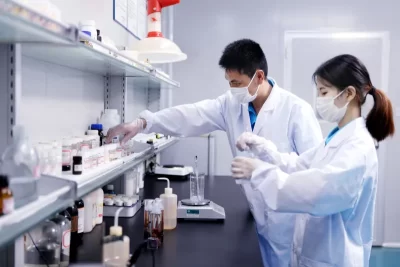
Checking the factory’s testing capabilities is equally important. An excellent manufacturer should be equipped with comprehensive testing facilities to conduct stability tests, microbial testing, and heavy metal detection, ensuring product safety and compliance.
Production Capabilities and Innovation Support
Examine the advanced level of the factory’s equipment and the flexibility of its production lines. High-end products may require vacuum emulsification equipment, sterile filling lines, or special packaging equipment, while mass-market products focus more on large-scale production efficiency.
For brands choosing the Cosmetics OEM model, evaluating the factory’s cooperation attitude and technical support capabilities is crucial. Are they willing to adjust processes according to your requirements? Do they provide pilot batches for market testing?
For the ODM model, focus on the manufacturer’s R&D strength and solution portfolio. Request to see their successful case studies and patented formulas. Understand if they continuously invest in R&D and can provide innovative solutions aligned with market trends.
06 Future Trends: The Evolving Direction of the Cosmetic Contract Manufacturing Industry
As consumer demands change and technology advances, cosmetic contract manufacturing models are also continuously evolving. Understanding these trends helps brands make forward-looking decisions.
Sustainability and Transparency Demands
More and more brands are requiring manufacturers to provide options for eco-friendly packaging, renewable raw materials, and carbon footprint data. Whether a manufacturer has established a sustainable supply chain has become an important criterion for brand selection.
Simultaneously, consumer demands for product transparency are pushing ODM factories to open their “black boxes.” Some leading ODM manufacturers are beginning to provide raw material traceability systems and production process visualization, enhancing the credibility of brand stories.
Small-Batch Customization and Flexible Production
Market segmentation and personalized demands have given rise to small-batch customization services. Traditional manufacturers might have minimum order quantities as high as tens of thousands of units, whereas now some new types of manufacturers can accept orders for thousands or even hundreds of units.
Flexible production technology allows for quick switching between different products on the same production line, enabling brands to manage inventory and respond to market changes more agilely. This is particularly suitable for DTC brands and influencer-led brands.
Whether you choose Cosmetics OEM or ODM, the key to a brand’s success always lies in a profound understanding of the target consumers and providing products that truly meet their needs.
The cooperation between an excellent brand and a manufacturer is never a simple client-contractor relationship but a co-creation process based on mutual understanding and respect. In this choice, there is no forever correct answer, only the path that best matches the brand’s current stage.
Clear self-awareness, coupled with a grasp of industry dynamics, is the foundation for making wise decisions.