
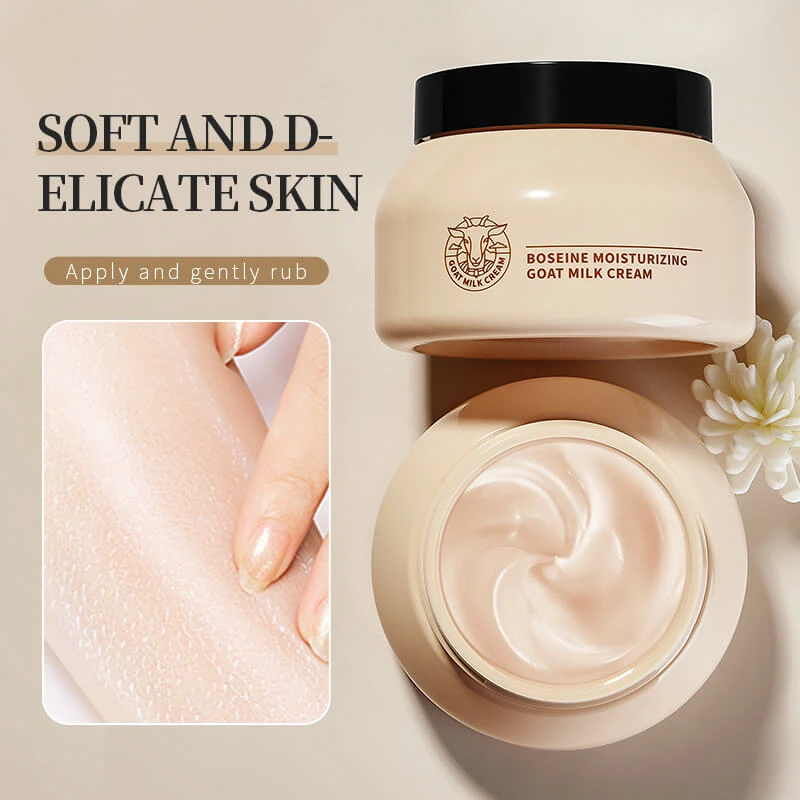
In-Depth Analysis: Why Singapore’s Climate Demands Special Skincare Solutions
Challenges and Impacts of Humid Weather on Skin
Located near the equator, Singapore experiences year-round high temperatures and humidity. This unique tropical climate poses multiple challenges for the skin. High temperatures stimulate the sebaceous glands, leading to excessive sebum production, which can easily clog pores and cause breakouts. Meanwhile, humidity levels exceeding 80% can help retain surface moisture but may also hinder the skin’s ability to breathe, potentially leading to congestion and “maskne” (mask-induced acne). Furthermore, intense ultraviolet (UV) radiation is a constant threat, resulting in a significantly higher risk of photoaging compared to temperate regions.
Common skin concerns in this environment include combination skin (oily T-zone with dry cheeks), sensitive skin (high heat and humidity can trigger dermatitis), hyperpigmentation (UV radiation stimulates melanin activity), and dehydrated oily skin (overproduction of oil to compensate for water loss). Understanding these climate-specific issues is the first step towards choosing the right skincare products.
How Singapore’s Water Quality Affects Your Skincare Results
An often-overlooked factor is Singapore’s tap water. While safe and clean, it is considered “hard water” due to higher concentrations of minerals like calcium and magnesium. Prolonged use of hard water for cleansing can leave a mineral film on the skin’s surface, hindering the absorption of subsequent skincare products and potentially leading to dryness and sensitivity. Additionally, when hard water interacts with soap-based cleansers, it can form “soap scum,” which may clog pores.
To address this, Singapore residents are advised to choose slightly acidic or neutral pH cleansers (pH 5.5-6.5), use gentle exfoliants regularly to remove mineral buildup, and apply toner immediately after cleansing to help restore the skin’s acid mantle. For particularly sensitive skin, consider installing a shower filter or using filtered/spring water for the final rinse.
Complete Guide to Choosing Skincare Products in Singapore
Selecting by Skin Type & Concern: A Complete List from Cleanser to Sunscreen
Essentials for Oily & Acne-Prone Skin:
-
Cleanser: Opt for gel-based cleansers containing Salicylic Acid (BHA), Tea Tree Oil, or Zinc. Local brand example: Yuja Skin’s Oil-Control Cleansing Gel.
-
Serum: Niacinamide (Vitamin B3) serums help regulate sebum production. *Example: The Ordinary Niacinamide 10% + Zinc 1% (available at Sephora Singapore).*
-
Moisturizer: Oil-free, gel-based moisturizers provide hydration without adding grease. Example: Dr. G Aqua Moisture Gel Cream.
-
Sunscreen: Lightweight, oil-free mineral or chemical sunscreens. *Example: Biore UV Aqua Rich Watery Essence SPF 50+ PA++++.*
Care Plan for Dry & Sensitive Skin:
-
Cleanser: Milky, cream, or oil-based cleansers. Local brand example: Suu Balm Gentle Wash & Shower.
-
Serum: Repairing serums with Hyaluronic Acid and Ceramides. Example: Asterwood Hyaluronic Acid Serum.
-
Moisturizer: Rich but non-sticky creams that reinforce the skin barrier. Example: Dr. Jart+ Ceramidin Cream.
-
Sunscreen: Physical (mineral) sunscreens to minimize chemical irritation. *Example: EltaMD UV Physical Broad-Spectrum SPF 41.*
In-Depth Review of Singapore’s Local Skincare Brands
Local Singaporean brands leverage their deep understanding of the tropical climate to create targeted products:
Yuja Skin: This emerging local brand focuses on “Tropical Skincare Science.” Its star product, the “Tropical Climate Repair Serum,” contains Sea Daffodil extract and Hyaluronic Acid, specifically designed to address skin barrier damage caused by humid heat. It’s affordably priced (S$25-40) and available on Shopee and their official website.
Suu Balm: Developed with input from Singapore’s National Skin Centre, this brand specializes in sensitive skin and eczema care. Its core ingredient is a patented sustained-release menthol formula that provides long-lasting itch relief. The product line is simple and effective, available at Guardian and Watsons pharmacies, as well as hospital pharmacies.
Sigi Skin: Founded by a Singaporean aesthetician, this brand champions “actives + sensory experience.” Its “Dawn Vitamin C Serum” uses a stable Vitamin C derivative combined with Camu Camu extract, maintaining stability in humid conditions while effectively combating dullness caused by the tropical climate.
Purchasing Channels & Value-for-Money Strategies
In-Store Shopping: A Map from Department Stores to Pharmacies
Singapore offers diverse shopping channels for skincare:
High-End Department Stores & Boutiques:
-
Sephora at Ngee Ann City, ION Orchard: Widest brand selection, offers free samples, often has exclusive sets.
-
Takashimaya Beauty Hall: Comprehensive range of Japanese brands like Shiseido and SK-II counters.
-
Brand Standalone Stores: Such as Lush, Kiehl’s, L’Occitane, often featuring exclusive products and gift services.
Pharmacies & Budget-Friendly Options:
-
Guardian & Watsons: Ubiquitous island-wide, extensive range of drugstore brands, frequent “Buy 1 Get 1” promotions.
-
Unity: Under NTUC, often more competitively priced than Guardian and Watsons.
-
Mustafa Centre: 24-hour operation, vast selection, strong price competitiveness, suitable for bulk purchases.
Online Shopping: Comparison of Singapore’s Best Skincare E-commerce Platforms
General Platforms:
-
Shopee & Lazada: Frequent promotions on official brand stores; discounts can reach 50% during major sales like 9.9 or 11.11.
-
Qoo10: Especially rich in Korean brands like Innisfree, Etude House.
Specialist Beauty Platforms:
-
Sephora.sg: Excellent membership program with double points during birthday month, redeemable for full-sized products.
-
Luxola (now under Sephora): Focuses on niche brands like Drunk Elephant, Sunday Riley.
Brand Official Websites:
-
Direct purchases often feature the latest product launches; subscribing to newsletters can yield exclusive discount codes.
-
Some brands offer free shipping to Singapore, e.g., The Ordinary with orders over S$40.
Singapore-Specific Skincare Techniques & Common Myths
Skincare Strategies for Air-Conditioned Environments
The temperature difference between indoors and outdoors in Singapore can exceed 10°C. This frequent fluctuation puts significant stress on the skin, easily leading to “air-con skin”—a state of surface dryness coupled with underlying dehydration. Coping strategies include:
-
Desk Skincare Kit: Keep a small facial mist (e.g., Avene Thermal Spring Water), a light moisturizer, and hand cream at your office desk. Reapply every 3-4 hours.
-
Temperature Transition Technique: When moving from outdoors to an air-conditioned space, pause for a few minutes in a transitional area (like a corridor) to allow your skin to adjust gradually.
-
Enhanced Nighttime Repair: Use a slightly richer night cream or add 1-2 drops of facial oil to your routine when sleeping in an air-conditioned bedroom.
Debunking Common Local Skincare Myths
Myth 1: Humid climates don’t require moisturizer.
Truth: In high heat and humidity, skin water loss through transpiration is higher, and air-conditioning exacerbates dryness. Choose products that are “hydrating but non-greasy,” like water-based hydrating serums.
Myth 2: Sunscreen is only needed outdoors.
Truth: UVA rays penetrate glass. You need protection even at a window-side desk indoors. Opt for a daily moisturizer with SPF 30+ or a lightweight sunscreen.
Myth 3: Frequent washing controls oiliness.
Truth: Over-cleansing strips the skin’s natural lipid barrier, causing “reactive sebum production” (the more you wash, the oilier it gets). Limit cleansing to twice daily. Use blotting paper or a water splash at midday instead.
Myth 4: Natural ingredients are always suitable for tropical climates.
Truth: Some natural oils (e.g., coconut oil) can be comedogenic (pore-clogging) in humid environments. Evaluate a product by its overall formulation, not just single ingredients.
Expert Advice & Innovative Trends
Professional Advice from Dermatologists for Singapore Residents
Experts from Singapore’s National Skin Centre recommend:
-
Simplify Your Routine: In humid heat, “less is more.” A basic routine is: gentle cleanser → targeted serum → lightweight moisturizer → sunscreen. Too many layers can suffocate the skin.
-
Seasonal Adjustments: While Singapore lacks distinct seasons, February-April is relatively drier (increase hydration); May-June and November-January are monsoon seasons with higher humidity (reduce oily products).
-
Regular Professional Assessment: Get a skin check annually to understand changes. Many clinics like Cambridge Medical Group offer affordable skin assessment services.
Singapore’s Skincare Technology & Innovation Trends
Singapore is emerging as a hub for skincare tech R&D:
Personalized Skincare: Local company Yao Cosmetic offers skin genetic testing, analyzing genetic markers to recommend the most suitable active ingredients for an individual.
Sustainable Packaging: In response to the Singapore Green Plan, brands like Sigi Skin are adopting recyclable packaging and refill systems to reduce plastic waste.
Tropical-Adapted Formulations: Research institutions are collaborating with brands to develop heat- and humidity-stable versions of active ingredients like Vitamin C and Retinol, which are prone to degradation in tropical conditions.
Frequently Asked Questions (FAQ)
Q: What are the most worthwhile duty-free skincare purchases in Singapore?
A: Changi Airport’s duty-free shops offer significant savings (typically 15-20% cheaper than downtown boutiques) on brands like SK-II, La Mer, and Clé de Peau Beauté. Local brands like Yuja Skin and Sigi Skin also make excellent souvenirs to buy before departure.
Q: How to build an effective skincare routine in Singapore on a budget?
A: 1) Invest in a good sunscreen (non-negotiable); 2) Choose multi-tasking products, like a moisturizer with SPF; 3) Watch for promotions at Guardian and Watsons for value sets; 4) Consider affordable Korean brands like Cosrx, known for high efficacy and suitability for Asian skin types.
Q: How to tell if a product is suitable for Singapore’s climate?
A: Look for texture descriptors like “lightweight,” “gel-based,” “oil-free.” Avoid products heavily based on mineral oil or petroleum jelly (can be pore-clogging in humidity). Choose products labeled “non-comedogenic.”
Q: Are there special skincare considerations for men in Singapore?
A: Men’s skin is generally thicker and produces more oil, requiring deeper-cleansing yet lightweight hydrating products. Local brands like Imperial offer male-specific lines, and Guardian/Watsons have dedicated men’s skincare sections.