
The global beauty industry relies heavily on cosmetics manufacturers to bring innovative, high-quality products to market. From skincare and makeup to haircare and personal care items, manufacturers play a critical role in transforming brand visions into tangible products. China, in particular, has emerged as a leading hub for cosmetics manufacturing, offering a unique combination of advanced technology, cost-effectiveness, and flexibility that caters to brands of all sizes—from startups to multinational corporations.
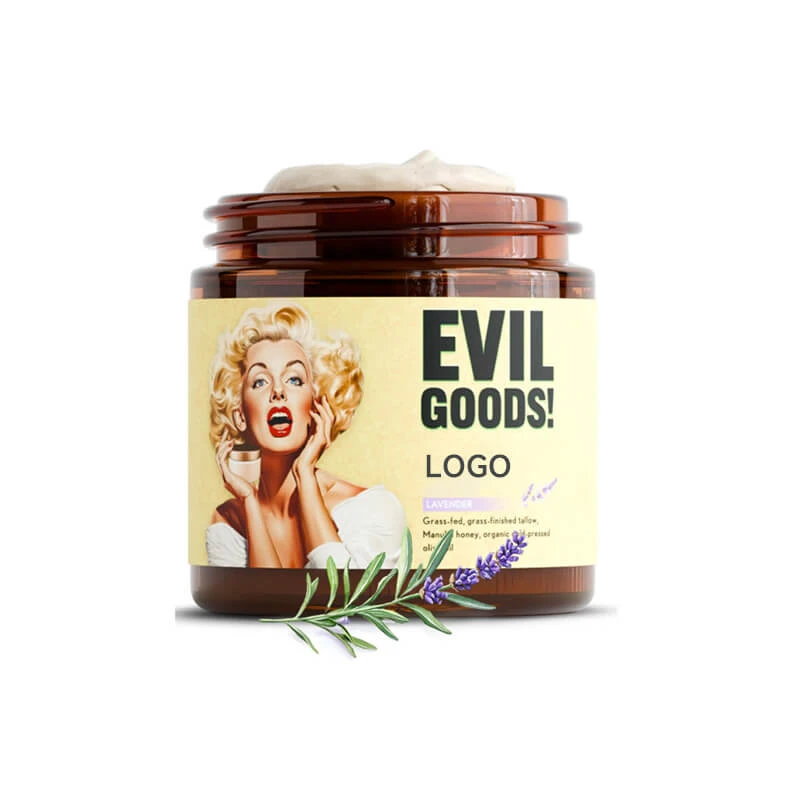
At the heart of China’s cosmetics manufacturing success is Guangzhou, a city renowned for its state-of-the-art facilities and expertise in both OEM (Original Equipment Manufacturing) and ODM (Original Design Manufacturing) services. OEM allows brands to produce products using existing formulations, while ODM enables full customization—from product design and formulation to packaging and branding. This versatility makes Chinese manufacturers an ideal partner for brands looking to launch new products or expand their existing lines.
Quality control is a top priority for reputable cosmetics manufacturers. In China, many facilities hold international certifications such as GMP (Good Manufacturing Practice), ISO 22716, and FDA registration, ensuring that products meet strict safety and quality standards. These certifications are crucial for brands targeting global markets, as they demonstrate compliance with regulations in regions like the EU, US, and Southeast Asia. Additionally, manufacturers invest in advanced testing labs to conduct microbiological, stability, and efficacy tests, guaranteeing that products are safe and effective for consumers.
Another key advantage of working with cosmetics manufacturers in China is access to a vast and efficient supply chain. From natural ingredients like green tea extract and aloe vera to synthetic compounds and active ingredients, manufacturers can source high-quality materials at competitive prices. This supply chain efficiency allows brands to reduce production costs without compromising on quality, making their products more competitive in the global market.
Flexibility is also a hallmark of Chinese cosmetics manufacturers. They offer low Minimum Order Quantities (MOQs), which is particularly beneficial for small brands and startups that want to test the market without overinvesting in inventory. Many manufacturers also provide end-to-end services, including product design, packaging, labeling, and logistics, streamlining the production process and saving brands time and resources.
Sustainability is an increasingly important factor in the beauty industry, and Chinese manufacturers are adapting to meet this demand. Many facilities are adopting eco-friendly practices, such as using recyclable packaging, reducing water and energy consumption, and implementing cruelty-free testing methods. These sustainable practices not only align with global consumer trends but also help brands build a positive reputation and attract environmentally conscious customers.
When choosing a cosmetics manufacturer, it’s essential to consider factors such as production capacity, R&D capabilities, and client testimonials. Guangzhou-based manufacturers, in particular, stand out for their ability to handle both large-scale production and niche, custom projects. They also have English-speaking teams that can communicate effectively with international brands, ensuring that projects run smoothly and meet expectations.
In conclusion, cosmetics manufacturers are the backbone of the beauty industry, and China’s manufacturers offer a compelling combination of quality, cost-effectiveness, and flexibility. Whether you’re a small startup or a large brand, partnering with a reputable Chinese manufacturer can help you bring innovative products to market faster and more efficiently. By prioritizing quality, sustainability, and customer service, these manufacturers are helping brands succeed in the competitive global beauty market.