
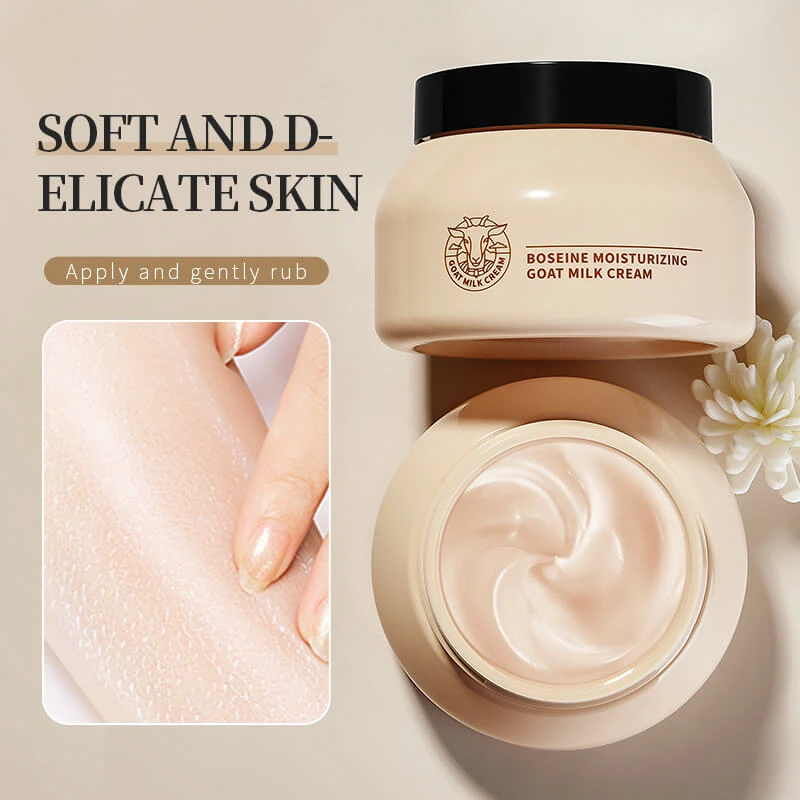
Introduction: Why China is the Global Hub for Cost-Effective Cosmetics Manufacturing
China’s cosmetics manufacturing industry has grown exponentially over the past decade, accounting for 28% of global production and offering cost advantages of 30–50% compared to Western facilities. For brands looking to optimize their budget without compromising quality, understanding cosmetics manufacturing cost in China is critical. This guide breaks down every expense component, from raw materials to logistics, and provides actionable strategies to reduce costs while maintaining compliance.
1. Core Cost Components of Cosmetics Manufacturing in China
To accurately budget for your project, you need to understand the key cost drivers. Here’s a detailed breakdown:
1.1 Raw Material Costs: The Foundation of Your Budget
Raw materials typically account for 30–40% of total manufacturing costs. China’s access to affordable ingredients (e.g., hyaluronic acid, plant extracts) is a major advantage. For example, a 1kg batch of moisturizer may cost $15–$30 in raw materials, depending on ingredient quality (organic vs. synthetic).
1.2 Labor Costs: Skilled Workforce at Competitive Rates
Labor costs in China are 50–70% lower than in the U.S. or EU. A production line worker earns $300–$500/month, while a quality control specialist earns $800–$1,200/month. This translates to $0.50–$1.50 per unit in labor costs for most products.
1.3 Packaging & Labeling: Balancing Cost and Branding
Packaging costs vary widely based on material (glass vs. plastic) and design complexity. A basic plastic bottle may cost $0.10–$0.30, while a custom glass jar with embossing can cost $1–$3. Labeling adds $0.05–$0.20 per unit.
1.4 Regulatory & Compliance Costs: Non-Negotiable Expenses
China’s化妆品监督管理条例 (Cosmetics Supervision and Administration Regulation) requires product testing, registration, and GMP certification. These costs range from $1,000–$5,000 per product, depending on complexity.
2. How to Calculate Your Exact Manufacturing Costs
Use this step-by-step method to estimate your total costs:
2.1 Step 1: Define Product Specifications
Detail your product type (e.g., serum, lipstick), ingredients, packaging, and order volume. For example: 10,000 units of a 30ml vitamin C serum with a plastic pump bottle.
2.2 Step 2: Get Quotations from Multiple Manufacturers
Request detailed quotes from 3–5 manufacturers, including breakdowns for raw materials, labor, packaging, and logistics. Compare quotes to identify the best value.
2.3 Step 3: Factor in Hidden Costs
Don’t forget to include shipping ($0.50–$2 per unit), customs duties (5–15% of product value), and quality control inspections ($500–$2,000 per batch).
3. Strategies to Reduce Cosmetics Manufacturing Costs in China
Here are proven ways to lower your costs without sacrificing quality:
3.1 Optimize Order Volume: The Power of Economies of Scale
Increasing your order volume from 1,000 to 10,000 units can reduce per-unit costs by 20–30%. Most manufacturers offer tiered pricing for larger orders.
3.2 Simplify Packaging Design
Choose standard packaging sizes and avoid custom molds. For example, using a stock plastic bottle instead of a custom glass jar can save $0.50–$1 per unit.
3.3 Negotiate Raw Material Prices
Work with manufacturers that source raw materials in bulk. They can often negotiate lower prices with suppliers, passing the savings to you.
3.4 Streamline Production Processes
Ask manufacturers about lean manufacturing practices (e.g., just-in-time inventory) to reduce waste and improve efficiency.
4. Common Mistakes to Avoid When Calculating Costs
Avoid these pitfalls to prevent budget overruns:
4.1 Underestimating Regulatory Costs
Failing to account for product testing and registration can add $5,000–$10,000 to your budget. Always include these costs in your initial estimate.
4.2 Choosing the Cheapest Manufacturer
A manufacturer offering prices 20% lower than competitors may cut corners on quality or use substandard ingredients. Prioritize value over the lowest price.
4.3 Ignoring Logistics Costs
Shipping and customs duties can add 10–20% to your total costs. Factor these in when comparing quotes.
5. Case Study: Real-World Cost Breakdown for a Skincare Product
Let’s analyze the costs for 10,000 units of a 50ml facial serum:
Raw materials: $2,500 ($0.25 per unit)
Labor: $1,000 ($0.10 per unit)
Packaging: $1,500 ($0.15 per unit)
Regulatory: $2,000 ($0.20 per unit)
Logistics: $1,000 ($0.10 per unit)
Total: $8,000 ($0.80 per unit)
This example shows how each component contributes to the final cost.
6. How to Choose a Manufacturer That Offers the Best Value
When selecting a manufacturer, consider these factors:
6.1 Certifications and Compliance
Choose a manufacturer with GMP, ISO 22716, and FDA certifications. This ensures your products meet international safety standards.
6.2 Transparency in Pricing
A reliable manufacturer will provide a detailed cost breakdown, including all hidden fees. Avoid manufacturers that give vague quotes.
6.3 Communication and Support
Look for manufacturers with English-speaking staff and responsive communication. This will help avoid misunderstandings and delays.
Conclusion: Maximize Savings Without Compromising Quality
Understanding cosmetics manufacturing cost in China is key to building a profitable brand. By breaking down costs, negotiating effectively, and choosing the right manufacturer, you can reduce expenses by 30–50% compared to Western facilities.
Ready to get started? Request a free cost estimate today. Our team will help you optimize your budget and bring your product to market quickly.
FAQs
Q1: What is the average cost of manufacturing cosmetics in China?
A: The average cost ranges from $0.50–$5 per unit, depending on product complexity and order volume.
Q2: How can I reduce packaging costs?
A: Use standard packaging sizes, avoid custom designs, and order in bulk.
Q3: Are there hidden costs I should be aware of?
A: Yes, including shipping, customs duties, and product testing. Always ask manufacturers for a detailed breakdown.
Q4: How long does it take to manufacture cosmetics in China?
A: 4–12 weeks, depending on product complexity and order volume.
Q5: Can I visit the manufacturer’s facility before placing an order?
A: Yes, most reputable manufacturers welcome factory visits to inspect their processes.
Call to Action
Get a free cost estimate for your cosmetics project.
Chat with our cost experts on WhatsApp to discuss your budget.
Download our free guide: “10 Ways to Reduce Cosmetics Manufacturing Costs in China.”
View our cost-effective manufacturing projects.
Subscribe to our newsletter for exclusive cost-saving tips and industry updates.
Remember, the key to success is partnering with a reliable manufacturer that offers transparent pricing and quality assurance. We’re here to help you every step of the way!