
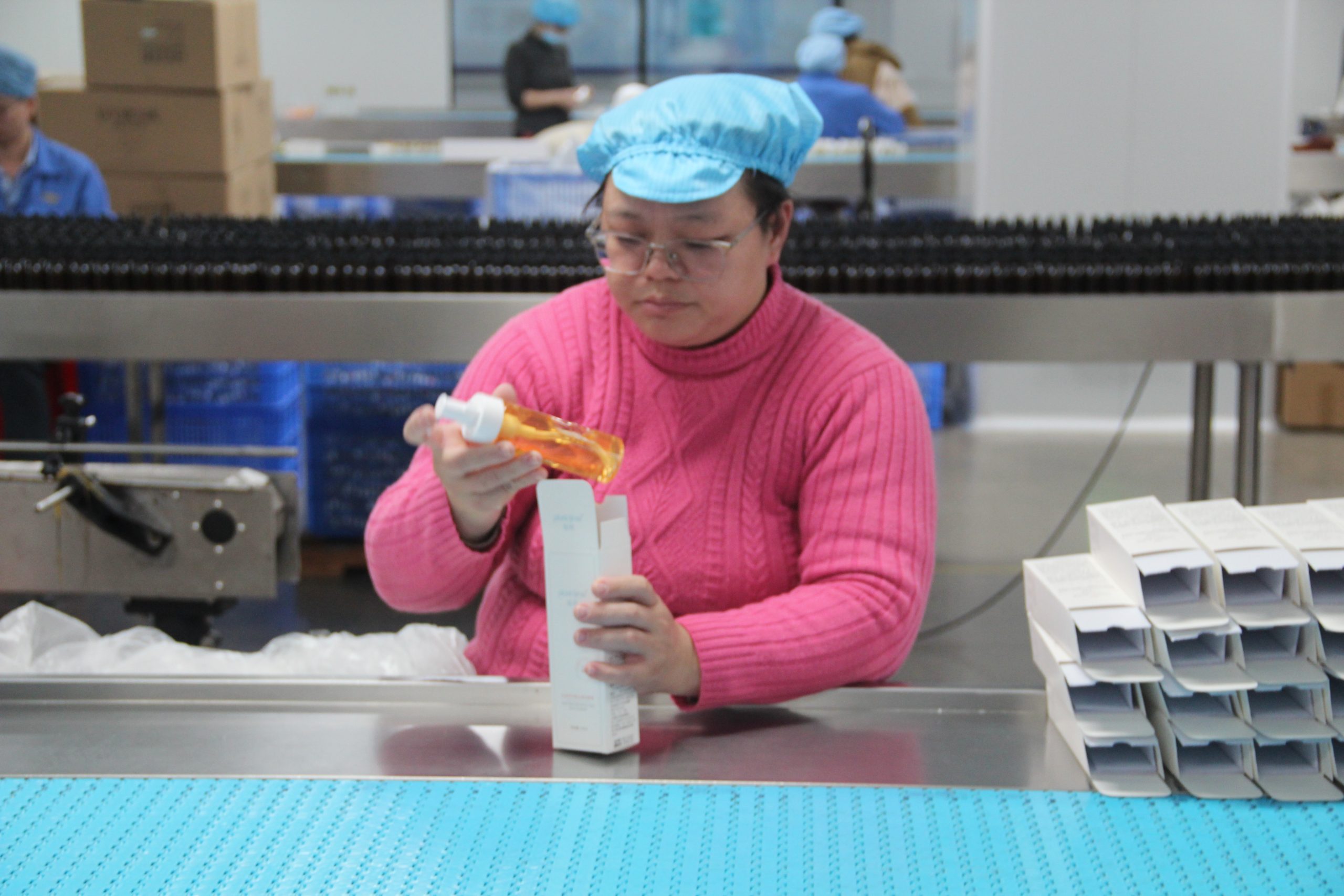
1.1 Why China is the Global Hub for Cosmetics Manufacturing
China has emerged as the world’s leading cosmetics manufacturing hub, accounting for over 30% of global production. The combination of low labor costs, advanced production facilities, and a robust supply chain makes it an attractive destination for brands worldwide. According to Statista, the Chinese cosmetics manufacturing industry is projected to reach $100 billion by 2025, driven by domestic demand and export growth.
1.2 Key Factors Influencing Cosmetics Manufacturing Costs in China
Several factors impact the cost of manufacturing cosmetics in China, including raw material prices, labor costs, regulatory compliance, and logistics. Understanding these factors is crucial for brands looking to optimize their production costs and maintain competitiveness in the global market.
Raw Material Costs: The Foundation of Cosmetics Manufacturing
2.1 Major Raw Materials Used in Cosmetics Production
Cosmetics manufacturing relies on a variety of raw materials, including oils, emulsifiers, preservatives, fragrances, and active ingredients. The cost of these materials can vary significantly based on quality, source, and market demand. For example, natural ingredients like shea butter or argan oil are often more expensive than synthetic alternatives.
2.2 Sourcing Strategies to Reduce Raw Material Costs
To minimize raw material costs, manufacturers in China often source materials locally or from neighboring countries. Bulk purchasing, long-term supplier contracts, and vertical integration are common strategies to secure competitive prices. Additionally, some manufacturers invest in research and development to create cost-effective alternatives to expensive ingredients.
Labor Costs in Chinese Cosmetics Manufacturing
3.1 Average Labor Costs in Cosmetics Factories
Labor costs in China have been rising steadily over the past decade, but they still remain lower than in many Western countries. The average monthly wage for a cosmetics factory worker in Guangzhou is around $400-$600, depending on experience and skill level. This is significantly lower than the $2,000-$3,000 average in the United States or Europe.
3.2 Automation and Labor Efficiency
Many cosmetics manufacturers in China are investing in automation to reduce labor costs and improve efficiency. Automated production lines can handle tasks like filling, labeling, and packaging, reducing the need for manual labor. This not only lowers costs but also improves product consistency and quality.
Regulatory Compliance and Quality Control Costs
4.1 Chinese Cosmetics Regulations and Standards
China has strict regulations for cosmetics manufacturing, including the “Regulations on the Supervision and Administration of Cosmetics” implemented in 2021. These regulations require manufacturers to comply with safety standards, ingredient labeling, and product testing. Non-compliance can result in fines, product recalls, or even factory closures.
4.2 Quality Control Measures and Costs
To ensure compliance and product quality, manufacturers invest in quality control measures such as raw material testing, in-process inspection, and final product testing. These measures add to the overall manufacturing cost but are essential for building consumer trust and avoiding regulatory issues.
Logistics and Distribution Costs
5.1 Domestic and International Logistics Networks
China has a well-developed logistics network, including ports, airports, and highways, which facilitates the transportation of raw materials and finished products. However, logistics costs can vary depending on the location of the factory and the destination of the products. For example, shipping products from Guangzhou to Europe may cost more than shipping to Southeast Asia.
5.2 Strategies to Optimize Logistics Costs
Manufacturers can optimize logistics costs by consolidating shipments, using efficient transportation modes, and negotiating favorable rates with logistics providers. Additionally, some manufacturers choose to locate their factories near major ports or transportation hubs to reduce transportation time and costs.
Case Studies: Cosmetics Manufacturing Costs in China
6.1 Case Study 1: A Small-Scale Cosmetics Brand
A small-scale cosmetics brand based in the United States decided to manufacture its products in China to reduce costs. By working with a contract manufacturer in Guangzhou, the brand was able to reduce its production costs by 40% compared to manufacturing in the U.S. The savings were primarily due to lower labor costs and access to affordable raw materials.
6.2 Case Study 2: A Large Multinational Cosmetics Company
A large multinational cosmetics company has been manufacturing in China for over 20 years. The company has invested in state-of-the-art production facilities and has a vertically integrated supply chain, which allows it to control costs and ensure product quality. By leveraging its scale and local expertise, the company has been able to maintain a competitive edge in the global market.
How to Choose a Cosmetics Manufacturer in China
7.1 Key Criteria for Selecting a Manufacturer
When choosing a cosmetics manufacturer in China, brands should consider factors such as experience, production capacity, quality control measures, and regulatory compliance. It is also important to visit the factory in person to assess its facilities and operations.
7.2 Due Diligence and Contract Negotiation
Before signing a contract with a manufacturer, brands should conduct due diligence to verify the manufacturer’s credentials and track record. This includes checking references, reviewing quality control reports, and negotiating clear terms and conditions in the contract.
Future Trends in Cosmetics Manufacturing Costs in China
8.1 Impact of Technology on Manufacturing Costs
Advancements in technology, such as artificial intelligence, machine learning, and 3D printing, are expected to have a significant impact on cosmetics manufacturing costs in China. These technologies can improve efficiency, reduce waste, and enable personalized product manufacturing.
8.2 Sustainability and Green Manufacturing
Sustainability is becoming an increasingly important factor in cosmetics manufacturing. Consumers are demanding eco-friendly products, and manufacturers are responding by adopting green manufacturing practices. This includes using renewable energy, reducing waste, and using sustainable packaging. While these practices may initially increase costs, they can also improve brand reputation and attract environmentally conscious consumers.
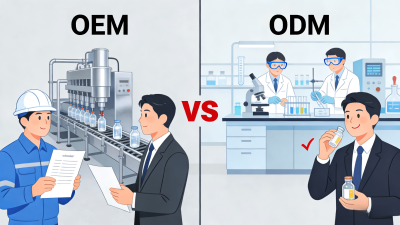
Conclusion: Is Cosmetics Manufacturing in China Right for Your Brand?
Cosmetics manufacturing in China offers significant cost advantages, but it also comes with challenges such as regulatory compliance and quality control. Brands should carefully evaluate their needs and consider factors such as production volume, product complexity, and target market before deciding to manufacture in China. By working with a reputable manufacturer and implementing effective cost optimization strategies, brands can leverage China’s manufacturing capabilities to grow their business and achieve success in the global market.
Call to Action (CTA)
Interested in learning more about cosmetics manufacturing costs in China? Contact us today for a free consultation. Our team of experts can help you understand the costs involved and develop a customized manufacturing plan for your brand. WhatsApp: +86 134 8026 8601
Ready to start manufacturing your cosmetics in China? Request a quote from our contract manufacturing services. We offer competitive pricing, high-quality production, and reliable delivery. WhatsApp: +86 134 8026 8601
Want to stay updated on the latest trends in cosmetics manufacturing? Subscribe to our newsletter for exclusive insights and industry news. WhatsApp: +86 134 8026 8601
Looking for a trusted cosmetics manufacturer in China? Visit our website to learn more about our services and capabilities. WhatsApp: +86 134 8026 8601
Have questions about cosmetics manufacturing in China? Reach out to our customer support team via WhatsApp. We are here to help you every step of the way. WhatsApp: +86 134 8026 8601