
In the $511 billion global cosmetics market, standing out requires more than just a great idea—it demands high-quality, tailored products that resonate with modern consumers. For brands looking to launch or expand their product lines without investing in expensive manufacturing facilities, Cosmetics OEM (Original Equipment Manufacturing) has emerged as the game-changing solution. This comprehensive guide will walk you through everything you need to know about Cosmetics OEM, from industry trends and benefits to selecting the right manufacturer and driving successful collaborations. Whether you’re a startup entrepreneur or an established brand aiming for global expansion, this guide is your roadmap to leveraging Cosmetics OEM for sustainable growth and increased profitability.
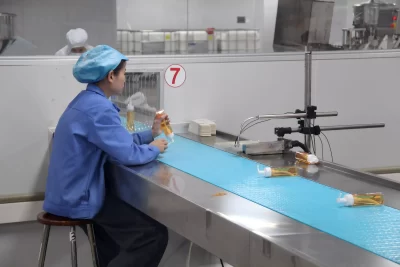
1. What Exactly Is Cosmetics OEM?
1.1 Defining Cosmetics OEM
1.2 Cosmetics OEM vs. Private Label: Key Differences
|
Feature
|
Cosmetics OEM
|
Private Label
|
|
Formula Customization
|
Full control over formulation development
|
Pre-existing formulas with minimal adjustments
|
|
Speed to Market
|
8-12 weeks (end-to-end development)
|
4-6 weeks (ready-to-go formulas)
|
|
Investment Level
|
Moderate to high (ideal for established brands/scalable startups)
|
Low (ideal for test launches and budget-conscious brands)
|
|
Brand Differentiation
|
Unique, exclusive products tailored to your brand identity
|
Custom branding with standardized product performance
|
|
R&D Involvement
|
Collaborative creation with manufacturer’s lab team
|
Minimal—formulas pre-tested and validated
|
2. Why Cosmetics OEM Is a Strategic Choice for Modern Brands
2.1 Low Capital Investment, High ROI
2.2 Access to Cutting-Edge Technology & Expertise
2.3 Scalability & Flexibility
2.4 Regulatory Compliance & Global Market Access
3. Top Cosmetics OEM Trends Shaping 2025
3.1 Clean Beauty & Sustainable Manufacturing
- Use of biodegradable packaging (e.g., sugarcane-based bottles, bamboo caps)
- Carbon-neutral production facilities (targeted by 60% of top OEMs by 2027)
- Waterless formulations (reducing water usage by up to 90% in production)
3.2 Functional & Targeted Formulations
- Bioactive ingredients (e.g., recombinant collagen, probiotics, plant stem cells)
- Micro-encapsulation technology (for controlled ingredient release)
- Customized solutions for specific skin concerns (e.g., “sensitive skin cosmetics OEM” “acne-prone skin OEM formulations”)
3.3 AI-Powered Customization
- Analyze consumer data to identify unmet needs (e.g., “men’s anti-aging cosmetics OEM” is a fast-growing segment)
- Optimize formulas for efficacy and stability
- Predict market trends to guide product development
3.4 Cross-Border E-Commerce Readiness
- Small-batch production for DTC test launches
- Custom packaging optimized for shipping (e.g., leak-proof, compact designs)
- Compliance with cross-border regulations (e.g., RCEP, EU-U.S. Trade and Technology Council standards)
4. Cosmetics OEM Services: What to Expect from a Top Manufacturer
4.1 Formula Development & R&D
- Collaborative formula creation (based on brand goals, target audience, and budget)
- Ingredient sourcing (including premium, organic, and specialty ingredients)
- Stability testing (ensuring product safety and efficacy for 24-36 months)
- Clinical trials (optional, for 功效 claims like “anti-aging” or “sun protection”)
4.2 Packaging & Design
- Custom packaging solutions (bottles, jars, tubes, pumps, and compacts)
- Sustainable packaging options (recyclable, refillable, compostable)
- Label design and compliance (including ingredient lists, certifications, and regulatory warnings)
- Branding support (logo placement, color matching, and aesthetic alignment)
4.3 Production & Quality Control
- Automated production lines (reducing human error and ensuring consistency)
- Strict quality control protocols (raw material inspection, in-process testing, final product verification)
- Batch tracking and traceability (full transparency for regulatory compliance)
- Flexible production runs (from MOQs to large-scale orders)
4.4 Regulatory Support & Certification
- Product registration (FDA, CPNP, CFDA, and regional regulatory bodies)
- Certification assistance (halal, vegan, cruelty-free, organic, ISO 22716)
- Compliance with labeling regulations (INCI names, 功效 claims, warning statements)
- Ongoing regulatory updates (adapting to new laws like the EU’s Cosmetics Regulation 1223/2009)
4.5 Logistics & Fulfillment
- Global shipping and distribution (including door-to-door delivery)
- Inventory management (warehousing and stock replenishment)
- Customs clearance support (for cross-border shipments)
- White-glove service (direct delivery to retailers or DTC customers)
5. How to Choose the Right Cosmetics OEM Manufacturer
5.1 Industry Experience & Expertise
- Look for manufacturers with 10+ years of experience in Cosmetics OEM (30+ years is ideal, like HSA Cosmetics)
- Verify expertise in your product category (e.g., “skincare OEM” vs. “彩妆 OEM” vs. “hair care OEM”)
- Check for partnerships with reputable brands (e.g., top OEMs have worked with global names and fast-growing startups alike)
5.2 Certifications & Compliance
- Mandatory certifications: ISO 22716 (good manufacturing practices), GMPC (good manufacturing practice for cosmetics)
- Optional certifications (based on target market): Halal, vegan, cruelty-free, organic (USDA, Ecocert)
- Regulatory track record (no history of non-compliance fines or product recalls)
5.3 Production Capacity & Scalability
- Evaluate production volume capabilities (can they handle your current needs and future growth?)
- Check MOQ requirements (ensure they align with your budget and launch strategy)
- Assess lead times (industry average is 8-12 weeks; faster turnaround is a competitive advantage)
5.4 R&D Capabilities
- In-house lab facilities (number of labs, equipment quality, team expertise)
- Innovation track record (patents, new ingredient partnerships, trend adoption)
- Customization flexibility (can they adapt to your unique formula requirements?)
5.5 Client Testimonials & Reviews
- Request references from current or past clients (pay attention to brands in your niche)
- Check online reviews (Google, industry forums, LinkedIn)
- Evaluate communication and customer service (responsive, transparent, and proactive)
6. The Cosmetics OEM Process: Step-by-Step Guide
Step 1: Initial Consultation & Briefing
- Share your brand goals, target audience, product concept, and budget
- Discuss key requirements (formula 功效,packaging preferences, timeline, regulatory needs)
- Receive a preliminary proposal (including costs, MOQs, and lead times)
Step 2: Formula Development & Sampling
- The OEM’s R&D team creates 2-3 formula prototypes based on your brief
- You test samples for texture, fragrance, 功效,and compatibility with your brand
- Provide feedback for revisions (up to 3 rounds is standard)
- Finalize the formula and sign off on samples
Step 3: Packaging Design & Approval
- Collaborate with the OEM’s design team to create custom packaging (or provide your own designs)
- Review packaging prototypes for fit, function, and branding alignment
- Finalize label design (ensuring compliance with regulatory requirements)
- Approve packaging for production
Step 4: Production & Quality Control
- The OEM sources raw materials and begins production
- In-process quality control checks (raw material inspection, formulation testing, filling accuracy)
- Final product testing (microbiological safety, stability, and 功效 verification)
- Batch documentation (for traceability and regulatory compliance)
Step 5: Packaging & Labeling
- Products are filled into approved packaging
- Labels are applied (ensuring accuracy and compliance)
- Final inspection of finished products (packaging integrity, labeling correctness)
- Products are boxed and prepared for shipping
Step 6: Shipping & Fulfillment
- The OEM arranges shipping (domestic or international)
- Customs clearance support (if applicable)
- Delivery to your warehouse, retailers, or DTC customers
- Post-delivery support (inventory management, reordering assistance)
7. Cosmetics OEM Pricing: What to Budget for 2025
7.1 Key Cost Drivers
- Formula complexity (basic formulations: \(1-3 per unit; premium/functional formulations: \)5-15+ per unit)
- Packaging (standard packaging: \(0.50-2 per unit; custom/sustainable packaging: \)2-5+ per unit)
- Production volume (MOQs typically range from 100-5,000 units; higher volumes reduce per-unit costs by 30-50%)
- Regulatory certifications (halal/vegan/organic certifications add 10-15% to total costs)
- R&D and testing (clinical trials: $5,000-20,000+ depending on 功效 claims)
7.2 Sample Pricing Breakdown
|
Product Type
|
MOQ
|
Per-Unit Cost (Formula + Packaging)
|
Total Cost for MOQ
|
Lead Time
|
|
Basic Facial Cleanser
|
500 units
|
$1.20
|
$600
|
8 weeks
|
|
Anti-Aging Serum (with peptides)
|
300 units
|
$4.50
|
$1,350
|
10 weeks
|
|
Matte Liquid Lipstick
|
100 units
|
$2.80
|
$280
|
6 weeks
|
|
Halal-Certified Hair Oil
|
200 units
|
$3.75
|
$750
|
12 weeks
|
7.3 Cost-Saving Strategies
- Start with a small product line (3-5 SKUs) to minimize initial investment
- Opt for standard packaging with custom labeling (reduces tooling costs)
- Batch production (coordinate launches to maximize efficiency)
- Partner with an OEM that offers bundled services (R&D + production + logistics)
8. Compliance & Quality Control: Non-Negotiables for Cosmetics OEM
8.1 Global Regulatory Compliance
- FDA compliance (U.S. market): Ingredients must be FDA-approved, labels must include INCI names and warning statements
- EU compliance (CPNP registration): Products must be registered in the Cosmetic Products Notification Portal, 功效 claims must be substantiated
- Asian market compliance (CFDA, KFDA): Registration requirements vary by country; OEMs with regional expertise can navigate these efficiently
- RCEP compliance: For brands targeting Southeast Asia, OEMs must meet regional trade agreements for tariff reductions
8.2 Quality Control Protocols
- Raw material inspection: All ingredients are tested for purity, safety, and consistency
- In-process testing: Formulations are checked for pH, viscosity, and stability during production
- Microbiological testing: Products are tested for bacteria, fungi, and other contaminants (pass rate must be 100%)
- Final product inspection: Finished products are checked for packaging integrity, labeling accuracy, and product quality
8.3 Documentation & Record-Keeping
- Batch records (ingredient quantities, production dates, test results)
- Certificate of Analysis (CoA) for each batch (proving compliance with specifications)
- Regulatory documentation (registration certificates, certification documents)
- Safety Data Sheets (SDS) for ingredients and finished products
9. Frequently Asked Questions (FAQs) About Cosmetics OEM
Q1: What’s the difference between Cosmetics OEM and ODM?
Q2: What is the typical MOQ for Cosmetics OEM?
- Skincare: 500-1,000 units per SKU
- Hair care: 500-2,000 units per SKU
- Some OEMs offer “micro MOQs” (100 units or less) for test launches.
Q3: How long does the Cosmetics OEM process take?
- Formula development & sampling: 2-4 weeks
- Packaging design & approval: 1-2 weeks
- Production: 3-4 weeks
- Quality control & shipping: 1-2 weeks
- Rush orders can be completed in 4-6 weeks for an additional fee.
Q4: Can I use my own packaging for Cosmetics OEM?
Q5: How do I ensure my Cosmetics OEM products are safe?
Q6: Can Cosmetics OEM manufacturers help with branding?
Q7: What markets can I target with Cosmetics OEM products?
- North America (FDA compliance)
- Europe (CPNP registration)
- Asia (CFDA, KFDA, FDA Philippines)
- Middle East (halal certification)
- Southeast Asia (RCEP compliance)
10. Ready to Launch Your Cosmetics OEM Line? Here’s How to Get Started
Step 1: Define Your Brand & Product Vision
- Identify your target audience (demographics, skin concerns, purchasing habits)
- Clarify your brand values (e.g., clean beauty, sustainability, luxury)
- Outline your product line (SKU count, product types, key 功效)
- Set a budget and timeline (including launch date and sales goals)
Step 2: Research & Shortlist OEM Manufacturers
- Use Google to search for “Cosmetics OEM manufacturers” + your product category (e.g., “organic skincare OEM”)
- Evaluate 3-5 potential partners using the criteria outlined in Section 5 (certifications, experience, R&D capabilities)
- Request quotes and sample products from shortlisted OEMs
- Schedule consultations to discuss your vision and assess communication style
Step 3: Finalize Your OEM Partner & Sign Agreement
- Review proposals carefully (costs, MOQs, lead times, services included)
- Negotiate terms (payment schedules, revision policies, confidentiality agreements)
- Sign a detailed contract outlining all expectations (formula ownership, packaging rights, liability)
Step 4: Develop & Test Your Products
- Work with the OEM’s R&D team to create and refine formulas
- Test samples with your target audience (gather feedback on texture, fragrance, 功效)
- Finalize packaging and labeling (ensure compliance with regulatory requirements)
Step 5: Launch & Scale Your Product Line
- Plan a marketing strategy (social media, influencer partnerships, e-commerce listings)
- Monitor sales and customer feedback (use this to refine your product line)
- Scale production with your OEM partner as demand grows
- Explore new markets by leveraging your OEM’s regulatory expertise
11. Conclusion: Transform Your Brand with Cosmetics OEM
Ready to Get Started?
- Receive a free formula consultation
- Request custom samples tailored to your brand
- Get a detailed quote with transparent pricing
- Access our network of certified, industry-leading OEM manufacturers