
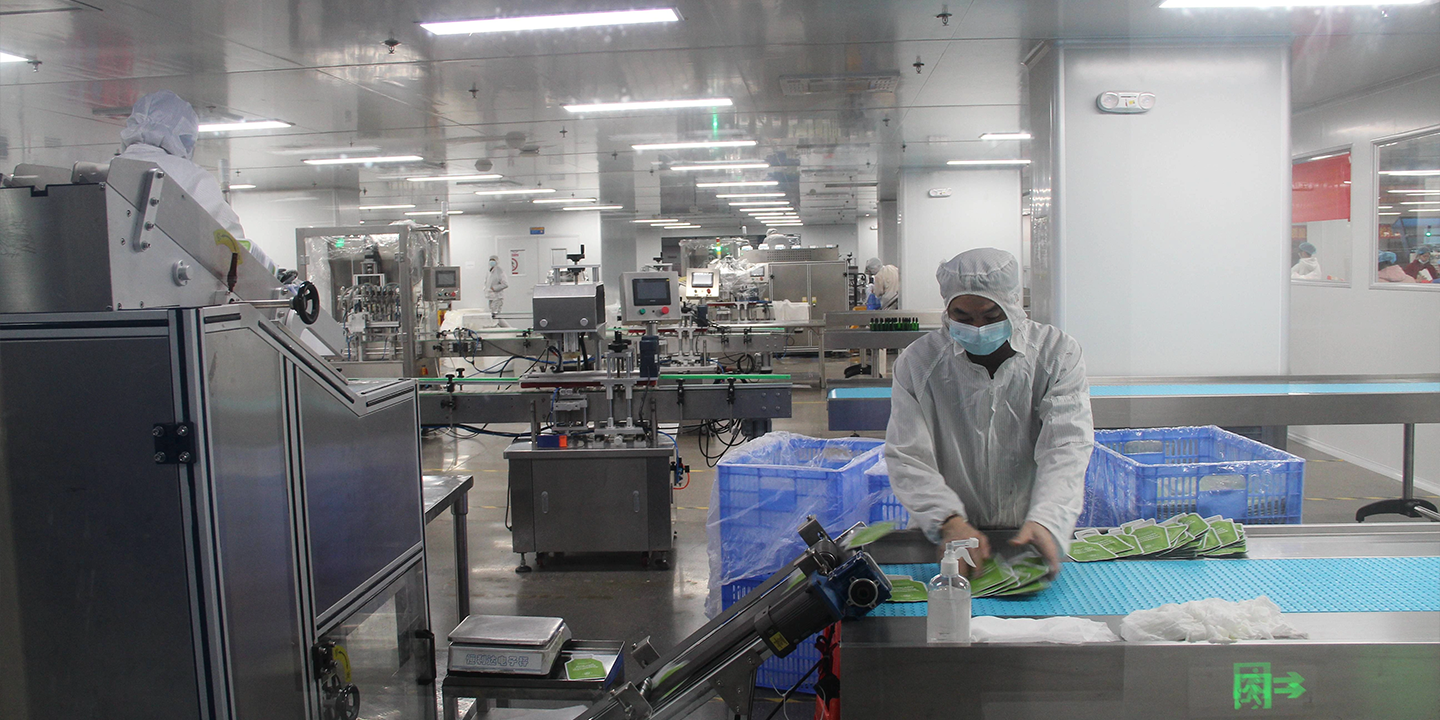
In today’s increasingly competitive skincare industry, consumer demands have long moved beyond basic moisturization to seek truly effective, safe, and targeted solutions. As a skincare manufacturer, how does one stand out among countless brands? The answer lies in a deep understanding of every stage of the manufacturing process—from ingredient selection and formulation science to production techniques and quality control. This article delves into the core elements of modern skincare manufacturing, revealing the scientific logic and innovative technologies behind exceptional products.
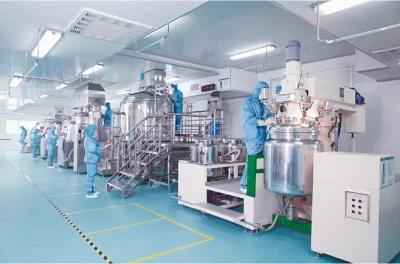
Core Challenges and Innovative Breakthroughs in Skincare Manufacturing
The skincare manufacturing industry faces unprecedented challenges and opportunities. Consumers’ growing knowledge, demands for ingredient transparency, and the trend toward personalized skincare are pushing manufacturers to rethink traditional production methods.
The Science and Ethics of Ingredient Selection
Selecting ingredients for modern skincare involves far more than just efficacy considerations. Leading manufacturers now employ multi-dimensional evaluation systems:
The Art of Balancing Efficacy and Safety
Top skincare manufacturers no longer focus solely on efficacy data; they delve into the mechanisms of action, bioavailability, and interactions with the skin microbiome. For instance, skincare for sensitive skin now prioritizes clinically validated soothing ingredients like Centella Asiatica extract and ceramides, which not only alleviate irritation but also strengthen the skin barrier function.
Sustainability and Ethical Sourcing
Consumer concern for environmental and ethical issues has profoundly impacted raw material sourcing strategies. Innovative manufacturers are building transparent supply chains, prioritizing traceable, natural ingredients that comply with fair-trade principles. For example, shea butter sourced through community partnership models not only ensures stable quality but also supports the development of origin communities.
Revolutionary Advances in Formulation Technology
Formulation technology is the core competitive edge in skincare manufacturing, with modern innovations breaking through traditional limitations in multiple dimensions:
Innovations in Delivery Systems
Advanced delivery technologies like liposomes, nanoemulsions, and microencapsulation are transforming the delivery efficiency of active ingredients. These technologies protect sensitive ingredients from degradation, control release rates, and enhance skin penetration. For example, vitamin C products using multi-layer microencapsulation technology can maintain ingredient stability for up to 24 months, far exceeding the 6-month shelf life of traditional formulations.
Development of Synergistic Formulation Systems
Forward-thinking manufacturers no longer rely on single active ingredients but develop complex synergistic systems. For example, combining niacinamide, peptides, and antioxidants into an “anti-aging matrix” provides more comprehensive results through this multi-target approach compared to a single ingredient. Research shows that well-designed synergistic formulations can improve efficacy by over 300%.
Quality Control Systems in Modern Skincare Manufacturing
Quality control is the key factor differentiating average products from exceptional ones. Modern skincare manufacturers have established multi-layered, full-process quality assurance systems.
End-to-End Quality Control from Lab to Production
Multi-Stage Testing of Incoming Raw Materials
Leading manufacturers conduct at least 15 different quality tests on each batch of raw materials, including purity analysis, microbial testing, heavy metal screening, and stability assessment. Advanced technologies like High-Performance Liquid Chromatography (HPLC) and Gas Chromatography-Mass Spectrometry (GC-MS) ensure raw materials meet stringent standards.
Real-Time Monitoring of the Production Process
Modern production lines are equipped with real-time monitoring systems tracking key parameters like temperature, pH, viscosity, and mixing homogeneity. For instance, during emulsification, online rheometers continuously monitor changes in product texture, ensuring batch-to-batch consistency reaches over 99.5%.
Scientific Methods for Stability and Safety Assessment
Advancements in Accelerated Stability Testing
Beyond traditional accelerated stability testing (3 months at 40°C, 75% humidity), innovative manufacturers now employ cyclic temperature testing and photostability testing to simulate various conditions products may encounter during real-world use and shipping.
Comprehensiveness of Clinical Safety Assessment
Safety testing has expanded from basic patch tests to include repeat insult patch testing, phototoxicity assessment, and monitoring changes in the skin microbiome post-use. Some manufacturers even conduct long-term safety tracking (over 24 weeks) for products, collecting real-world data.
Future Trends and Consumer Insights in Skincare Manufacturing
Understanding industry trends and shifts in consumer behavior is crucial for skincare manufacturers. Future success will belong to innovators who can anticipate and adapt to these changes.
Manufacturing Challenges and Solutions for Personalized Skincare
The Rise of Modular Production Systems
To meet personalized needs, advanced manufacturers are developing modular production systems. These systems allow for the addition of specific active ingredients at the final stage based on customer needs, creating “customized” products while maintaining the efficiency and economics of large-scale production.
Data-Driven Formulation Optimization
Using artificial intelligence to analyze consumer skin data, environmental factors, and usage habits, manufacturers can develop more precise and effective products. For example, adjusting the formula ratios of moisturizing products for different climate zones or optimizing cleanser formulations based on local water quality characteristics.
Innovative Practices in Sustainable Manufacturing
Application of Green Chemistry Principles
Cutting-edge manufacturers are integrating the 12 principles of green chemistry into product development, reducing the use of harmful solvents, optimizing energy efficiency, and maximizing raw material utilization. For instance, using water-based extraction techniques instead of organic solvents to extract plant actives.
Exploration of Closed-Loop Production Systems
Some manufacturers are experimenting with near-zero-waste production models, including recycling production wastewater, converting by-products into valuable raw materials, and using production facilities powered by renewable energy.
Best Practices for Manufacturer-Brand Collaboration
For entrepreneurs or businesses looking to create a skincare brand, choosing the right manufacturer is key to success. Understanding how to evaluate and collaborate with manufacturers is essential.
How to Assess a Skincare Manufacturer’s Professional Capabilities
Considering Technical Expertise and R&D Resources
When evaluating a manufacturer, look beyond production equipment to understand the professional background of its R&D team, the number of patents, and innovation capabilities. Excellent manufacturers typically have interdisciplinary teams including dermatologists, chemists, and biotechnology experts.
Compliance Records and Certification Systems
Check if the manufacturer holds international certifications (e.g., ISO 22716, GMPC) and has a successful record of passing FDA or EU regulatory inspections. These are important indicators of a manufacturer’s professionalism and reliability.
Strategies for Building Successful Partnerships
Transparent Communication and Knowledge Sharing
Successful collaboration is built on transparent communication. Brands should share market insights and target consumer data, while manufacturers should provide technical guidance and feasibility analysis. This two-way flow of knowledge can produce more market-competitive products.
Flexibility and Innovative Collaboration Models
Look for manufacturers offering flexible collaboration models, including small-batch trial production, rapid formula adjustments, and joint R&D opportunities. Some manufacturers even offer “brand incubation” services, providing comprehensive support for new brands.
Conclusion
Skincare manufacturing is a complex discipline blending science, technology, and art. Successful manufacturers require not only deep knowledge of chemistry and biology but also an understanding of market trends, consumer psychology, and sustainability requirements. In this increasingly transparent industry, only those manufacturers who uphold the highest standards, continuously innovate, and genuinely focus on consumer needs will earn long-term trust and a competitive market advantage.
Whether you are an entrepreneur looking to create your own skincare brand or an established company seeking to optimize your supply chain, choosing the right manufacturing partner is crucial. By gaining a deep understanding of every step of the manufacturing process, you can make more informed decisions, ultimately providing consumers with truly effective, safe, and satisfying skincare products.
As technology advances and consumer awareness grows, the skincare manufacturing industry will continue to evolve. Those manufacturers capable of balancing science and commerce, innovation and responsibility, personalization and scalability will lead the industry’s direction over the next decade, redefining the standards of “effective skincare.”