
In today’s competitive cosmetics market, consumers’ demands for product safety, quality, and efficacy are increasingly high, and brands’ need to find reliable manufacturing partners is growing accordingly. GMP (Good Manufacturing Practice) certification has become the gold standard for measuring the professionalism of cosmetics manufacturers. This article will explore in depth the importance of GMP certification for cosmetics manufacturing, the specific requirements of certification standards, how to select a qualified manufacturer, and how this certification creates long-term value for brands.
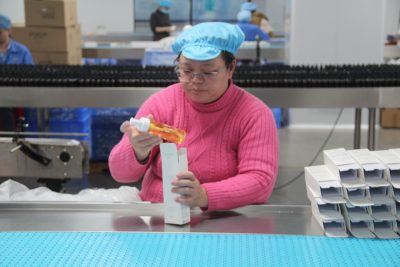
The Core Value and Industry Significance of GMP Certification
What is GMP Certification? A Commitment to Quality Beyond Basic Standards
GMP, or Good Manufacturing Practice, is a mandatory system of standards and guidelines applicable to industries such as pharmaceuticals, food, and cosmetics. For the cosmetics industry, GMP certification ensures consistent high quality, safety, and efficacy throughout the manufacturing process.
Several GMP standard systems exist globally, including:
-
EU GMP (based on the ISO 22716 Cosmetic Good Manufacturing Practices Guideline)
-
US FDA Cosmetic GMP Guidelines
-
China’s “Cosmetic Production Quality Management Norms”
-
ASEAN Cosmetic GMP
-
Other regional and international standards
While there are subtle differences among these standards, their core principles are consistent: to ensure that every batch of product meets predetermined specifications and safety requirements through systematic quality control, standard operating procedures, and comprehensive documentation management.
Why has GMP Certification Become a Must-Have Qualification in the Cosmetics Industry?
In the cosmetics industry, GMP certification has evolved from a “competitive advantage” to a “basic requirement,” primarily due to:
-
Increased Consumer Safety Awareness: With the rise of social media and information transparency, consumers are paying more attention to product ingredients, production environments, and safety. GMP certification provides brands with credible third-party verification.
-
Global Market Access Requirements: Many countries and regions, especially developed markets, require GMP certification as a basic condition for cosmetics imports. Products without GMP certification face significant barriers entering mainstream markets like the EU, US, and Japan.
-
Stricter Regulatory Environment: The global cosmetics regulatory framework is continuously improving, with regulations like China’s “Cosmetics Supervision and Administration Regulations” and the EU Cosmetic Regulation (EC) No 1223/2009 making GMP a legal requirement.
-
Brand Risk Management: For brands, choosing a GMP-certified manufacturer significantly reduces the risks of product recalls, lawsuits, and reputational damage. Statistics show that products manufactured in non-GMP environments are 3-5 times more likely to have quality issues compared to those from GMP environments.
-
Supply Chain Transparency Demands: Modern consumers and retailers require visibility into the complete journey of products from raw materials to finished goods. The comprehensive documentation and traceability systems provided by GMP frameworks meet this demand.
Analysis of Core Advantages of GMP Certified Cosmetics Manufacturers
Comprehensive Quality Control System: End-to-End Assurance from Raw Materials to Finished Products
The core advantage of a GMP-certified manufacturer lies in establishing a complete, systematic quality control system covering every aspect of cosmetics production:
Raw Material Control & Supplier Management
-
Strict supplier audit and qualification verification procedures
-
All raw materials require complete technical documentation, safety data, and compliance certificates
-
Raw materials must undergo identification, inspection, and quarantine before warehousing, ensuring only qualified materials enter the production process
-
Establishment of a raw material traceability system to ensure any problematic materials can be quickly identified and isolated
Standardized Control of Production Processes
-
Detailed Standard Operating Procedures (SOPs) for each production step
-
Strict control of production environment temperature, humidity, and cleanliness
-
Real-time monitoring and recording of critical production parameters
-
Regular validation, calibration, and maintenance of production equipment
Finished Product Quality Control & Stability Testing
-
Every finished product batch must pass comprehensive laboratory testing
-
Multi-dimensional testing including microbiological, physicochemical, and stability tests
-
Retention sample system ensuring products are traceable and re-testable throughout their shelf life
-
Ongoing stability studies to verify product quality maintenance throughout the shelf life
Production Facilities and Environmental Control Meeting International Standards
GMP certification requires cosmetics manufacturers to meet strict standards in hardware facilities:
Clean Rooms & Environmental Hygiene Control
-
Clearly defined zones for different cleanliness levels (e.g., general area, clean area, sterile area)
-
Regular environmental monitoring, including airborne particles, microorganisms, and pressure differentials
-
Strict cleaning and sanitization procedures to prevent cross-contamination
-
Personnel hygiene requirements, including workwear, handwashing procedures, and health monitoring
Modern Production Equipment & Technological Innovation
-
Use of equipment conforming to hygienic design principles, easy to clean and maintain
-
Automated control systems reducing human error
-
Advanced production technologies like vacuum emulsification, aseptic filling, etc.
-
Real-time monitoring systems tracking key parameters during production
Water Treatment & Air Purification Systems
-
Cosmetic-grade water must undergo multi-stage purification to meet specific standards
-
HVAC (Heating, Ventilation, and Air Conditioning) systems ensuring stable production environments
-
Process gases like compressed air also require appropriate treatment
Specific Standards and Audit Focus Points of GMP Certification
Comparison of Major International GMP Standard Systems
ISO 22716: Cosmetic Good Manufacturing Practices
ISO 22716 is a cosmetic GMP guideline published by the International Organization for Standardization, widely accepted globally. Its core includes:
-
Personnel: Clear responsibilities, training requirements, and hygiene standards
-
Premises: Facility design, maintenance, and cleaning standards
-
Equipment: Selection, calibration, and maintenance requirements
-
Raw and Packaging Materials: Control of procurement, receipt, storage, and distribution
-
Production: Control of manufacturing, filling, packaging, and labeling
-
Finished Products: Storage, transport, and complaint handling
-
Quality Control: Laboratory testing and documentation management
US FDA Cosmetic GMP Guidelines
Although the US FDA’s GMP requirements for cosmetics are less stringent than for drugs, its guidelines emphasize:
-
Adequate plant and space
-
Clean, sanitary equipment and containers
-
Controls to prevent contamination
-
Proper raw material and finished product control
-
Production controls and recordkeeping
-
Employee training and personal hygiene
China’s “Cosmetic Production Quality Management Norms”
New regulations issued by China’s NMPA in 2022, requiring:
-
Quality Safety Responsible Person system
-
Traceability system construction
-
Adverse reaction monitoring and reporting
-
Stricter raw material management and supplier audits
-
Full lifecycle quality management philosophy
Key Elements of GMP Audits and Common Non-Conformities
Main Areas of Focus in GMP Audits
Third-party certification bodies conducting GMP audits typically focus on:
-
Quality Management System
-
Completeness of quality manuals, procedural documents, and record systems
-
Effectiveness of management review and internal audit mechanisms
-
Change control, deviation handling, and Corrective and Preventive Action (CAPA) systems
-
-
Personnel & Training
-
Suitability of organizational structure and personnel qualifications
-
Comprehensiveness of training plans and completeness of records
-
Employee hygiene awareness and practices
-
-
Facilities & Environment
-
Whether facility design suits product characteristics and hygiene requirements
-
Effective execution of cleaning and disinfection procedures
-
Pest control and waste management
-
-
Equipment & Validation
-
Suitability of equipment for its intended use
-
Completeness of calibration and maintenance plans
-
Cleaning validation and process validation data
-
-
Material Management
-
Integrity of supplier management systems
-
Control of material receipt, storage, and distribution
-
Label management and traceability systems
-
-
Production Control
-
Compliance with batch records and SOPs
-
In-process controls and online monitoring
-
Line clearance checks and product isolation
-
-
Quality Control Laboratory
-
Validation and verification of test methods
-
Management of reference standards and reagents
-
Laboratory data integrity and reliability
-
Common Non-Conformities & Improvement Suggestions
According to data from multiple certification bodies, the most common non-conformities for cosmetics manufacturers in GMP audits include:
-
Inadequate document control, such as missing documents or improper version control
-
Insufficient cleaning procedures or incomplete records
-
Inadequate execution of equipment calibration and maintenance plans
-
Non-standard change control processes
-
Incomplete training records or unevaluated training effectiveness
To address these issues, manufacturers should foster a culture of continuous improvement, conduct regular self-audits, and implement timely corrective actions.
How to Select a Qualified GMP Certified Cosmetics Manufacturer
Key Metrics for Assessing Manufacturer GMP Compliance
Certification Credentials & Audit History
-
Check the specific types of GMP certificates held by the manufacturer and the issuing bodies
-
Confirm the scope and validity period of certifications
-
Understand the results of the most recent audit and the rectification of any non-conformities
-
Inquire whether on-site audits have been conducted by clients or third parties
Maturity of Quality Management System
-
Assess the completeness and practicality of quality manuals and procedural documents
-
Understand the operational effectiveness of deviation handling, change control, and CAPA systems
-
Check the frequency and quality of internal audits and management reviews
-
Inquire about the monitoring of quality metrics, such as first-pass yield, complaint rates, etc.
Technical Capability & Innovation Strength
-
Professional background and technical expertise of the R&D team
-
Laboratory equipment and testing capabilities
-
Formulation development and problem-solving abilities
-
Case studies of new technology applications and innovative product development
Key Areas of Focus for On-Site Visits
Visual Assessment of Production Environment
-
Rationality of facility layout and logistics flow efficiency
-
Maintenance status of clean areas and environmental monitoring data
-
Condition of equipment and maintenance records
-
Storage conditions for materials and products
Observation of Personnel Competence & Culture
-
Employees’ understanding and implementation of GMP principles
-
Standardization and consistency of on-site operations
-
Safety awareness and hygiene habits
-
Team communication and problem-response capabilities
Completeness of Documentation & Record Systems
-
Completeness and accuracy of batch production records
-
Timeliness and standardization of various logs and records
-
Effectiveness and response speed of the traceability system
-
Security of electronic data management systems
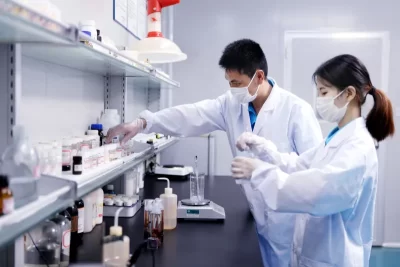
The Collaborative Value of GMP Certified Cosmetics Manufacturers
Reducing Brand Compliance Risks & Market Entry Barriers
Global Market Compliance Support
Qualified GMP-certified manufacturers typically have multi-country market experience and can provide:
-
Formula compliance assessments for target markets
-
Compliance advice on labeling and claims
-
Necessary testing and documentation support
-
Adaptive adjustments to regulatory changes
Guarantee of Product Quality Consistency
A core strength of GMP systems is ensuring product consistency:
-
Reduces batch-to-batch variation, protecting brand image
-
Lowers returns and complaints due to quality issues
-
Increases consumer loyalty and repurchase rates
-
Provides a reliable product foundation for brand expansion
Enhancing Supply Chain Efficiency & Product Innovation Speed
Simplifying Supply Chain Management
-
Reduces the brand’s burden of auditing and managing multiple suppliers
-
Provides integrated services from R&D to production
-
Improves supply chain transparency and responsiveness
-
Optimizes inventory management and logistics efficiency
Accelerating Time-to-Market
Experienced GMP manufacturers can:
-
Shorten development time from concept to product
-
Quickly resolve technical issues during production
-
Provide stability testing and safety assessment support
-
Assist in preparing documents required for registration and filing
Future Trends and Industry Outlook for GMP Certification
Application of Digitalization & Smart Manufacturing in GMP Systems
Digital Quality Management Systems
Modern GMP-certified manufacturers increasingly adopt:
-
Electronic Batch Records (EBR) replacing paper records
-
Laboratory Information Management Systems (LIMS) improving data integrity
-
Manufacturing Execution Systems (MES) for real-time production monitoring
-
Cloud-based quality management platforms facilitating remote collaboration and audits
Smart Manufacturing Technologies
-
Automated production lines reducing human intervention and error
-
IoT sensors for real-time monitoring of critical parameters
-
AI and machine learning to optimize process parameters
-
Blockchain technology enhancing supply chain transparency and traceability
Integration of Sustainability & GMP Systems
Eco-Friendly Production Practices
-
Green factory designs reducing energy consumption and carbon emissions
-
Water recycling and wastewater treatment systems
-
Reduced packaging material use and promotion of recyclable designs
-
Integration of Environmental Management Systems (e.g., ISO 14001) with GMP systems
Social Responsibility & Ethical Standards
-
Ensuring ethical sourcing and fair trade within the supply chain
-
Providing safe and healthy working environments
-
Community engagement and sustainability initiatives
-
Animal welfare policies and non-animal testing method applications
Personalized Cosmetics & GMP Adaptation Challenges
With the rise of personalized cosmetics trends, GMP systems face new challenges:
-
Quality control in small-batch, multi-variant production models
-
Safety and stability assessment of personalized formulations
-
Balancing production process flexibility with standardization
-
Data privacy and protection of personalized information
Leading GMP-certified manufacturers are exploring modular production systems and digital solutions to adapt to this trend.
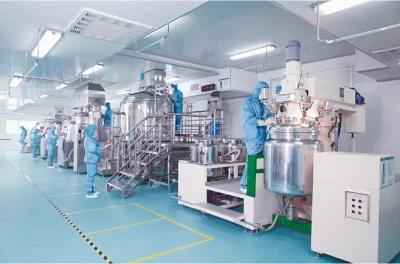
Conclusion
Choosing a GMP-certified cosmetics manufacturer is not only a necessary step to meet regulatory requirements but also a strategic investment for long-term brand success. In an era where consumers increasingly focus on product safety, quality, and transparency, GMP certification provides brands with a credible quality promise and market competitiveness. As the cosmetics industry advances technologically and regulations evolve, GMP standards are also continuously developing, incorporating new trends like digitalization, sustainability, and personalization.
For cosmetics brands seeking long-term development, partnering with manufacturers who truly understand and strictly implement GMP standards means establishing a solid foundation for product quality, reducing compliance risks, accelerating innovation processes, and ultimately winning consumer trust and market recognition. In the increasingly competitive global cosmetics market, such partnerships will become an indispensable core advantage for brands.
As the industry continues to evolve, we anticipate that GMP certification will further develop, integrating more new technologies and concepts. Manufacturers and brands who consistently adhere to GMP principles will occupy leading positions in a quality-driven market, collectively propelling the entire cosmetics industry toward higher standards, greater safety, and more sustainable development.