
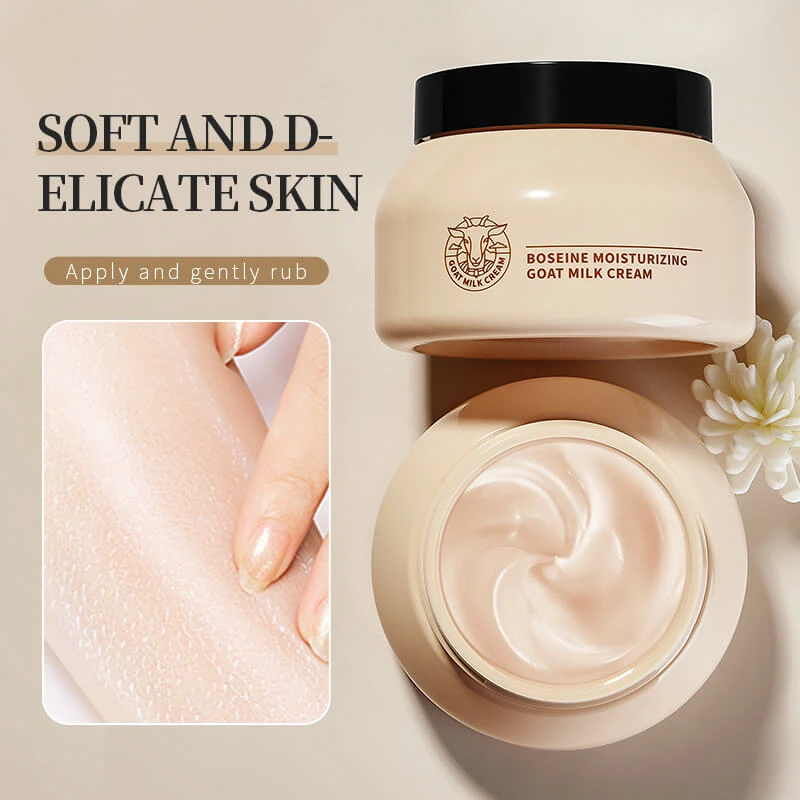
When selecting a GMP certified cosmetics OEM manufacturer in China, it’s critical to conduct thorough due diligence to ensure compliance, quality, and reliability. This guide provides actionable insights into the key factors to evaluate before signing any contract with a Chinese cosmetics manufacturer.
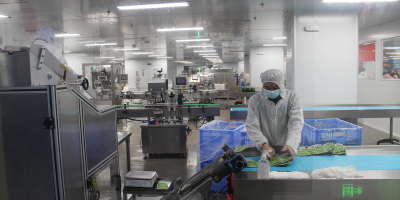
GMP Certification Verification
1.1 Understanding GMP Standards for Cosmetics
China’s GMP standards for cosmetics (GB/T 29665-2013) outline strict requirements for production facilities, quality control systems, and operational procedures. Unlike pharmaceutical GMP, cosmetic GMP focuses on ensuring product safety and consistency through standardized manufacturing practices.
1.2 Verifying Authenticity of GMP Certificates
Many manufacturers claim GMP certification, but not all certificates are valid. Request a copy of the official GMP certificate issued by the local FDA (State Food and Drug Administration) and verify its authenticity through the SFDA’s online database. Look for the certificate number, issue date, and scope of certification (e.g., skincare, color cosmetics).
Manufacturing Facility Assessment
2.1 On-Site Audit Requirements
A physical audit of the manufacturing facility is non-negotiable. Key areas to inspect include:
Cleanroom classification (ISO 8 or higher for production areas)
Equipment calibration and maintenance records
Raw material storage conditions (temperature-controlled, segregated)
Waste disposal systems
2.2 Quality Control Laboratory Capabilities
The manufacturer should have a fully equipped QC lab with:
Microbial testing equipment (for preservative efficacy)
Stability testing chambers
Heavy metal analysis tools (ICP-MS)
Packaging compatibility testing
Raw Material Sourcing and Traceability
3.1 Supplier Qualification Process
Reputable OEMs maintain a qualified supplier list with documented approval processes. Ask for:
Supplier audit reports
Certificate of Analysis (COA) for key ingredients
Non-GMO and cruelty-free certifications if required
3.2 Traceability Systems
The manufacturer should have a batch traceability system that tracks raw materials from receipt to finished product. This includes:
Lot numbering for all ingredients
Batch production records
Recall procedures
Regulatory Compliance
4.1 China FDA Registration
All cosmetics sold in China must be registered with the NMPA (National Medical Products Administration). Ensure the manufacturer has experience with:
Product formula review
Safety assessment reports
Labeling compliance (Chinese language requirements)
4.2 International Regulatory Knowledge
If exporting to other markets (EU, US, ASEAN), verify the manufacturer’s understanding of:
EU Cosmetics Regulation (EC 1223/2009)
US FDA cosmetic labeling requirements
ASEAN Cosmetic Directive
Production Capacity and Lead Times
5.1 Minimum Order Quantities (MOQs)
Most Chinese OEMs have MOQs ranging from 5,000 to 50,000 units depending on product type. Negotiate flexible MOQs for initial orders to test market demand.
5.2 Production Lead Time Management
Typical lead times are 4-8 weeks for standard products. Ask about:
Raw material procurement lead times
Production scheduling flexibility
Rush order capabilities
Intellectual Property Protection
6.1 Confidentiality Agreements
Before sharing product formulas or designs, sign a comprehensive NDA that includes:
Protection of trade secrets
Non-disclosure of proprietary information
Non-compete clauses
6.2 Trademark and Design Protection
Ensure the manufacturer will not use your brand name or packaging designs for other clients. Register your trademarks in China to prevent counterfeiting.
Communication and Customer Support
7.1 English Language Capability
Effective communication is critical. Verify that the manufacturer has:
English-speaking account managers
Clear communication channels (email, WeChat, video calls)
Responsive customer support
7.2 Project Management Process
Ask about their project management methodology, including:
Regular progress updates
Sample approval process
Change request procedures
Pricing and Payment Terms
8.1 Cost Breakdown Analysis
Request a detailed cost breakdown including:
Raw material costs
Production labor
Packaging materials
Testing fees
Shipping costs
8.2 Payment Terms Negotiation
Common payment terms are 30% deposit, 70% before shipment. Negotiate:
Letter of credit options
Performance-based payment milestones
Quality guarantee clauses
Sample Development Process
9.1 Sample Turnaround Time
Most manufacturers provide samples within 7-14 days. Ensure samples are:
Made with production-grade materials
Tested for stability and safety
Provided with a sample report
9.2 Sample Approval Protocol
Establish a clear sample approval process with:
Written approval criteria
Revision limits
Sign-off documentation
Post-Production Support
10.1 Quality Guarantee Period
Reputable manufacturers offer a 6-12 month quality guarantee for products. This should cover:
Defective products
Stability issues
Packaging defects
10.2 After-Sales Service
Ask about their after-sales support for:
Technical troubleshooting
Regulatory updates
Product improvement suggestions
Choosing the right GMP certified cosmetics OEM manufacturer in China requires careful evaluation of multiple factors. By conducting thorough due diligence and focusing on these key areas, you can establish a long-term partnership that ensures product quality, regulatory compliance, and business success. For more information on selecting the best cosmetics manufacturing partner, visit our comprehensive guide on GMP Certified Cosmetics OEM Manufacturer in China – What to Check Before Signing.