
Good Manufacturing Practices (GMP) are the backbone of safe, consistent, and high-quality cosmetic production. For brands and manufacturers alike, adhering to GMP standards is non-negotiable—it ensures products meet regulatory requirements, protect consumer safety, and build trust in the market. This guide will demystify GMP standards for cosmetics, explaining their importance, key requirements, and how to choose a GMP-compliant manufacturer.
1. What Are GMP Cosmetics Manufacturer Standards?
Definition and Regulatory Framework
GMP refers to a set of guidelines and procedures that ensure cosmetics are produced, tested, and controlled consistently to meet quality standards. These standards are enforced by regulatory bodies like the FDA (U.S.), EU Cosmetics Regulation (EC 1223/2009), and ISO (International Organization for Standardization). ISO 22716 is the international standard specifically for cosmetic GMP, outlining requirements for production, storage, and distribution.
Core Principles of GMP for Cosmetics
GMP standards are built on three core principles: quality assurance, risk management, and continuous improvement. Quality assurance ensures every product batch meets predefined specifications. Risk management identifies potential hazards (e.g., contamination) and implements controls. Continuous improvement involves regular audits and updates to processes to enhance quality.
2. Why GMP Compliance Matters for Cosmetics
Consumer Safety and Trust
GMP compliance directly impacts consumer safety. Non-compliant products may contain harmful contaminants (e.g., bacteria, heavy metals) that cause skin irritation, infections, or long-term health issues. A GMP-compliant manufacturer reduces these risks, protecting consumers and building brand trust.
Regulatory Compliance and Market Access
Most countries require cosmetics to meet GMP standards to be sold. For example, the EU mandates compliance with ISO 22716, while the FDA enforces GMP through its Current Good Manufacturing Practices (cGMP) guidelines. Non-compliance can lead to product recalls, fines, or bans from the market.
3. Key GMP Requirements for Cosmetics Manufacturers
Facility and Equipment Standards
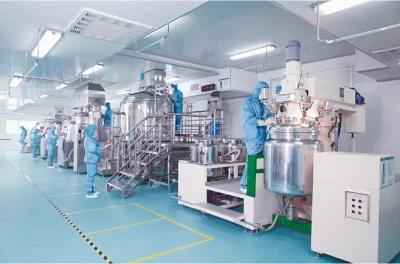
GMP-compliant facilities must be designed to prevent cross-contamination and ensure cleanliness. Requirements include:
- Separate areas for raw material storage, production, and packaging
- Regular cleaning and sanitization of equipment
- Climate control to maintain product stability (e.g., temperature, humidity)
Raw Material and Ingredient Control
Manufacturers must source raw materials from reputable suppliers and test them for purity, potency, and safety. Key steps include:
- Verifying supplier certifications (e.g., organic, fair-trade)
- Conducting batch testing for contaminants (e.g., heavy metals, microorganisms)
- Maintaining traceability of ingredients from source to finished product
- 4. Quality Control and Testing Procedures
In-Process Quality Control (IPQC)
IPQC involves testing products during production to ensure they meet specifications. This includes:
- Checking pH levels, viscosity, and color at key production stages
- Monitoring mixing times and temperatures to ensure consistency
- Rejecting batches that fail to meet quality standards
Finished Product Testing
Finished products must undergo rigorous testing before release. This includes:
- Microbiological testing to detect bacteria, fungi, or yeast
- Stability testing to ensure products remain safe and effective over their shelf life
- Packaging testing to verify durability and compatibility with the product
5. Documentation and Record-Keeping
Batch Records and Traceability
Manufacturers must maintain detailed batch records that document every step of production, from raw material receipt to finished product release. These records include:
- Ingredient quantities and suppliers
- Production dates and times
- Test results and quality control checks
Compliance Documentation
Manufacturers must keep records of regulatory compliance, including:
- Supplier audits and certifications
- Internal and external audit reports
- Corrective and preventive actions (CAPA) for non-conformances
6. How to Verify a GMP-Compliant Cosmetics Manufacturer
Check Certifications and Audits
Ask manufacturers for proof of GMP compliance, such as ISO 22716 certification or FDA cGMP registration. Request copies of recent audit reports from third-party organizations (e.g., SGS, Intertek) to verify their adherence to standards.
Visit the Facility and Observe Processes
Schedule a site visit to inspect the manufacturer’s facility. Look for:
- Cleanliness and organization of production areas
- Proper segregation of raw materials and finished products
- Staff training and adherence to GMP procedures
7. Common GMP Violations and How to Avoid Them
Cross-Contamination Risks
Cross-contamination occurs when allergens or harmful substances transfer between products. To avoid this, manufacturers should:
- Use dedicated equipment for allergen-containing products
- Implement strict cleaning protocols between production runs
- Label raw materials and products clearly to prevent mix-ups
Documentation Gaps
Incomplete or inaccurate records are a common GMP violation. To avoid this, manufacturers should:
- Train staff on proper record-keeping procedures
- Use digital systems to automate documentation and reduce human error
- Conduct regular audits of records to ensure completeness
8. The Future of GMP in Cosmetics
Trends in GMP Compliance
As consumer demand for safe and sustainable products grows, GMP standards are evolving to include:
- Requirements for sustainable packaging and ingredient sourcing
- Integration of digital technologies (e.g., blockchain) for traceability
- Stricter regulations for natural and organic cosmetics
Benefits of Proactive GMP Compliance
Proactively adhering to GMP standards offers long-term benefits, including:
- Reduced risk of product recalls and legal issues
- Enhanced brand reputation and consumer trust
- Improved efficiency and cost savings through streamlined processes
Choosing a GMP-compliant cosmetics manufacturer is critical for brand success. By understanding GMP standards and verifying compliance, you can ensure your products are safe, high-quality, and meet regulatory requirements. Whether you’re a startup or an established brand, partnering with a GMP-compliant manufacturer will help you build a sustainable and trusted brand in the competitive beauty market.