
A Practical NMPA Registration Pitfall Handbook for Brands
China has become one of the world’s most important cosmetics manufacturing hubs, and Guangdong sits at the very center of this ecosystem. From formulation R&D to packaging, OEM/ODM production, and compliance support, Guangdong Cosmetics Manufacturing and OEM services attract both domestic and international beauty brands.
However, one critical step often underestimated by new brands is NMPA registration (China’s National Medical Products Administration). Mistakes in this process can lead to rejected filings, delayed launches, frozen inventory, or even permanent formula bans.
This guide explains how NMPA registration works, the most common pitfalls, and how to avoid costly mistakes when working with Guangdong OEM factories.
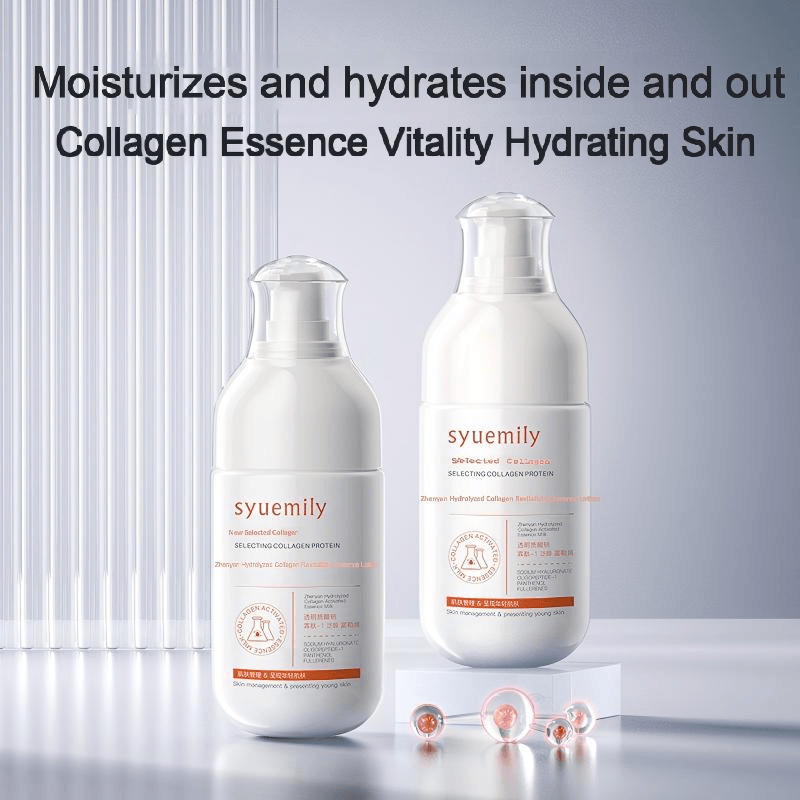
1. What Is NMPA Registration and Why It Matters
Any cosmetic product manufactured or sold legally in China must be registered or filed with the NMPA.
Depending on the product category, NMPA compliance determines:
- Whether your product can be legally produced
- Whether it can be sold domestically or exported
- Whether the formula can be reused in future projects
- Whether customs clearance will be smooth
For brands choosing Guangdong Cosmetics Manufacturing and OEM, NMPA compliance is not optional—it is foundational.
2. Filing vs. Registration: Know the Difference First
A major pitfall is misunderstanding cosmetic filing types.
Ordinary Cosmetics (Filing)
Examples:
- Facial cleansers
- Lotions & creams
- Shampoos
- Body care products
These products follow a record-filing system, which is faster but still strictly reviewed.
Special Cosmetics (Registration)
Examples:
- Sunscreens
- Hair dyes
- Anti-hair loss products
- Skin whitening products
These require pre-market approval, testing, and longer timelines.
❌ Pitfall: Many brands assume all skincare products use the same process.
✅ Tip: Always confirm the category before finalizing the formula with your OEM factory.
3. Formula Red Flags That Trigger NMPA Rejection
Even experienced brands can fail NMPA review due to formula issues.
Common Formula Pitfalls
- Using ingredients not listed in the IECIC (China’s approved ingredient inventory)
- Exceeding concentration limits
- Claim–formula mismatch (e.g., “repair” claims without supporting ingredients)
- Using overseas-approved preservatives not accepted in China
Factories specializing in Guangdong Cosmetics Manufacturing and OEM usually have compliant base formulas—but custom modifications can break compliance if not reviewed carefully.
4. Ingredient Naming Errors: A Silent Killer
NMPA uses standardized Chinese INCI names.
❌ Common mistakes:
- Using trade names instead of INCI names
- Translating ingredient names manually
- Mismatch between formula, test reports, and filing documents
Even a single character mismatch can cause filing rejection.
✅ Best practice:
Work with Guangdong OEM factories that:
- Use NMPA-standard ingredient libraries
- Handle Chinese naming internally
- Provide final ingredient lists for confirmation
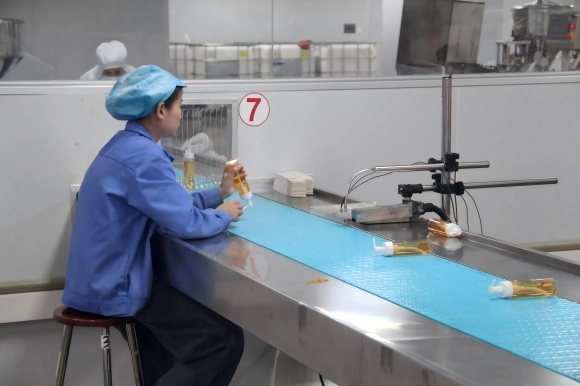
5. Testing Reports: Don’t Cut Corners
NMPA requires specific test reports from qualified Chinese labs, including:
- Safety assessment
- Stability testing
- Microbial testing
- (If applicable) efficacy or SPF testing
❌ Pitfall:
Using overseas test reports or outdated lab data.
✅ Tip:
Reputable Guangdong Cosmetics Manufacturing and OEM partners usually have long-term cooperation with certified labs, reducing both cost and risk.
6. Claim Compliance: Marketing Language Can Block Your Filing
NMPA reviews claims strictly, even if the formula itself is compliant.
High-risk words include:
- “Medical-grade”
- “Repair damaged skin”
- “Anti-inflammatory”
- “Instant whitening”
- “Cell regeneration”
❌ Pitfall:
Using international marketing copy directly for China filing.
✅ Tip:
Let your OEM factory rewrite or localize claims for NMPA compliance before submission.
7. Responsible Person (RP): A Critical Role Many Brands Ignore
For NMPA filing, every product must have a China Responsible Person (RP).
The RP is legally responsible for:
- Product safety
- Documentation accuracy
- Post-market supervision
❌ Pitfall:
Using a temporary or inexperienced RP service.
✅ Best practice:
Many Guangdong Cosmetics Manufacturing and OEM factories can act as or coordinate with a stable RP, simplifying long-term compliance.
8. Timeline Traps: Unrealistic Expectations
Typical timelines:
- Ordinary cosmetics filing: 1–3 months
- Special cosmetics registration: 6–12 months
❌ Pitfall:
Planning product launches without considering filing buffers.
✅ Tip:
Finalize formula + packaging before starting the filing process to avoid restarts.
9. How to Choose the Right Guangdong OEM for NMPA Compliance
Not all factories are equal.
Key Selection Criteria
- Proven NMPA filing cases (ask for examples)
- In-house regulatory team
- Clear documentation workflow
- Experience with export + domestic compliance
- Willingness to review claims and ingredients early
A professional Guangdong Cosmetics Manufacturing and OEM partner doesn’t just manufacture—they help you avoid regulatory dead ends.
10. Final Checklist Before You Start NMPA Filing
Before submitting:
- ✅ Confirm product category
- ✅ Lock formula & ingredient list
- ✅ Review claims for compliance
- ✅ Confirm RP details
- ✅ Use certified Chinese labs
- ✅ Align all documents (formula, labels, test reports)
Conclusion: Compliance Is a Strategy, Not a Form
NMPA registration is not just paperwork—it directly affects your costs, timelines, and brand scalability.
By working with experienced Guangdong Cosmetics Manufacturing and OEM providers and avoiding the pitfalls outlined above, brands can:
- Launch faster
- Reduce compliance risks
- Scale safely in China and global markets
If you’re planning OEM or private-label cosmetics in China, NMPA compliance should be designed into your project from day one—not fixed at the end.
If you want, I can also:
- Optimize this article for Rank Math / Yoast SEO
- Add conversion CTAs (WhatsApp / inquiry form)
- Rewrite it for a pillar + internal linking strategy
- Localize it for B2B foreign buyer intent
Just tell me