
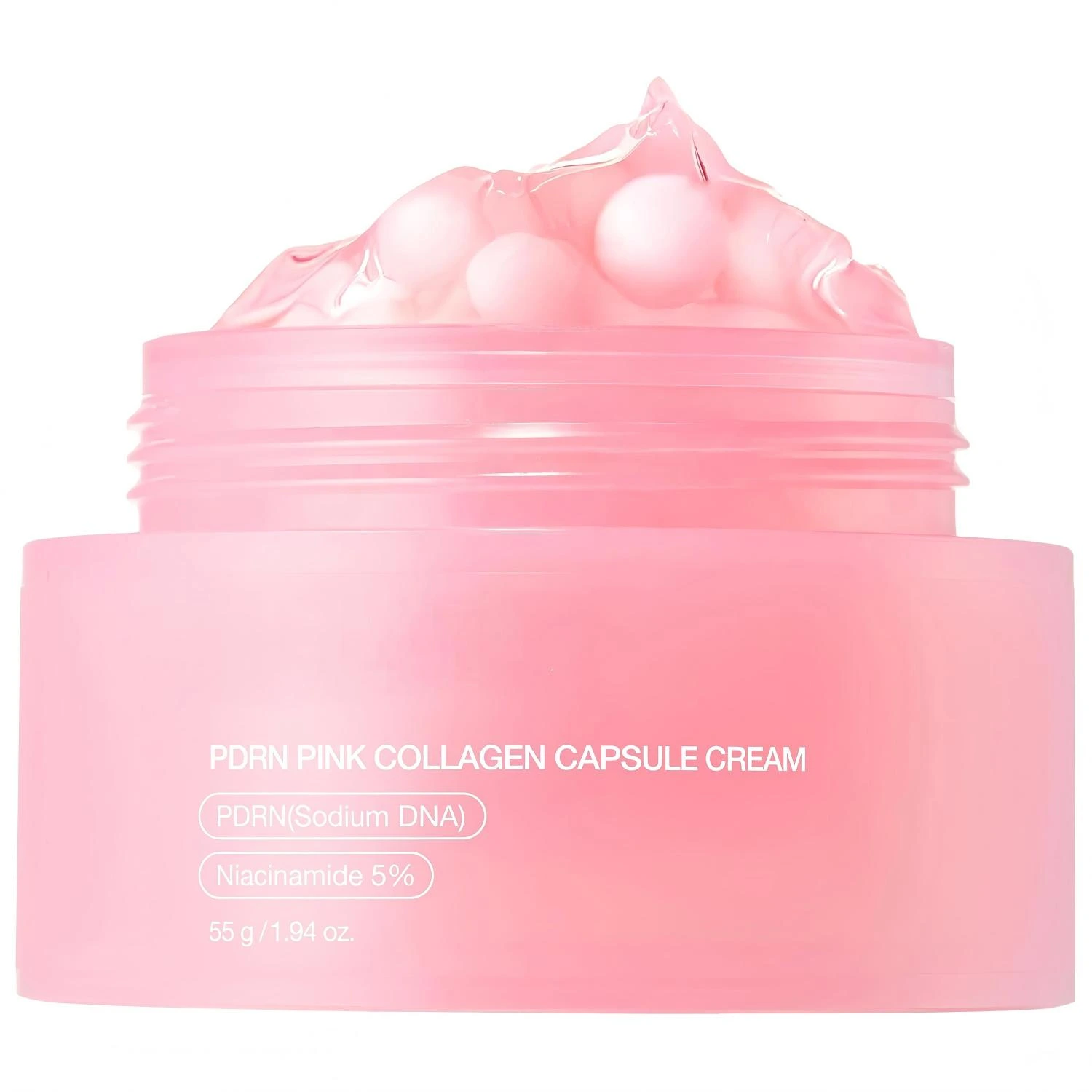
Many brands are attracted to China’s cosmetics OEM manufacturing for its competitive pricing, but hidden costs often erode expected savings. This comprehensive guide reveals the often-overlooked expenses that can significantly impact your bottom line, providing actionable strategies to mitigate risks and optimize your manufacturing budget.

Regulatory Compliance Hidden Costs
1.1 China NMPA Registration Delays
While basic registration fees are known, delays can add unexpected costs:
Expedited registration fees ($500-$2,000)
Product reformulation costs due to non-compliance
Storage fees for delayed shipments
1.2 International Certification Renewals
Certifications like EU REACH and USDA Organic require annual renewals:
Renewal fees ($1,000-$3,000 per certification)
Retesting costs for formula changes
Documentation updates for regulatory changes
Quality Control and Testing Hidden Costs
2.1 Third-Party Testing Requirements
Many brands underestimate the cost of mandatory testing:
Microbial testing ($300-$800 per batch)
Heavy metal analysis ($500-$1,200 per product)
Stability testing ($800-$2,000 per product)
2.2 Defective Product Recalls
Quality issues can lead to costly recalls:
Recall logistics ($2-$5 per unit)
Brand reputation damage
Legal fees for non-compliance
Intellectual Property Protection Costs
3.1 Trademark and Patent Registration
Protecting your brand in China requires:
Trademark registration ($500-$1,500 per class)
Patent application fees ($2,000-$5,000)
IP monitoring services ($1,000-$3,000/year)
3.2 Counterfeit Prevention Measures
Chinese markets are prone to counterfeiting:
Anti-counterfeiting packaging ($0.10-$0.50 per unit)
Private investigation services ($5,000-$15,000)
Legal action against counterfeiters
Supply Chain Hidden Costs
4.1 Raw Material Price Fluctuations
Global market changes can impact costs:
Volatility in ingredient prices (up to 30% increase)
Currency exchange rate risks
Emergency sourcing costs for scarce materials
4.2 Logistics and Shipping Surprises
Shipping costs often exceed initial estimates:
Port congestion surcharges ($500-$2,000 per container)
Customs clearance delays ($100-$500/day)
Insurance premiums for high-value products
Communication and Project Management Costs
5.1 Language and Cultural Barriers
Miscommunication can lead to costly mistakes:
Translation services ($50-$150/hour)
Travel costs for on-site audits
Project delays due to misinterpretation
5.2 Project Management Overhead
Coordinating with Chinese OEMs requires:
Dedicated project manager ($500-$1,500/month)
Software tools for collaboration
Regular quality control visits
Minimum Order Quantity (MOQ) Hidden Costs
6.1 Excess Inventory Storage
High MOQs can lead to:
Warehouse storage fees ($0.50-$2 per cubic foot/month)
Inventory obsolescence costs
Discounted sales of excess products
6.2 MOQ Negotiation Costs
Negotiating lower MOQs often requires:
Higher per-unit pricing (10-20% increase)
Prepayment for production
Long-term commitment contracts
Packaging and Labeling Hidden Costs
7.1 Custom Packaging Tooling
Unique packaging designs require:
Mold creation fees ($1,000-$5,000 per mold)
Minimum order quantities for custom packaging
Design revision costs
7.2 Labeling Compliance Changes
Regulatory updates can require:
Label redesign costs ($500-$2,000)
Reprinting labels ($0.05-$0.20 per unit)
Product relabeling labor
Labor and Production Hidden Costs
8.1 Overtime and Peak Season Premiums
Chinese factories often charge extra during peak periods:
Overtime labor costs (150-200% of standard rates)
Rush order fees (20-50% surcharge)
Production delays during Chinese holidays
8.2 Equipment Maintenance and Downtime
Unexpected equipment issues can cause:
Production downtime costs ($1,000-$5,000/day)
Emergency repair fees
Backup production arrangements
Post-Production Hidden Costs
9.1 Product Returns and Refunds
Quality issues can lead to:
Return shipping costs
Refund processing fees
Restocking and repackaging costs
9.2 Warranty and After-Sales Support
Honoring warranties requires:
Replacement product costs
Customer service labor
Technical support for product issues
Risk Mitigation Strategies
10.1 Comprehensive Due Diligence
Before partnering with an OEM, conduct:
Factory audits ($1,000-$3,000)
Supplier background checks
Reference checks from existing clients
10.2 Contract Negotiation Best Practices
Protect your business with:
Clear cost breakdown clauses
Penalty terms for delays
Quality guarantee provisions
Understanding the hidden costs in China cosmetics OEM manufacturing is essential for brands to make informed decisions and avoid budget overruns. By proactively addressing these potential expenses, businesses can maximize their return on investment and establish successful long-term partnerships. For more information on navigating the complexities of Chinese cosmetics manufacturing, visit our comprehensive guide on Hidden Costs in China Cosmetics OEM Manufacturing.