
Introduction: The Critical Role of Your Manufacturing Partner
In today’s competitive skincare market, facial masks have emerged as one of the most dynamic and fastest-growing product categories. From sheet masks and clay masks to overnight treatments and innovative bio-cellulose applications, this segment continues to evolve with consumer demands. However, behind every successful facial mask product lies a critical decision: selecting the right facial mask cosmetics manufacturer. This choice doesn’t merely affect production costs and timelines—it fundamentally shapes your product’s quality, safety, market compliance, brand reputation, and ultimately, your business success. This comprehensive guide delves deep into what discerning brands must consider when partnering with a manufacturer, offering valuable insights that transcend basic checklist approaches to reveal what truly matters in establishing a fruitful, sustainable manufacturing partnership.
Understanding the Facial Mask Manufacturing Landscape
The global facial mask market, valued at over $12 billion in 2023, is projected to grow at a compound annual growth rate exceeding 8% through 2030. This expansion is fueled by increasing skincare awareness, innovation in delivery systems, and the rising demand for targeted solutions addressing concerns like hydration, brightening, anti-aging, and acne. Within this vibrant market, manufacturers range from small-scale specialty laboratories to vertically integrated industrial facilities, each with distinct capabilities, specializations, and business philosophies.
Types of Facial Mask Manufacturers and Their Specializations
Original Design Manufacturers (ODMs) offer comprehensive services from conceptualization to finished product. They typically provide “catalog” formulations that brands can customize, significantly reducing development time and cost. ODMs excel at translating market trends into producible products and are ideal for brands seeking to quickly launch on-trend masks without extensive R&D investment.
Original Equipment Manufacturers (OEMs), in contrast, primarily produce according to the brand’s exact specifications, formulas, and designs. This model offers greater control and uniqueness but requires the brand to possess substantial technical knowledge and resources. The choice between ODM and OEM hinges on your brand’s internal capabilities, desire for exclusivity, and development budget.
Furthermore, manufacturers often specialize in specific mask formats. Sheet mask specialists master the intricacies of fiber materials (cotton, bio-cellulose, hydrogel, etc.), serum infusion, and single-dose packaging. Clay and cream mask experts focus on viscosity stability, preservative systems for jar packaging, and ensuring consistent texture. Emerging formats like bubble masks, exfoliating putties, or peel-off masks require yet another set of specialized equipment and expertise. Aligning your product vision with a manufacturer’s proven specialization is the first step toward a technically sound product.
Global Hubs and Regional Considerations in Manufacturing
Geographic location profoundly impacts logistics, cost, regulatory adherence, and market perception. East Asia—particularly South Korea, China, and Japan—remains the epicenter of facial mask innovation and production, offering advanced technologies, extensive material supply chains, and competitive pricing. South Korean manufacturers are renowned for cutting-edge ingredient incorporation and elegant design, while Chinese facilities offer immense scale and cost efficiency.
North American and European manufacturers often emphasize “Made in USA/EU” marketing appeal, stricter regulatory adherence (though Korean regulations are equally rigorous), and shorter supply chains for brands targeting those markets. However, costs are typically higher. Southeast Asia (Vietnam, Thailand) is emerging as a cost-competitive alternative with improving standards. The decision involves weighing production cost, shipping lead times, import duties, carbon footprint, and the marketing value of a “Made In” label for your target audience.

Key Evaluation Criteria for a Premium Manufacturer
Selecting a partner requires moving beyond price quotes to assess foundational capabilities that guarantee quality, compliance, and innovation potential.
Manufacturing Certifications and Regulatory Compliance
This non-negotiable area forms the bedrock of product safety and market access. A premium facial mask cosmetics manufacturer must hold internationally recognized certifications, which are audited proofs of their quality systems.
-
Good Manufacturing Practices (GMP): Look for certification under strict standards like ISO 22716 (Cosmetics GMP). This ensures every aspect of production—from raw material reception to personnel hygiene, equipment cleaning, and documentation—follows protocols that prevent contamination, mix-ups, and errors.
-
FDA Registration and Compliance: For sales in the United States, the manufacturer’s facility must be FDA-registered. While the FDA doesn’t “approve” facilities, registration is mandatory, and adherence to FDA regulations on ingredients, labeling, and safety is critical.
-
Market-Specific Certifications: For the EU, ensure understanding of EU Cosmetics Regulation (EC) No 1223/2009. For China, the mandatory Cosmetics Good Manufacturing Practices (CGMP) certification is essential. Other valuable certifications include SOCAP (for Australian market), HALAL, KOSHER, and cruelty-free/vegan certifications (Leaping Bunny, PETA) if aligning with brand ethics.
Always verify these certifications directly via certificate numbers and audit reports. A reputable manufacturer will be transparent about their compliance status.
Research & Development and Innovation Capabilities
A manufacturer’s R&D lab is where your product concept becomes reality. Assessing this capability determines whether you’ll get a generic product or a differentiated market contender.
-
Ingredient Expertise and Sourcing: Inquire about their library of approved ingredients and relationships with premium suppliers (e.g., BASF, Givaudan, Ashland, Dongjin). Can they source and validate novel actives like CBD, bakuchiol, or marine extracts? Do they have expertise in formulating for sensitive skin or specific concerns?
-
Formula Stability and Efficacy Testing: A serious manufacturer conducts rigorous stability testing (under various temperature and light conditions for 3+ months) to guarantee shelf life and packaging compatibility. Efficacy testing via instrumental analysis (corneometer for hydration, visioscan for texture) or even clinical trials, though more costly, provides marketing claims substantiation.
-
Prototyping and Design Support: Evaluate their speed and flexibility in creating lab samples (lab-dips). Do they offer in-house design support for packaging, or do they collaborate with reliable partners? The ability to handle small-batch production for market testing is a significant advantage for emerging brands.
The Production Process: What Excellence Looks Like
Understanding the manufacturer’s process reveals their commitment to quality control at every stage.
Sourcing and Quality Control of Raw Materials
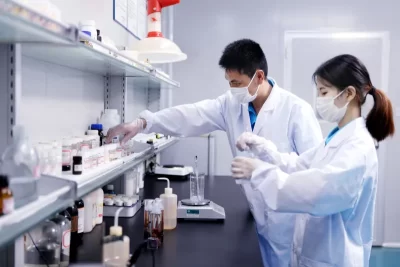
The quality of a mask is inseparable from the quality of its ingredients. Premier manufacturers enforce a stringent Raw Material Qualification Procedure. Each ingredient supplier is vetted through audits, and each batch of raw material arrives with a Certificate of Analysis (CoA) that is verified in the manufacturer’s own QC lab. Tests might include identity confirmation via HPLC, microbiological contamination checks, and assessment of physical parameters like pH and viscosity. This gatekeeping prevents substandard materials from ever entering production.
State-of-the-Art Production and Filling Lines
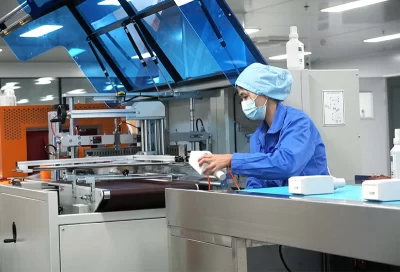
Automation and sanitary design are hallmarks of modern production. For sheet masks, this involves automated fabric cutting, precise serum dosing, and ultrasonic sealing in cleanroom environments (often Class 100,000 or better) to minimize airborne particulates. For clay or cream masks, automated mixing vessels with controlled temperature and vacuum systems prevent air bubbles and ensure homogeneous blending. The filling process, whether for sachets, jars, or tubes, should be automated for accuracy and hygiene. Ask about the age and maintenance schedules of their primary equipment—it speaks volumes about their investment in consistent output.
Comprehensive Quality Assurance and Laboratory Testing
Quality Assurance (QA) is proactive, embedded in the process design, while Quality Control (QC) is reactive, involving testing of finished products. A robust system includes:
-
In-Process Checks: Weight verification, pH checks, visual inspection during filling.
-
Finished Product Testing: Every batch should undergo testing for microbiological limits (total aerobic count, yeast/mold, pathogens like P. aeruginosa and S. aureus), heavy metals contamination, and confirmatory pH and viscosity tests.
-
Challenge Test: This critical test inoculates the preserved product with microorganisms to verify the preservative system’s effectiveness throughout the product’s shelf life.
Request to see a sample Certificate of Conformance (CoC) or Batch Analysis Report to understand the depth of their release testing.
Beyond Production: Essential Partnership Services
A true partner contributes to your brand’s success beyond the factory floor.
Packaging Sourcing, Design, and Sustainability Solutions
Packaging is integral to the user experience and brand identity. Many manufacturers offer turnkey services, leveraging their buying power and relationships with packaging suppliers (bottle makers, sachet printers, box factories) to secure better pricing and lead times. Crucially, the modern facial mask cosmetics manufacturer should be equipped to advise on and source sustainable solutions: FSC-certified paper, PCR (post-consumer recycled) materials, biodegradable or compostable mask fabrics (like bamboo fiber), and refill systems. They should understand the lifecycle analysis of packaging choices.
Minimum Order Quantities (MOQs), Logistics, and Supply Chain Stability
MOQs can be a barrier for startups. While large-scale manufacturers may have MOQs of 50,000 units per SKU, many now cater to indie brands with MOQs as low as 3,000-5,000 units. Transparency here is key—understand all cost components (mold fees, setup charges). Equally important is evaluating their supply chain resilience. The post-pandemic world has highlighted risks. How diverse is their supplier base? Do they maintain strategic raw material inventories? Can they provide transparent lead times and handle international logistics, including documentation for customs?
Red Flags and How to Conduct Due Diligence
Vigilance during selection can prevent costly failures. Be wary of manufacturers who:
-
Are evasive about sharing certification details or facility audits.
-
Offer prices significantly below market average without plausible explanation (often indicating corner-cutting on ingredients or testing).
-
Lack clear communication, with slow responses and unqualified sales representatives who cannot connect you with technical staff.
-
Have no samples of existing work or refuse facility visits (virtual or in-person).
Due Diligence Steps:
-
Virtual/Physical Audit: Request a video tour of the facility, focusing on the warehouse, production floor, and QC lab.
-
Sample Evaluation: Order comprehensive samples of their existing formulations. Test them for sensory attributes, packaging quality, and performance.
-
Client References: Ask for contact information for 2-3 existing clients, preferably in your region or of similar size. Inquire about reliability, communication, and problem-resolution.
-
Contract Scrutiny: Ensure the contract clearly outlines specifications, quality standards, liability for non-conformance, intellectual property ownership, and terms for dispute resolution.
The Future of Facial Mask Manufacturing
Staying ahead requires partnering with a manufacturer attuned to future trends.
Personalized and Sustainable Manufacturing
The future points toward personalization (masks with adjustable serum capsules or AI-driven formulation adjustments) and hyper-sustainability. Manufacturers will need capabilities for waterless formulations, upcycled ingredients, zero-waste packaging, and carbon-neutral production processes. Inquire about their roadmap in these areas.
Digital Integration and Smart Supply Chains
Leading manufacturers are adopting Industry 4.0 technologies: IoT sensors on production lines for real-time data, blockchain for ingredient traceability from farm to face, and AI-powered demand forecasting to optimize inventory. This digital integration allows for unprecedented transparency and agility, which can be a compelling advantage for your brand story.
Conclusion: Building a Partnership for Growth
Choosing the right facial mask cosmetics manufacturer is a strategic decision that extends far beyond a simple vendor transaction. It is the selection of a foundational partner for your brand’s journey. By meticulously evaluating their certifications, technical capabilities, quality systems, and alignment with your brand’s values on innovation and sustainability, you invest in more than production—you invest in product integrity, consumer trust, and long-term market viability. The ideal manufacturer acts as an extension of your team, navigating complexities with expertise and fostering collaborative innovation. In the nuanced world of skincare, where efficacy, safety, and experience converge, this partnership is not just important; it is indispensable for creating facial masks that truly resonate and endure.
Ready to explore a partnership with a manufacturer that embodies these principles? Begin your journey by defining your non-negotiables, preparing informed questions, and seeking partners who value transparency and collaboration as much as you do.