
As the global premium beauty market continues to grow, a luxury cosmetics manufacturer is no longer simply a high-priced OEM supplier. Instead, it represents a comprehensive system of brand value creation—combining advanced R&D, premium ingredient sourcing, strict quality control, regulatory expertise, and long-term brand partnership.
For brands aiming to build a high-end, luxury, or prestige cosmetics line, choosing the right luxury cosmetics manufacturer often determines whether the brand can scale sustainably and compete globally.
This article explores what truly defines a luxury cosmetics manufacturer, from manufacturing standards and formulation innovation to brand co-creation and global compliance—helping premium brands make informed, strategic decisions.
What Is a Luxury Cosmetics Manufacturer?
Beyond High-End OEM: A Systematic Approach to Luxury
Many assume that a luxury cosmetics manufacturer is simply a more expensive version of a standard cosmetic factory. In reality, true luxury manufacturing is about systems, not shortcuts.
A genuine luxury cosmetics manufacturer typically:
-
Focuses exclusively on mid-to-high-end and prestige beauty markets
-
Maintains proprietary, high-performance formulation libraries
-
Participates deeply in brand and product strategy
-
Pursues perfection in texture, fragrance, packaging, and user experience
Luxury is not created by price—it is engineered through expertise.
The Fundamental Difference from Standard Cosmetic Factories
Traditional cosmetic factories prioritize cost efficiency, speed, and volume. In contrast, luxury cosmetics manufacturers focus on:
-
Rare and traceable ingredients
-
Proprietary formulas with technological barriers
-
Refined sensory experience and aesthetic consistency
-
Long-term brand equity rather than short-term output
This is why most mass-market factories cannot simply “upgrade” into luxury manufacturers.
Core Standards of a Luxury Cosmetics Manufacturer
Premium Ingredient Systems and Global Supply Chains
Rare Ingredients and Sustainable Sourcing
Leading luxury cosmetics manufacturers work closely with top-tier global raw material suppliers, including:
-
French, Swiss, and Italian active ingredient laboratories
-
Certified organic botanical extraction partners
-
Marine, bio-fermentation, and cellular technology providers
Luxury is defined not only by ingredient cost, but by scientific credibility, sustainability, and storytelling.
Ingredient Stability and Batch Consistency
Luxury brands demand absolute consistency. Premium manufacturers ensure this through:
-
Multi-supplier backup strategies
-
Strict incoming raw material testing
-
Long-term batch data tracking and traceability
Consistency across markets is non-negotiable for high-end brands.
High-Standard Manufacturing and Quality Control
International Certifications as the Baseline
A qualified luxury cosmetics manufacturer typically holds:
-
ISO 22716 (Cosmetic GMP)
-
ISO 9001 Quality Management System
-
Compliance with EU, UK, and US cosmetic regulations
These certifications are not differentiators—they are minimum entry requirements.
Micro-Level Quality Management
Luxury manufacturing is built on details most consumers never see, such as:
-
Extended microbiological and stability testing
-
Comprehensive packaging compatibility evaluations
-
Multiple rounds of blind testing for fragrance and skin feel
True luxury often exists in invisible precision.
R&D Capabilities of a Luxury Cosmetics Manufacturer
Advanced Formula Development and Customization
No Template-Based Formulas
Unlike conventional OEM factories, luxury cosmetics manufacturers rarely reuse generic formulas. Instead, they:
-
Build formulas around brand philosophy and market positioning
-
Customize active concentrations for target demographics
-
Engineer signature textures and sensorial experiences
This customization capability is the true technical divide between luxury and standard OEM.
Balancing High Efficacy with Safety and Stability
High-end skincare emphasizes performance—but not at the cost of skin tolerance. Advanced R&D teams excel at:
-
Maintaining stability with high active concentrations
-
Using encapsulation and controlled-release technologies
-
Delivering immediate sensorial satisfaction alongside long-term results
Innovation Technology and Long-Term R&D Investment
Turning Innovation into Market-Ready Products
Luxury cosmetics manufacturers do not chase trends—they translate innovation into scalable products, including:
-
Bio-fermentation and biomimetic repair technologies
-
Microencapsulation and targeted delivery systems
-
Waterless and ultra-concentrated formulations
These innovations require long-term R&D commitment, not short-term experimentation.
Brand Co-Creation and Custom Luxury Services
From Manufacturer to Strategic Partner
Deep Involvement in Brand Development
Many luxury cosmetics manufacturers now act as strategic collaborators, helping brands with:
-
Brand positioning and product line architecture
-
Market insights and ingredient trend forecasting
-
Development of hero and flagship products
For emerging luxury brands, this partnership model is invaluable.
Flexible Small-Batch Luxury Production
Luxury does not mean mass production. Premium manufacturers often support:
-
Small-batch pilot runs
-
Limited editions and exclusive collections
-
Multi-SKU precision management
This flexibility allows brands to test markets while managing risk.
Packaging, Sensory Design, and Detail Control
Luxury Is a Holistic Experience
A true luxury cosmetics manufacturer coordinates seamlessly with:
-
Premium packaging suppliers
-
Custom molds and advanced surface treatments
-
Formula–packaging interaction design
Luxury begins the moment the consumer touches the product.
Global Compliance and Risk Management
Multi-Market Regulatory Expertise
Built for International Expansion
Luxury brands are inherently global. Manufacturers must understand:
-
EU Cosmetic Regulation and CPNP
-
UK SCPN requirements
-
US FDA cosmetic compliance frameworks
Regulatory missteps can derail even the strongest brands.
Documentation, Data, and Audit Support
High-end brands require comprehensive compliance documentation, including:
-
Safety assessments and toxicological reports
-
Product Information Files (PIF)
-
Full testing records and traceability documentation
These capabilities reflect the professionalism of a luxury cosmetics manufacturer.
How to Choose the Right Luxury Cosmetics Manufacturer
Look Beyond Price—Evaluate Long-Term Alignment
When selecting a luxury cosmetics manufacturer, brands should assess:
-
Understanding of premium brand logic
-
Sustainable R&D investment capacity
-
Ability to scale with global brand growth
Short-term cost savings often result in long-term brand damage.
Key Questions Brands Should Ask
Before partnering, ask manufacturers:
-
Do you have proven experience with luxury brands?
-
Can you support deep customization rather than standard formulas?
-
Are you equipped for future multi-market expansion?
The answers reveal far more than marketing brochures.
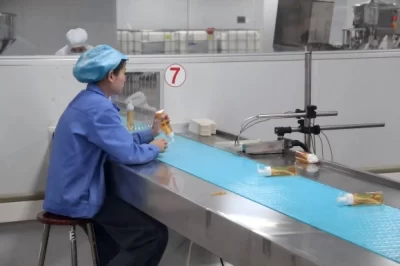
Conclusion: Luxury Begins at the Manufacturing Level
In today’s competitive prestige beauty landscape, a luxury cosmetics manufacturer is no longer just a behind-the-scenes supplier—it is a cornerstone of brand success.
True luxury is not defined by pricing alone, but by a fully integrated system encompassing ingredients, R&D, manufacturing precision, compliance, and user experience.
Choosing a manufacturer that understands luxury, respects brand integrity, and commits to long-term partnership is the first step toward building a globally respected beauty brand.