
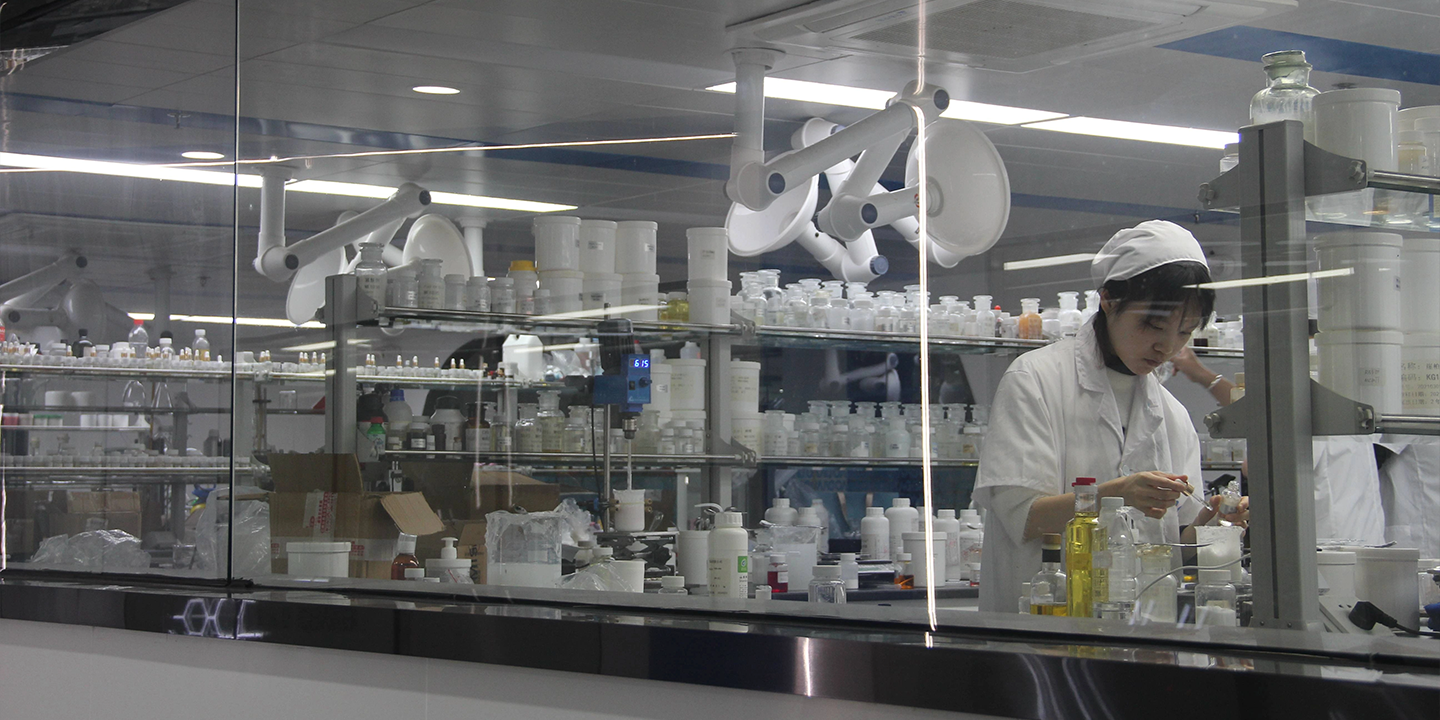
MOQ for Cosmetics Manufacturing in China is a critical factor for brands looking to enter the Chinese market. This comprehensive guide will cover everything you need to know about minimum order quantities in the cosmetics industry, including how to negotiate better terms, avoid common pitfalls, and find reliable manufacturers that offer flexible MOQ options. Whether you’re a startup or an established brand, understanding MOQ is essential for cost-effective production and market entry.
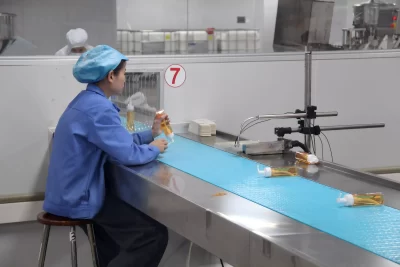
What is MOQ in Cosmetics Manufacturing?
Definition of MOQ
Minimum Order Quantity (MOQ) refers to the smallest number of units a manufacturer is willing to produce for a single order. In the cosmetics industry, MOQ can vary significantly depending on the product type, ingredients, packaging, and manufacturer’s production capabilities. For example, liquid products like serums may have lower MOQs than solid products like lipsticks due to differences in production processes.
Why MOQ Matters for Cosmetics Brands
MOQ directly impacts your production costs, inventory management, and market testing strategy. A high MOQ can be a barrier for small brands with limited budgets, while a low MOQ allows for flexibility and reduced risk. Understanding MOQ helps you plan your production schedule, allocate resources, and avoid overstocking or understocking products.
Factors Influencing MOQ for Cosmetics Manufacturing in China
Product Complexity
The complexity of your cosmetic product plays a major role in determining MOQ. Products with unique formulations, custom packaging, or specialized ingredients require more time and resources to produce, leading to higher MOQs. For example, a custom skincare serum with rare botanical extracts will have a higher MOQ than a standard moisturizer using common ingredients.
Manufacturer’s Production Capacity
The size and capacity of the manufacturer also affect MOQ. Large-scale manufacturers with automated production lines can handle higher volumes and may offer lower MOQs due to economies of scale. Smaller manufacturers with manual processes may have higher MOQs to cover their production costs.
Packaging Requirements
Custom packaging, such as unique bottles, boxes, or labels, can increase MOQ. Manufacturers often require a minimum number of packaging units to justify the cost of tooling and setup. For example, if you need custom-printed boxes, the printer may require a minimum order of 500 units, which in turn affects your overall product MOQ.
How to Negotiate Better MOQ Terms with Chinese Cosmetics Manufacturers
Research and Compare Multiple Manufacturers
Before negotiating, research and compare MOQ requirements from different manufacturers. This gives you leverage to negotiate better terms. Look for manufacturers that specialize in your product type and have experience working with international brands. Online platforms like Alibaba, Made-in-China, and Global Sources can help you find potential suppliers.
Start with a Small Trial Order
Many manufacturers are willing to reduce MOQ for trial orders to build long-term relationships. Propose a small trial order to test the quality of their products and services. If the trial is successful, you can negotiate lower MOQ for future orders.
Offer to Pay a Higher Price per Unit
If a manufacturer is hesitant to lower MOQ, offer to pay a higher price per unit. This compensates for their production costs and makes it more feasible for them to accept smaller orders. Be prepared to negotiate the price and MOQ together to find a mutually beneficial agreement.
Common Mistakes to Avoid When Dealing with MOQ
Not Clarifying MOQ Details
Always clarify the exact terms of MOQ, including whether it applies to individual products, product lines, or total order value. Some manufacturers may have MOQ per product, while others may have a minimum order value. Failing to clarify these details can lead to unexpected costs and delays.
Ignoring Quality Control
Don’t sacrifice quality for a lower MOQ. A low MOQ from an unqualified manufacturer may result in substandard products that damage your brand reputation. Always conduct thorough quality control checks, including sample testing and factory audits, before placing an order.
Overlooking Lead Times
MOQ is closely tied to lead times. A lower MOQ may result in longer lead times as manufacturers prioritize larger orders. Make sure to discuss lead times with your manufacturer and plan your production schedule accordingly to avoid delays in product launch.
Case Studies: Successful MOQ Strategies in Chinese Cosmetics Manufacturing
Case Study 1: Startup Brand with Low MOQ Requirements
A US-based startup wanted to launch a line of organic skincare products but had a limited budget. They found a Chinese manufacturer that offered a MOQ of 500 units per product. By starting with a small trial order, they were able to test the market and gradually increase their order volume as sales grew. Within a year, they expanded their product line and negotiated a lower MOQ with the same manufacturer.
Case Study 2: Established Brand with Custom MOQ Negotiation
An established European brand wanted to introduce a new line of makeup products in China. They worked with a manufacturer to develop a custom MOQ strategy based on their production needs. By combining multiple product lines into a single order, they were able to reduce the overall MOQ and lower their production costs. This strategy allowed them to enter the Chinese market with a competitive price point.
How to Find Reliable Chinese Cosmetics Manufacturers with Flexible MOQ
Check Manufacturer Certifications
Look for manufacturers with relevant certifications, such as GMP (Good Manufacturing Practices), ISO 22716, and FDA registration. These certifications indicate that the manufacturer follows strict quality standards and is capable of producing safe and high-quality cosmetics.
Read Customer Reviews and Testimonials
Customer reviews and testimonials can provide valuable insights into a manufacturer’s reliability and MOQ flexibility. Look for reviews from brands similar to yours and pay attention to feedback on MOQ negotiation, product quality, and delivery times.
Request Samples and Factory Audits
Before placing an order, request samples to evaluate the quality of the manufacturer’s products. You can also conduct a factory audit to assess their production capabilities, quality control processes, and MOQ flexibility. This helps you make an informed decision and avoid potential issues.
Conclusion: Mastering MOQ for Success in Chinese Cosmetics Manufacturing
Understanding and negotiating MOQ is essential for success in the Chinese cosmetics manufacturing industry. By researching manufacturers, clarifying MOQ terms, and avoiding common mistakes, you can find reliable partners that offer flexible MOQ options. Remember to prioritize quality over low MOQ and build long-term relationships with manufacturers to ensure consistent product quality and supply.
If you’re ready to start your cosmetics manufacturing journey in China, contact us today to discuss your MOQ requirements and find the perfect manufacturing partner. Our team of experts can help you navigate the complexities of MOQ negotiation and ensure a smooth production process.
CTA 1: WhatsApp Consultation
Have questions about MOQ for cosmetics manufacturing in China? Send us a message on WhatsApp at +86 134 8026 8601 to get a free consultation from our experts.
CTA 2: Request a Quote
Ready to start production? Request a free quote today and get competitive pricing for your cosmetics manufacturing needs. Our team will work with you to find the best MOQ solution for your brand.
CTA 3: Download Our MOQ Guide
Download our comprehensive guide on MOQ for cosmetics manufacturing in China to learn more about negotiating better terms, avoiding common pitfalls, and finding reliable manufacturers.
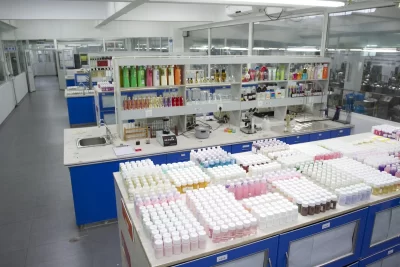
CTA 4: Schedule a Factory Tour
Interested in visiting our manufacturing facilities? Schedule a factory tour to see our production processes firsthand and meet our team of experts.
CTA 5: Subscribe to Our Newsletter
Stay updated on the latest trends and insights in the cosmetics manufacturing industry by subscribing to our newsletter. Get exclusive tips on MOQ negotiation, product development, and market entry strategies.