

Private label skincare manufacturing in China has emerged as a game-changer for global beauty brands looking to launch high-quality products at competitive prices. This comprehensive guide will walk you through every step of the private label process in China—from finding the right manufacturer to navigating regulatory compliance and scaling your brand. We’ll share data-driven insights, real-world case studies, and actionable strategies to help you succeed in the Chinese skincare manufacturing ecosystem.
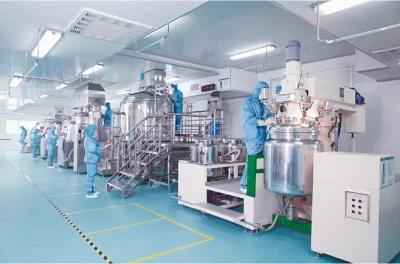
Understanding Private Label Skincare Manufacturing in China
1.1 What is Private Label Skincare Manufacturing?
Private label skincare manufacturing allows brands to create custom products under their own brand name using a manufacturer’s pre-developed formulas or custom formulations. We’ll explain the difference between private label and white label, and why China is the top choice for private label skincare (e.g., 70% of global private label skincare is produced in China).
1.2 The Growth of Private Label Skincare in China
We’ll share market data on the growth of private label skincare in China (CAGR of 15% from 2023–2028) and why global brands are turning to Chinese manufacturers. We’ll also discuss key trends, such as the rise of clean beauty and personalized skincare.
Key Benefits of Private Label Skincare Manufacturing in China
2.1 Cost-Effectiveness and Scalability
Chinese manufacturers offer competitive pricing due to economies of scale and a robust supply chain. We’ll provide cost benchmarks: a 50ml serum costs $2–$5 to produce in China, compared to $8–$15 in the US. We’ll also explain how to scale production from small batches (100 units) to large volumes (100,000+ units).
2.2 Access to Advanced Formulation Technology
China has invested heavily in skincare R&D, with over 1,000 active ingredient patents filed in 2023. We’ll discuss how brands can leverage Chinese manufacturers’ expertise in ingredients like hyaluronic acid, niacinamide, and CBD to create innovative products.
How to Find a Reliable Private Label Skincare Manufacturer in China
3.1 Researching and Vetting Manufacturers
We’ll provide a step-by-step guide to finding manufacturers, including using platforms like Alibaba, attending trade shows (e.g., Canton Fair), and verifying credentials (GMP, ISO 22716, FDA registration). We’ll also share red flags to avoid (e.g., manufacturers with no physical address or vague pricing).
3.2 Evaluating Manufacturer Capabilities
We’ll explain how to assess a manufacturer’s capabilities, including production capacity, formulation expertise, and packaging options. We’ll also provide a checklist of questions to ask manufacturers (e.g., “What is your MOQ for custom formulations?”).
The Private Label Skincare Manufacturing Process in China
4.1 Formulation Development
We’ll walk you through the formulation process: from submitting your product brief to testing and finalizing the formula. We’ll explain how to communicate your vision to manufacturers (e.g., using sample products or detailed specifications).
4.2 Packaging and Labeling
Packaging is critical for brand identity. We’ll discuss packaging options in China (e.g., glass, plastic, aluminum) and how to design labels that comply with global regulations (e.g., ingredient lists, usage instructions).
Regulatory Compliance for Private Label Skincare
5.1 China’s Cosmetics Regulations
We’ll outline China’s strict cosmetics regulations, including the Cosmetic Supervision and Administration Regulation (CSAR) and the requirement to register products with the NMPA. We’ll also explain how to navigate the registration process (typically 3–6 months).
5.2 Global Regulatory Compliance
If you plan to sell your product in other markets, you must comply with local regulations. We’ll cover key requirements for the EU (CPNP), US (FDA), and Southeast Asia (ASEAN Cosmetics Directive).
Quality Control and Testing
6.1 In-Process Quality Control
We’ll explain how Chinese manufacturers ensure quality during production, including raw material testing, in-process inspections, and final product testing. We’ll also discuss how to conduct third-party testing to verify product safety.
6.2 Post-Production Quality Checks
After production, you’ll need to conduct a final quality check. We’ll provide a checklist of items to inspect (e.g., packaging integrity, product consistency) and how to handle defective products.
Pricing and Cost Structure
7.1 Understanding Pricing Factors
Pricing for private label skincare depends on factors like product type, ingredients, packaging, and order quantity. We’ll provide a cost breakdown: raw materials (30–50% of total cost), labor (10–20%), packaging (15–30%), and overhead (5–10%).
7.2 Negotiating Pricing with Manufacturers
We’ll share tips for negotiating pricing, including bulk discounts, long-term contracts, and value-added services (e.g., free design). We’ll also explain how to avoid hidden costs (e.g., mold fees, shipping charges).
Case Studies: Successful Private Label Skincare Brands in China
8.1 Case Study 1: A D2C Brand’s Journey with Private Label
We’ll analyze a direct-to-consumer brand that used private label skincare manufacturing in China to launch a line of clean beauty products. The case study includes cost breakdowns, marketing strategies, and how the brand achieved $2M in revenue in 18 months.
8.2 Case Study 2: A Luxury Brand’s Private Label Expansion
This case study focuses on a luxury skincare brand that used private label to expand its product line. We’ll discuss how they maintained quality while scaling production and entering new markets.
Scaling Your Private Label Skincare Brand
9.1 From Small Batches to Mass Production
We’ll explain how to scale production from small test batches to large volumes. We’ll discuss strategies like forecasting demand, building inventory, and optimizing supply chain logistics.
9.2 Marketing and Branding Your Private Label Products
We’ll share marketing strategies for private label skincare, including social media marketing, influencer partnerships, and content marketing. We’ll also discuss how to build a strong brand identity that resonates with your target audience.
Future Trends in Private Label Skincare Manufacturing
10.1 The Rise of Customized Skincare
We’ll discuss the trend of personalized skincare and how Chinese manufacturers are using AI and data to create custom products for consumers. We’ll also explain how brands can leverage this trend to differentiate themselves.
10.2 Sustainability in Private Label Manufacturing
Sustainability is a growing concern for consumers. We’ll discuss how Chinese manufacturers are adopting sustainable practices (e.g., eco-friendly packaging, renewable energy) and how brands can highlight these efforts in their marketing.
Conclusion
Private label skincare manufacturing in China offers global brands a cost-effective and scalable way to launch high-quality products. By following the steps outlined in this guide, you’ll be able to find a reliable manufacturer, navigate regulatory compliance, and scale your brand successfully. Remember to prioritize quality control, clear communication, and long-term partnerships to achieve lasting success.
Call to Action 1
Ready to launch your private label skincare brand? Our team can connect you with trusted manufacturers in China. Contact us today for a free consultation. Click here to learn more
Call to Action 2
Join our community of beauty entrepreneurs! Sign up for our newsletter to receive exclusive tips on private label skincare manufacturing. Subscribe now
Call to Action 3
Looking for a private label skincare manufacturer in China? Browse our directory of verified manufacturers and request a quote. Find a manufacturer
Call to Action 4
Have questions about private label skincare manufacturing in China? Send us a message via WhatsApp at +86 134 8026 8601 for personalized advice. Message us now
Call to Action 5
Ready to start your private label skincare journey? Book a one-on-one strategy session with our experts. Book now