
In today’s booming skincare industry, skincare OEM manufacturers have become the invisible engine driving industry innovation. These behind-the-scenes experts not only provide production support for countless well-known brands but are also the core force behind technology R&D, formula innovation, and quality control. As consumers increasingly demand higher standards for skincare product ingredients, efficacy, and safety, the professional capabilities of OEM manufacturers directly determine the market competitiveness of end products. This article will delve into the comprehensive value, selection criteria, collaboration processes, and industry trends of skincare OEM manufacturers, providing a complete guide for brands seeking contract manufacturing partnerships.
Current State and Market Value of the Skincare OEM Industry
Analysis of the Global Skincare OEM Market Landscape
The skincare OEM (Original Equipment Manufacturer) industry has become a crucial pillar of the global cosmetics industry. According to the latest market research reports, the global cosmetics OEM/ODM market size is projected to reach nearly $90 billion by 2025, with a stable annual compound growth rate of over 5%. The Asia-Pacific region, particularly China, South Korea, and Japan, has become the primary hub for global skincare OEM manufacturing, accounting for over 45% of the global market share.
This regional concentration stems from multiple factors: the long history of botanical ingredient research in Asian countries, relatively well-established production infrastructure, cost-effectiveness advantages, and deep understanding of Asian skin types. Especially in China, skincare OEM manufacturers have undergone a transformation over the past decade from “low-cost contract manufacturing” to “high-tech value providers.” Many top manufacturers have obtained international certifications such as ISO22716 and GMPC, complying with quality standards from the EU, US, Japan, and other regions.
Core Value Created by OEM Models for Brands
The skincare OEM model provides brand owners with multiple strategic advantages, explaining why this collaboration method is widely adopted from startup brands to international giants:
Lowering Entry Barriers and Risk Control: For emerging brands, building their own production lines requires tens of millions or even hundreds of millions in upfront investment, along with lengthy construction periods and qualification approval processes. Through OEM collaboration, brands can enter the market quickly with relatively smaller capital investment, transferring production risks to professional manufacturers. Statistics show that using the OEM model can shorten time-to-market by 60-70% and reduce initial investment by over 80%.
Professional Division of Labor and Efficiency Optimization: Skincare OEM manufacturers specialize in product R&D, production technology, and quality control, accumulating deep professional knowledge and technical reserves. This specialization allows brands to focus on their core competencies—market research, brand building, marketing, and channel management—achieving optimal resource allocation.
Technology Access and Innovation Acceleration: Top OEM manufacturers typically have R&D teams numbering in the dozens or even hundreds, investing substantial funds annually in raw material research, formula development, and process innovation. Brands can quickly access these advanced technologies through collaboration without duplicating R&D investments. Particularly in today’s market environment where “ingredient-conscious” consumers are rising, the cutting-edge research achievements of OEM manufacturers become key sources of product differentiation for brands.
Supply Chain Stability and Economies of Scale: Large OEM manufacturers leverage their purchasing volume advantages to source high-quality raw materials at lower costs and ensure supply chain stability. This scale effect ultimately translates into cost advantages and market supply security for brand owners, especially important in market environments with frequent raw material price fluctuations.
How to Choose a High-Quality Skincare OEM Manufacturer
Qualification Certification and Compliance Assessment
When selecting a skincare OEM manufacturer, compliance and professional qualifications are the mandatory hard indicators that must be assessed first:
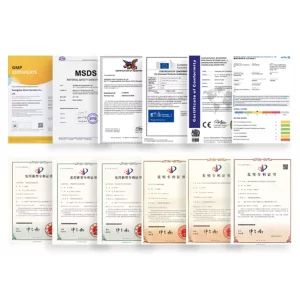
International Certification Systems: Quality manufacturers should possess at least ISO22716 (Cosmetics Good Manufacturing Practices) certification, the globally recognized standard for cosmetic production quality management. Additionally, depending on target markets, specialized qualifications such as GMPC (US/EU Cosmetic Good Manufacturing Practices), KFDA (Korea Food and Drug Administration certification), or China’s National Medical Products Administration Cosmetic Production License may be required. These certifications represent not only the manufacturer’s compliance but also the completeness of their quality management system.
Raw Material and Ingredient Compliance: Different markets have strict regulations on cosmetic ingredients. Manufacturers need to be familiar with major market regulatory requirements such as EU Cosmetic Regulation (EC) No 1223/2009, US FDA cosmetic regulations, and China’s “Cosmetics Supervision and Administration Regulations,” ensuring formulas comply with target market access standards. Experience is particularly important in specialized areas such as natural/organic certifications (like COSMOS, ECOCERT), halal certification, and vegan certification.
Safety Records and Recall History: Investigating manufacturers’ past safety records and recall history is crucial. Historical compliance can be checked through regulatory agency public databases to assess their quality stability. While no manufacturer is perfect, their response speed, transparency, and improvement measures for quality issues should be carefully examined.
Need help verifying manufacturer qualifications? [Send qualification documents via WhatsApp](通过 WhatsApp 分享 are the qualifications of the manufacturer we are considering, please assist with professional verification), our compliance experts can provide third-party assessment opinions.
R&D Capability and Technical Expertise Assessment
A manufacturer’s R&D capability directly determines product innovation potential and should be evaluated from multiple dimensions:
R&D Team and Facilities: Understand the size, background, and professional structure of the manufacturer’s R&D team. Top OEM manufacturers typically have multidisciplinary R&D teams covering skin science, chemical engineering, pharmacology, botany, and more. On-site inspection of the advanced equipment in R&D laboratories, completeness of testing instruments, and richness of research databases provide intuitive indicators of R&D strength.
Formula Library and Intellectual Property: Mature manufacturers should possess a rich library of proven formulas covering different skin types, efficacies, and price points. More importantly, understand the quantity and fields of their proprietary intellectual property, particularly patent reserves in areas like specialized ingredient extraction technologies, delivery systems (such as liposomes, nano-encapsulation), and stability technologies.
Specialized Technologies and Expertise Areas: Different manufacturers often have their own areas of specialization. Some focus on natural organic skincare, leading in plant extraction and fermentation technologies; others excel in functional skincare with unique technologies in active ingredient stabilization and transdermal absorption; while some have deep expertise in specific formulations (like freeze-dried powders, ampoules, microcapsule serums). Matching brand positioning with manufacturer expertise is crucial.
Innovation Process and Customer Involvement: Understand if the manufacturer’s innovation process allows deep customer participation. Excellent manufacturers should provide transparent collaboration processes from market insight, concept development, formula design to sample testing, allowing clients to provide input and feedback at key stages. This collaborative innovation model better translates brand philosophy into product language.
Want to learn about leading manufacturers in specific technology fields? [WhatsApp us immediately](通过 WhatsApp 分享am looking for OEM manufacturer recommendations specializing in [please specify technology field, e.g.: microbiome skincare]) to receive a list of suppliers matching your technical needs.
Complete Process Analysis of Skincare OEM Collaboration
Development Stage: From Concept to Sample
Skincare OEM collaboration begins with clear product concept communication and systematic development processes:
Requirement Analysis and Brief Development: Brand owners need to provide detailed product briefs including target consumer profiles, market positioning, price range, main competitor analysis, core efficacy requirements, ingredient preferences or restrictions, packaging preferences, and expected launch timelines. More detailed briefs reduce subsequent revisions and improve development efficiency. Professional manufacturers provide standardized brief templates and assist brands in refining requirement definitions.
Concept Validation and Formula Direction: Based on the product brief, the manufacturer’s R&D team conducts initial concept development, proposing 2-3 formula directions for selection. This stage may include core active ingredient combination plans, texture and fragrance descriptions, and preliminary cost estimates. After both parties agree on the concept direction, specific formula development begins.
Laboratory Sample Development: The R&D team develops laboratory-scale formulas according to the selected direction, typically producing 3-5 preliminary samples. This stage focuses on formula stability, compatibility, sensory characteristics (texture, fragrance, skin feel), and preliminary efficacy data. Brand owners receive these initial samples for preliminary evaluation.
Sample Testing and Optimization: After evaluating laboratory samples, brand owners provide detailed feedback. Manufacturers adjust formulas based on feedback, typically requiring 2-4 optimization cycles until samples completely meet brand requirements. This stage usually takes 4-8 weeks, depending on formula complexity and adjustment scope.
Stability and Compatibility Testing: After formula finalization, accelerated stability testing (typically 1-3 months under 40°C/75%RH conditions) is required to evaluate product physicochemical stability under extreme conditions. Simultaneous packaging compatibility testing ensures no adverse reactions between product and packaging materials. These tests are critical steps in ensuring product shelf-life quality.
Need a professional product brief template? [Send “Get brief template” via WhatsApp](通过 WhatsApp 分享 brief template) to receive our optimized product development requirement form for free.
Production and Quality Control Stage
After sample confirmation, collaboration enters the scale production stage, with quality control:
Raw Material Procurement and Inspection: Manufacturers procure raw materials according to confirmed formulas, with each batch undergoing strict incoming inspection including purity testing, microbial limits, heavy metal content, and multiple other indicators. Quality manufacturers establish stricter testing standards for key active ingredients and retain traceability information for each raw material batch.
Trial Production and Process Validation: Before mass production, small-batch trial production (e.g., 100-500 units) is typically conducted to verify production process feasibility and produce samples identical to final products for final brand confirmation. This stage further optimizes production process parameters to ensure product consistency.
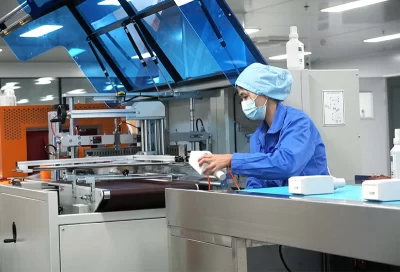
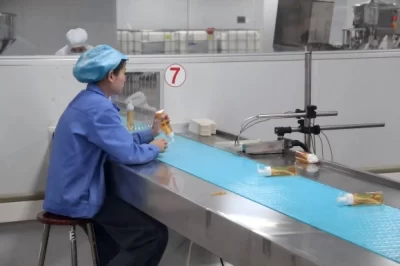
Scale Production: After trial production confirmation, formal production begins. Modern skincare production lines are highly automated, with strict process controls and online monitoring at every stage from weighing, mixing, emulsification, filling to packaging. Production environment cleanliness (typically requiring 100,000-class cleanroom standards), temperature/humidity control, and personnel operation standards directly affect final product quality.
End-to-End Quality Control: Quality manufacturers implement comprehensive quality control systems from raw materials to finished products. This includes: Incoming Quality Control (IQC), In-Process Quality Control (IPQC), Outgoing Quality Control (OQC), and sample retention for long-term stability monitoring. Each product batch retains detailed production records and quality inspection reports, ensuring complete traceability.
Third-Party Testing and Certification: Beyond internal quality control, important batches or new products are typically sent to third-party authoritative agencies for testing, obtaining safety reports for microorganisms, heavy metals, hormones, pesticide residues, etc. Products with specific claims (such as sun protection, whitening, anti-aging) require efficacy verification testing, usually conducted by third-party clinical evaluation institutions.
Have specific questions about the production process? [Schedule a virtual factory tour via WhatsApp](通过 WhatsApp 分享virtual factory tour to understand production lines and quality control processes) to view production environments and quality control环节 in real-time.
Skincare OEM Industry Development Trends and Innovation Directions
Technology R&D Frontiers and Innovation Focuses
The skincare OEM industry is undergoing a profound transformation from “standardized production” to “innovation-driven,” with technology R&D focusing on multiple前沿领域:
Precision Skincare and Personalization: With advancements in genetic testing and skin diagnostic technologies, personalized skincare has become a significant trend. OEM manufacturers are developing modular formula systems and flexible production processes supporting small-batch, multi-batch, customized production. By analyzing individual skin data through AI algorithms to match optimal active ingredient combinations and concentrations, truly “customized-for-skin” products are achieved. While fully personalized production still faces cost challenges, detailed formulas targeting different skin types (like oily sensitive skin, dry aging skin) have become mainstream.
Biotechnology and Green Chemistry: Biotechnology applications in skincare ingredient preparation—such as bio-fermentation, plant stem cell culture, and enzymatic synthesis—are becoming increasingly widespread. Compared to traditional chemical synthesis or plant extraction, biotechnology offers advantages in sustainability, controllable purity, and high activity. Meanwhile, green chemistry principles drive manufacturers to develop more environmentally friendly synthesis routes and biodegradable ingredients, reducing environmental footprints.
Advanced Delivery Systems: Enhancing active ingredient stability, penetration, and targeting remains an R&D priority. Advanced delivery systems like liposomes, nanoemulsions, microcapsules, and solid lipid nanoparticles have become standard in premium products. Latest developments include responsive release systems (releasing actives based on skin pH, temperature, or enzyme environment) and innovative formulations like transdermal microneedle patches.
Skin Microbiome Balance: Skin microbiome research brings全新视角 to skincare. Prebiotics, postbiotics, and specific strain extracts targeting skin flora balance have become R&D hotspots. Manufacturers are developing selective antimicrobial ingredients that don’t affect beneficial flora and microbial metabolites promoting skin barrier function.
Want to learn about application solutions for specific in products? [Send technology keywords via WhatsApp](通过 WhatsApp 分享 want to learn about application cases and cost analysis for [e.g.: microcapsule delivery technology]) to receive technology white papers and case studies.
Sustainable Development and Ethical Manufacturing
Rising environmental awareness and ethical consumption drive OEM manufacturers to comprehensively upgrade in sustainable development:
Green Supply Chain Management: Full-chain environmental optimization from raw material procurement to production waste. This includes prioritizing sustainably certified raw materials (like RSPO-certified palm oil derivatives), adopting water/energy-saving production processes, reducing packaging material usage, and developing recyclable or biodegradable packaging solutions. Leading manufacturers have begun publishing carbon footprint reports and setting clear emission reduction targets.
Cruelty-Free and Ethical Standards: Animal testing bans continue expanding globally. Manufacturers need to establish comprehensive non-animal testing methods (like in vitro 3D skin models, computer prediction models) to evaluate product safety and efficacy. Simultaneously, ensuring supply chains involve no animal cruelty and transparently disclosing relevant policies and certifications (like Leaping Bunny certification).
Fair Trade and Community Support: For brands using traditional botanical ingredients, manufacturers increasingly establish fair trade relationships with communities in ingredient source regions, ensuring growers receive fair compensation and supporting local sustainable development projects. This ethical procurement not only meets consumer expectations but also helps ensure long-term stable supply of rare ingredients.
Transparency and Traceability: Digital technologies like blockchain are applied to ingredient溯源. Consumers can scan product QR codes to learn about each ingredient’s origin, production process, and quality testing data. This full-chain transparency is expanding from premium to mainstream markets, becoming an important tool for brand trust building.
Need to develop your brand’s sustainability strategy? [Contact us via WhatsApp](通过 WhatsApp 分享 need to develop our brand ESG strategy, please provide OEM-side sustainable solutions) for complete solutions including eco-friendly packaging and green formulas.
Key Elements of Successful Collaboration and Risk Management
Building Win-Win Partnerships
The collaboration between skincare brands and OEM manufacturers is essentially a long-term partnership, with successful cooperation based on multiple key elements:
Clear Intellectual Property Agreements: Ownership and usage rights of formulas, technologies, packaging designs, and other intellectual property must be. Typically,owned by manufacturers remain with manufacturers, while exclusive formulas developed for specific brands belong to brand owners or are shared. Clear IP agreements prevent future disputes and protect both parties’ innovation investments.
Open Communication Mechanisms: Establish regular communication mechanisms and clear decision-making processes to ensure smooth information flow. This includes designating project leads from both parties, scheduling regular technical meetings, and defining issue escalation paths. Digital collaboration platforms are increasingly common, enabling real-time sharing of formula modifications, sample feedback, and production progress tracking.
Flexibility and Responsiveness: Rapid market changes may require brands to quickly adjust product lines. Manufacturers’ flexible production capabilities (like minimum order quantities, production cycles, change response speeds) directly impact brands’ market adaptability. Particularly under the “fast beauty” trend driven by social media, compressing time from concept to market to 3-4 months has become competitive.
Mutual Growth and Innovation Sharing: The most successful collaborations are often journeys of mutual growth between brands and manufacturers. Brands share market insights and consumer feedback, manufacturers provide technical solutions and innovative concepts, forming a virtuous cycle. Some long-term collaborations even jointly invest in specific R&D directions, sharing innovation.
Need standard collaboration agreement templates for reference? [Send “Agreement template” via WhatsApp](通过 WhatsApp 分享key clause templates for OEM collaboration agreements) to receive framework documents covering IP, confidentiality, quality, and other key points.
Risk Management and Contingency Planning
Skincare production involves complex supply chains and strict regulations, requiring systematic risk management mechanisms:
Supply Chain Diversification and Backup Plans: Over-reliance on single raw material suppliers or production bases poses risks. Quality manufacturers establish multi-source supply systems for critical raw materials and maintain backup production bases in different regions to address supply chain disruption risks from natural disasters, trade restrictions, or public health emergencies.
Regulatory Change Early Warning Systems: Global cosmetics regulations continuously update, such as China’s “Cosmetics Supervision and Administration Regulations” and EU cosmetic regulation revisions. Manufacturers need regulatory monitoring mechanisms to提前预警 changes potentially affecting product compliance, assisting brands in adjusting formulas or labels to ensure uninterrupted market access.
Quality Crisis Response Plans: Even the strictest quality control cannot completely eliminate issues. Establishing comprehensive crisis response plans covering problem identification, root cause analysis, corrective actions, customer communication, and product recalls (if needed) is essential. Regular simulation drills improve team emergency response capabilities.
Data Security and Confidentiality Management: Skincare formulas are brands’ core assets. Manufacturers must establish comprehensive data security and confidentiality systems including physical isolation, digital encryption, access control, employee confidentiality agreements, etc. Particularly important are post-collaboration termination formula handling and data destruction procedures, which must be clearly specified in contracts.
Have specific risk management questions? [Consult immediately via WhatsApp](通过 WhatsApp 分享 are concerned about [specific risk, e.g.: raw material supply] issues, please provide contingency recommendations) for targeted risk mitigation solutions.
Conclusion and Call to Action
Skincare OEM manufacturers have evolved from simple contract producers to core technical partners in brand innovation ecosystems. In today’s industry context of increasingly sophisticated consumers, rapidly changing markets, and continuously evolving technologies, selecting appropriate OEM manufacturers and establishing deep collaboration relationships has become a strategic cornerstone for skincare brands building long-term competitiveness.
Looking forward, as trends like personalized skincare, sustainable development, and digital transparency deepen, collaboration between brands and manufacturers will become closer, with boundaries increasingly blurred. Successful partnerships will be built on shared values, complementary professional capabilities, transparent communication, and joint innovation, ultimately providing consumers with safer, more effective, and more individually suitable skincare solutions, driving the entire industry toward more scientific, sustainable, and human-centered development.
Whether you’re a startup brand seeking your first partner or an established brand optimizing supply chain systems, deeply understanding the professional capabilities, innovation potential, and collaboration models of skincare OEM manufacturers will help you make wiser decisions in the competitive skincare market, creating truly differentiated, vibrant product lines.