
The global skincare market is projected to reach $200 billion by 2026, driven by consumer demand for personalized, effective, and sustainable products. For brands looking to capitalize on this growth, partnering with the right skincare product manufacturer is non-negotiable. This guide goes beyond basic selection tips to explore the technical, regulatory, and strategic aspects of working with a manufacturer—helping you build a product line that stands out in a crowded market.
1. The Science of Skincare Formulation: What to Expect from a Manufacturer
Custom Formulation vs. Pre-Formulated Solutions
Top skincare manufacturers offer two primary options: custom formulation (tailored to your brand’s unique ingredients and claims) and pre-formulated solutions (proven formulas you can rebrand). Custom formulation requires a manufacturer with a strong R&D team—look for expertise in active ingredients (e.g., retinol, vitamin C) and delivery systems (e.g., microencapsulation). Pre-formulated solutions are ideal for brands launching quickly, but ensure the manufacturer allows minor customizations (e.g., scent, texture).
Ingredient Innovation and Efficacy Testing
Reputable manufacturers invest in ingredient innovation to stay ahead of trends. Ask about their access to cutting-edge ingredients (e.g., bakuchiol, squalane) and their efficacy testing protocols. For example, a manufacturer should conduct clinical trials to prove a product’s anti-aging or hydrating claims. Transparency about testing results builds trust with consumers and differentiates your brand.
2. Regulatory Compliance: Navigating Global Standards
Regional Regulatory Requirements
Skincare products are subject to strict regulations that vary by region. For example:
- **U.S.**: FDA requires compliance with cGMP (Current Good Manufacturing Practices) and ingredient safety assessments.
- **EU**: EC 1223/2009 mandates ingredient labeling, safety reports, and compliance with REACH (Registration, Evaluation, Authorization, and Restriction of Chemicals).
- **Asia**: Japan’s MHLW and China’s NMPA have specific requirements for ingredient lists and testing.
Choose a manufacturer with experience in your target markets to avoid costly delays or non-compliance.
Certifications That Matter
Look for manufacturers with certifications that align with your brand’s values:
- **GMP/ISO 22716**: Ensures consistent quality and safety.
- **Organic Certifications**: USDA (U.S.), ECOCERT (EU), or COSMOS (global) for natural/organic products.
- **Cruelty-Free**: Leaping Bunny or PETA certification to appeal to ethical consumers.
These certifications not only ensure compliance but also serve as marketing assets to attract conscious buyers.
3. Production Capacity and Scalability: Preparing for Growth
Assessing Manufacturing Capabilities
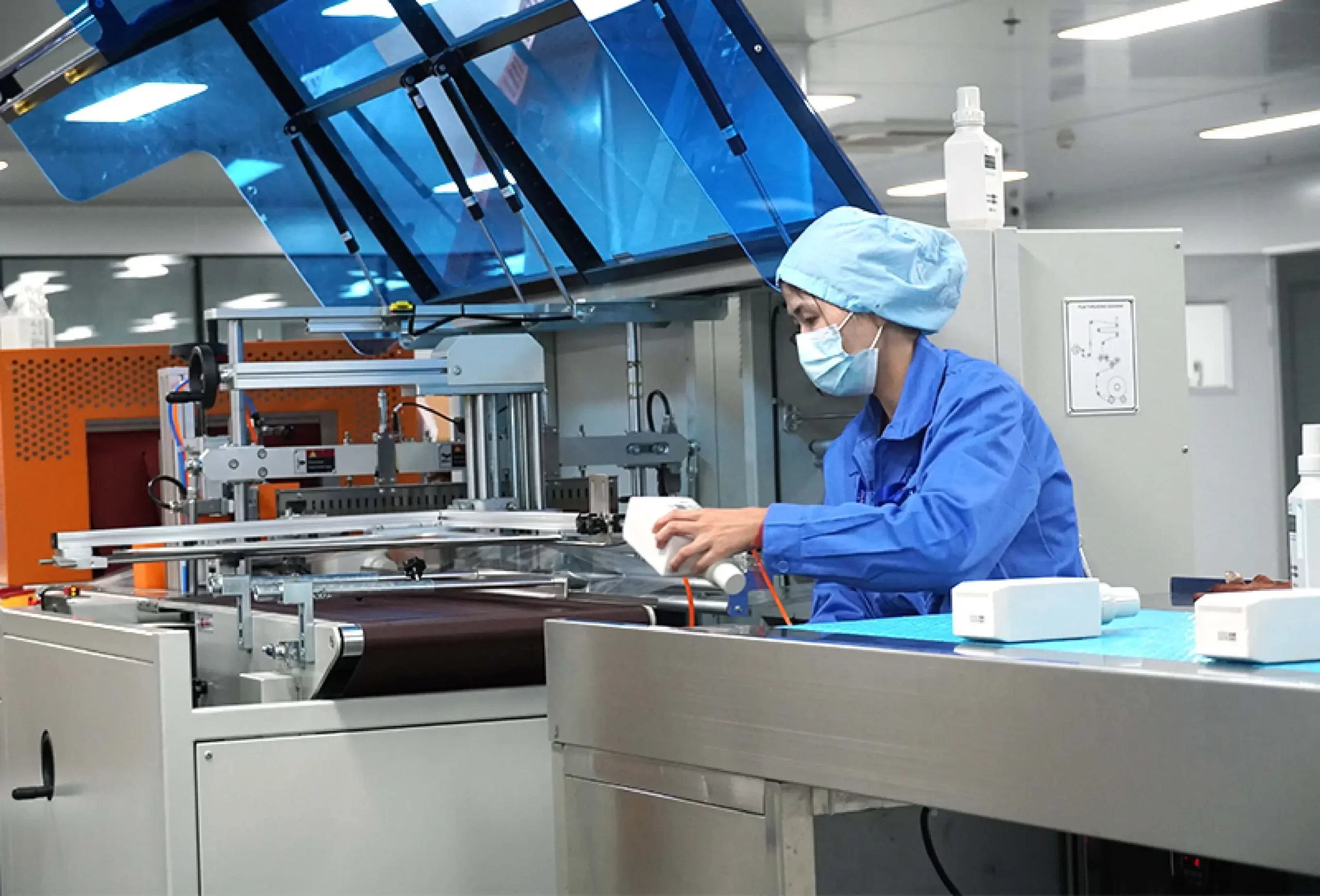
Manufacturers vary in their production capacity—some specialize in small-batch production (ideal for startups), while others handle large-scale runs (for established brands). Ask about their production lines, equipment (e.g., emulsifiers, filling machines), and ability to handle your product type (e.g., liquid serums vs. solid bars). A manufacturer with flexible capacity can grow with your brand.
Supply Chain Resilience
Disruptions in the supply chain (e.g., ingredient shortages, shipping delays) can derail product launches. Choose a manufacturer with a robust supply chain—look for partnerships with multiple suppliers, in-house ingredient storage, and contingency plans for disruptions. Transparency about supply chain risks and mitigation strategies is key.
4. Quality Control: Ensuring Consistency and Safety
In-Process and Finished Product Testing
Quality control (QC) is a cornerstone of skincare manufacturing. A reliable manufacturer will conduct:
- **In-Process Testing**: Checks during production (e.g., pH levels, viscosity) to catch issues early.
- **Finished Product Testing**: Microbiological testing (to detect bacteria/fungi), stability testing (to ensure shelf life), and packaging compatibility testing.
Ask for sample QC reports to verify the manufacturer’s commitment to quality.
Traceability and Recall Protocols
In the event of a product issue, traceability is critical. Choose a manufacturer that uses batch tracking systems to trace ingredients from source to finished product. They should also have clear recall protocols to quickly address safety concerns—this protects your brand reputation and ensures consumer safety.
5. Brand Collaboration: Beyond Manufacturing
Packaging and Design Support
Many manufacturers offer packaging design and sourcing services. This can save time and ensure your packaging aligns with your brand’s aesthetic and sustainability goals. Ask about their packaging options (e.g., recyclable materials, airless pumps) and design expertise.
Marketing and Regulatory Support
Top manufacturers go beyond production to support your brand’s success. Look for services like:
- Regulatory document preparation (e.g., safety data sheets, ingredient lists).
- Marketing collateral (e.g., product claims, ingredient benefits).
- Trend insights to help you stay ahead of consumer preferences.
This collaboration can streamline your go-to-market strategy and reduce the burden on your internal team.
6. Cost Analysis: Balancing Quality and Profitability
Understanding Pricing Structures
Skincare manufacturing costs vary based on:
- **Ingredient Quality**: Premium ingredients (e.g., organic, medical-grade) cost more but can justify higher retail prices.
- **Production Volume**: Larger batches often have lower per-unit costs.
- **Customization**: Custom formulations and packaging add to the cost.
Ask for a detailed cost breakdown to avoid hidden fees (e.g., tooling, testing) and ensure profitability.
ROI Considerations
While cost is important, focus on the return on investment (ROI). A higher-quality manufacturer may charge more, but their products are more likely to perform well, reduce returns, and build brand loyalty. Calculate the long-term ROI by considering factors like product efficacy, consumer reviews, and repeat purchases.
7. Case Studies: Successful Skincare Manufacturer Partnerships
Case Study 1: Glossier’s Custom Formulation Success
Glossier, a direct-to-consumer brand, partners with OEM manufacturers to produce custom formulations (e.g., the “Super Glow” serum). By working closely with their manufacturer, Glossier ensures their products align with their minimalist, effective brand identity. This partnership has helped Glossier become a cult favorite with a loyal customer base.
Case Study 2: The Ordinary’s Cost-Effective ODM Strategy
The Ordinary uses ODM manufacturers to produce pre-formulated skincare products at affordable prices. By leveraging the manufacturer’s existing formulas, The Ordinary can offer high-quality ingredients (e.g., hyaluronic acid, niacinamide) at a fraction of the cost of luxury brands. This strategy has made The Ordinary a leader in the budget skincare market.
8. Final Checklist: Choosing the Right Skincare Product Manufacturer
Key Questions to Ask
- Do you have experience with my product type and target market?
- Can you provide references from brands similar to mine?
- What certifications do you hold?
- How do you handle supply chain disruptions?
- What is your QC process?
Red Flags to Watch For
- Refusal to provide samples or QC reports.
- Unclear pricing or hidden fees.
- Lack of experience in your target market.
- Poor communication or slow response times.
Choosing the right skincare product manufacturer is a strategic decision that impacts every aspect of your brand. By focusing on formulation expertise, regulatory compliance, scalability, and collaboration, you can build a product line that resonates with consumers and drives long-term success. Remember to prioritize transparency, quality, and alignment with your brand’s values to create a partnership that lasts.