
Selecting a skincare product manufacturer is one of the most critical decisions for beauty brands—whether you’re launching a new line or scaling an existing one. The right manufacturer will not only produce high-quality products but also align with your brand’s values, support your growth, and help you navigate the complex regulatory landscape. This guide will walk you through the key factors to consider when choosing a skincare product manufacturer, ensuring you make an informed decision that drives success.
1. Define Your Skincare Product Goals and Requirements
Identify Your Product Type and Niche
Before approaching manufacturers, clarify your product range (e.g., cleansers, serums, moisturizers) and niche (e.g., natural, organic, anti-aging). Different manufacturers specialize in specific product types—for example, some excel in organic formulations, while others focus on high-tech skincare (e.g., retinol, hyaluronic acid). Understanding your niche will help you narrow down manufacturers with relevant expertise.
Set Production Volume and Budget
Determine your initial production run and long-term growth plans. Manufacturers often have minimum order quantities (MOQs), which can range from 500 to 10,000 units depending on the product. Be realistic about your budget—custom formulations and premium ingredients will cost more, but they can differentiate your brand. Balance cost with quality to ensure profitability.
2. Evaluate Manufacturer Expertise and Specialization
Check Formulation Capabilities
A reputable skincare manufacturer should have a strong R&D team capable of developing custom formulations or adapting existing ones to your needs. Ask about their experience with your product type—for example, if you’re launching a CBD-infused serum, ensure the manufacturer has experience with hemp-derived ingredients and can navigate regulatory requirements.
Assess Ingredient Sourcing and Sustainability
Consumers increasingly prioritize sustainable and ethically sourced ingredients. Inquire about the manufacturer’s ingredient suppliers, whether they use organic or fair-trade materials, and their environmental practices (e.g., waste reduction, renewable energy). Highlighting sustainable practices can attract eco-conscious customers and set your brand apart.
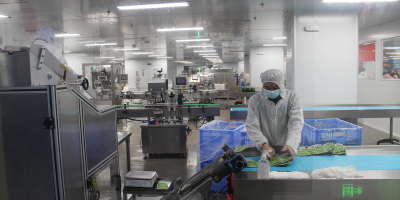
3. Verify Regulatory Compliance and Quality Control
Check Certifications and Standards
Ensure the manufacturer complies with local and international regulations, such as FDA (U.S.), EU Cosmetics Regulation (EC 1223/2009), or ISO 22716 (GMP for cosmetics). Look for certifications like GMP, organic (USDA, ECOCERT), or cruelty-free (Leaping Bunny). Non-compliance can lead to product recalls, legal issues, and damage to your brand reputation.
Review Quality Control Processes
Inquire about the manufacturer’s quality control (QC) procedures, including raw material testing, batch testing, and stability testing. A reliable manufacturer will have transparent QC protocols to ensure consistency and safety. Ask for sample test reports or visit their facility to observe their processes firsthand.
4. Consider Production Capacity and Lead Times
Scalability for Future Growth
Choose a manufacturer that can accommodate your growth. If you plan to expand your product line or increase production volume, ensure the manufacturer has the capacity to scale without compromising quality. Delays in production can lead to stockouts and lost sales, so reliability is key.
Lead Time and Turnaround Efficiency
Ask about average lead times for production, testing, and shipping. Faster turnaround times can help you respond to market trends quickly, but don’t sacrifice quality for speed. A manufacturer with efficient processes and clear communication will keep you informed about timelines and potential delays.
5. Evaluate Communication and Customer Support
Transparency and Responsiveness
Effective communication is essential for a successful partnership. Evaluate how responsive the manufacturer is to your inquiries, whether they provide regular updates, and if they assign a dedicated account manager. A lack of communication can lead to misunderstandings and delays in product development.
Collaboration and Problem-Solving
Look for a manufacturer that values collaboration and is willing to work with you to solve challenges. For example, if you encounter formulation issues or need to adjust packaging, a proactive manufacturer will offer solutions and support. A strong partnership is built on mutual trust and problem-solving.
6. Analyze Cost and Pricing Structure
Understand All Costs Involved
Beyond the base product cost, consider additional expenses like tooling fees, packaging, shipping, and testing. Ask for a detailed breakdown of costs to avoid hidden fees. Compare quotes from multiple manufacturers, but remember that the cheapest option may not always be the best in terms of quality and reliability.
Negotiate Terms and Flexibility
Don’t be afraid to negotiate terms, especially if you plan to place large or recurring orders. Some manufacturers offer discounts for bulk purchases or long-term contracts. Ensure the pricing structure aligns with your budget and allows for profitability.
7. Request Samples and References
Test Product Quality with Samples
Always request samples of the manufacturer’s work to evaluate product quality, texture, scent, and packaging. Test the samples yourself and gather feedback from potential customers to ensure the product meets your standards. A manufacturer that refuses to provide samples may be hiding quality issues.
Check Client References and Reviews
Ask for references from current or past clients to learn about their experiences. Look for reviews online or in industry forums to gauge the manufacturer’s reputation. Positive feedback from brands similar to yours is a good indicator of reliability and quality.
8. Finalize the Partnership
Review Contracts and Agreements
Before signing a contract, carefully review all terms, including payment schedules, intellectual property rights, confidentiality clauses, and termination policies. Ensure the contract protects your brand’s interests and clearly outlines the manufacturer’s responsibilities.
Start with a Small Batch
To minimize risk, start with a small production run to test the manufacturer’s capabilities and product quality. This allows you to identify any issues before scaling up. Once you’re satisfied with the results, you can proceed with larger orders.
Choosing the right skincare product manufacturer is a strategic investment that impacts every aspect of your brand. By following these steps, you can find a partner that aligns with your vision, ensures product quality, and supports your growth. Remember to prioritize transparency, communication, and compliance to build a successful and long-lasting partnership.