
Against the backdrop of the fiercely competitive domestic beauty market in 2025, new product iterations in niche segments such as anti-aging, brightening, and repairing are accelerating. “Low-threshold startup + rapid iteration” has become the key for emerging brands to break through. However, most new brands are forced to withdraw due to high minimum order quantities (MOQs), long R&D cycles, and hidden costs. Small-batch Cosmetics OEM solutions, with core advantages of flexible adaptation, controllable costs, and efficient market entry, have emerged as the optimal choice for startups to avoid the red ocean and quickly seize market share. This article provides a actionable launch guide from four core dimensions: pain point analysis, process breakdown, cost control, and successful case studies.
H2: Startup Brand Pain Points: How Can Small-Batch Cosmetics OEM Solutions Address Them Precisely?
When entering the beauty market, startup brands often face the triple predicament of “difficult production, slow implementation, and high risk.” Small-batch Cosmetics OEM solutions are tailored to resolve these core pain points.
1. High-Threshold Trial-and-Error Pain Point: Dual Constraints of MOQ and Capital Pressure
Traditional OEM factories generally set MOQs above 5,000 units. For startups with limited budgets, a single production run requires hundreds of thousands of RMB in investment. If market feedback is poor, it easily leads to inventory backlogs and capital chain breaks. Data shows that 37% of emerging brands abandoned their launch plans in 2025 due to excessively high MOQs. Small-batch Cosmetics OEM solutions reduce the MOQ to the 1,000-5,000 unit range; Zhuhai Yisijia even offers a flexible policy of 1,000 units MOQ, allowing startups to launch trial production with only tens of thousands of RMB and effectively reducing market trial-and-error costs.
2. R&D and Compliance Pain Point: Dual Barriers of Technical Deficiency and Qualification Hurdles
Most startups lack professional R&D teams, making it difficult to grasp ingredient synergy logic and market trends, while also facing complex compliance filing challenges. On one hand, new product R&D cycles can last 6-12 months, easily missing market windows; on the other hand, general cosmetic filings take 1-2 months, and special-purpose cosmetics (e.g., brightening, sunscreen) require 6-12 months for filing, with high requirements for professional documentation and a high failure rate in reviews. Small-batch Cosmetics OEM solutions solve this dilemma through “mature formula libraries + one-stop compliance services”: manufacturers such as Guangzhou Kaimi and Mingyu have 5,000-10,000+ mature formulas covering popular functional segments, enabling direct production docking; they also provide full-process services including formula review, testing, and filing. Guangzhou Bawei Biotechnology even achieves a 100% pass rate for special-purpose cosmetic filings, allowing brands with zero experience to quickly launch products in compliance.
3. Production and Delivery Pain Point: Dual Shortcomings of Capacity Flexibility and Efficiency
Traditional OEM production lines have poor adaptability, with small orders scheduled later, and delivery cycles often exceeding 45 days. Especially during e-commerce peak seasons, delayed deliveries can easily result in missed sales opportunities. Additionally, the layout of a single production base faces sudden risks such as logistics disruptions and equipment failures, further exacerbating supply chain instability. Small-batch Cosmetics OEM solutions address these issues through intelligent production lines and flexible manufacturing models: Zhuhai Yisijia achieves “72-hour delivery from concept to sample,” Guangdong Beihao Biotechnology completes mask sample production in 72 hours, and Guangzhou Tianxi Biotechnology fulfills small-batch orders (3,000 units MOQ) in just 20-30 days, perfectly adapting to startups’ needs for rapid replenishment and new product iteration.
4. Quality Control and Hidden Cost Pain Point: Dual Traps of Quality Risks and Budget Overruns
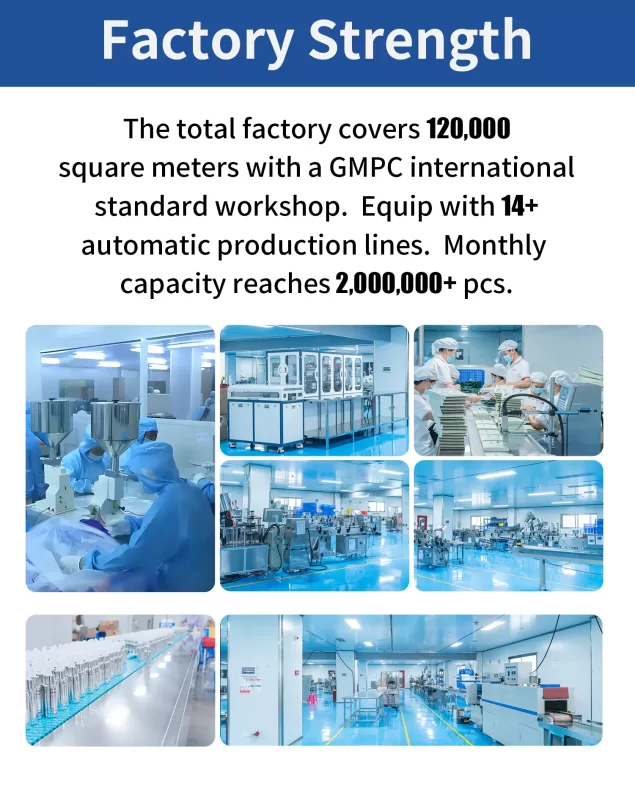
Some unscrupulous OEM factories cut corners on raw materials and operate in substandard production environments, leading to product issues such as microbial contamination and unstable efficacy, which trigger consumer complaints and regulatory penalties. Meanwhile, numerous hidden charges for formula optimization, packaging design, and filing agency services cause startups to exceed their budgets significantly. Small-batch Cosmetics OEM solutions avoid these risks through standardized services and full-chain quality control: top manufacturers hold international certifications such as GMPC and ISO22716; Guangzhou Kaimi has a 100,000-class cleanroom, with 36 inspection processes from raw materials to finished products; manufacturers like Guangzhou Mingyu offer 10 free services including formula optimization and packaging design, with clear contract terms and no hidden fees, ensuring brands have controllable costs and reliable quality.
H2: Production Process: A Comprehensive Practical Breakdown of Small-Batch Cosmetics OEM
The core advantage of small-batch Cosmetics OEM lies in simplified processes and improved efficiency, but strict adherence to standardized steps is crucial to ensuring product quality and launch efficiency. Below is a full-process breakdown from brand preparation to finished product delivery:
1. Preparatory Stage: Brand Foundation and Positioning Confirmation (1-15 Days)
- Qualification Handling: Complete company registration (business scope must include “cosmetic production/sales”) and trademark registration (prioritize Class 3 core beauty categories; for urgent needs, purchase an R-mark directly to save 9-12 months).
- Product Positioning: Clarify target audience and price range—high-end lines (unit price > RMB 300) should focus on patented ingredients and differentiated formulas, while mass-market lines (RMB 50-200) emphasize cost-effectiveness and visual design; prioritize low-risk categories such as masks, essence samples, and body lotions, and avoid high-compliance-threshold segments like brightening/spot-lightening and baby skincare.
- Factory Selection: Precisely connect through Alibaba (filter manufacturers with 4+ years of Integrity Management and Bull Head certification), industry exhibitions (Guangzhou Beauty Expo, Shanghai CBE), or search engines. Focus on inspecting qualification certifications (GMPC, ISO22716), production workshops (100,000-class cleanroom standard), sample rooms (200+ functional classified samples), and value-added services (filing agency, free design).
2. Core Cooperation: Formula Confirmation and Sampling Testing (7-15 Days)
- Formula Selection: Prioritize mature factory formulas (already filed with lower costs); for customization, provide functional requirements (e.g., anti-aging requiring pro-Xylane or peptides), and the OEM will match or adjust from the formula library; for special-certified products such as anti-aging and brightening, confirm if the factory has relevant qualifications—manufacturers like Guangzhou Mingyu hold multiple special-certified formulas to shorten the application cycle.
- Sampling Testing: Request 3-5 versions of samples from the factory and ensure quality through triple verification—ingredient list screening (top 3 ingredients for moisturizing products should include glycerin and hyaluronic acid), multi-skin type texture testing (moisturizing duration for dry skin, freshness for oily skin), and DIY testing (pH test paper for optimal pH 5.5-6.5, silver jewelry test for lead and mercury).
- Contract Signing: Clarify core terms—MOQ, unit price, sampling cycle (7-15 days), production cycle (20-30 days), late delivery compensation (1% of payment per day), commitment to consistency between bulk goods and samples. Recommend a 30% deposit + 70% balance payment method to reduce risks.
3. Production Execution: Packaging Procurement and Bulk Production (20-30 Days)
- Packaging Customization: For limited budgets, choose ready-made packaging such as PETG hoses (30% lower cost than glass bottles); for high-end positioning, select acrylic bottles + electroplated caps; during sampling, test sealing (no leakage after 1 minute of shaking) and feel (smooth cap rotation); produce 200 pre-production samples to check batch code positioning and label adhesion quality before bulk production.
- Compliance Filing: OEMs handle general cosmetic filings on behalf of brands (1-2 months, cost RMB 2,000-5,000); special-purpose cosmetics require human efficacy testing and application 6-12 months in advance; request the factory to provide formula compliance review reports and raw material testing certificates to ensure no prohibited ingredients.
- Production Monitoring: Require the factory to update progress weekly and provide raw material feeding videos (to confirm imported raw material sources) and filling line videos (to check operational standards); focus on production environment (workers wearing masks and gloves, no rust on equipment) and raw material warehouses (clear labeling, no pungent odors).
4. Finished Product Delivery: Quality Inspection and Logistics Connection (3-7 Days)
- Quality Inspection: Randomly select 5 cartons of samples to check appearance (no scratches on bottles, centered labels), contents (consistent color and texture with samples), and packaging (carton compression test compliance); request the factory to provide factory inspection reports, and entrust third-party testing institutions for sampling inspection if necessary.
- Logistics and Warehousing: Choose logistics methods based on sales channels—for e-commerce channels, request the factory to ship directly to the warehousing center; reserve 5% of spare products for small-batch orders to address transportation damage or after-sales needs.
H2: Cost Control: Money-Saving Strategies for Small-Batch Cosmetics OEM, Boosting Budget Utilization by 50%
The core demand of startups is to “achieve more with less.” Small-batch Cosmetics OEM can achieve optimal costs while ensuring quality through the following strategies:
1. Formula and MOQ Optimization: Reduce Core Production Costs
- Prioritize Mature Formulas: Using mature factory formulas (already filed) can save 30%-50% of R&D costs and shorten the filing cycle by over 60%. For example, startups focusing on plant-based skincare can use 28,000 mature formulas from Guangzhou Dongfang Biotechnology without additional R&D investment.
- Flexibly Adjust MOQ: Determine MOQ based on channel planning—1,000-3,000 units for private domain testing, 3,000-5,000 units for e-commerce launch; some factories support seamless connection between “small-batch trial production and large-batch scaling,” such as Guangdong Bawei Biotechnology, enabling rapid capacity expansion and unit cost reduction when subsequent orders surge.
- Focus on Single Function: Avoid “multi-function stacking” for initial products; focus on 1-2 core functions (e.g., “sensitive skin repair” or “late-night rescue”) to reduce raw material types and lower formula complexity and production costs.
2. Packaging and Service Costs: Avoid Hidden Consumption Traps
- Cost-Effective Packaging Combinations: Adopt the “standardized packaging + personalized labels” model—ready-made packaging is 40% cheaper than customized packaging; for packaging design, choose free factory templates or spend RMB 500-1,000 to hire third-party designers for 3 sets of plans to avoid homogenization caused by small factories using template designs.
- Integrate One-Stop Services: Select factories offering “R&D + production + testing + filing + design” one-stop services to save costs of coordinating multiple service providers separately. For example, Peng’s (Huizhou) provides full-chain services from brand planning to warehousing and logistics, avoiding hidden charges for filing agency and packaging quality inspection.
- Negotiate Value-Added Services: Secure free value-added services such as formula optimization, packaging procurement, and marketing consulting during signing. Cooperating brands with Guangzhou Mingyu enjoy 10 free services with a repeat order rate exceeding 80%, and long-term cooperation can further reduce unit prices.
3. Capital and Channel Planning: Improve Budget Turnover Efficiency
- Precise Capital Allocation: Refer to the RMB 20,000 startup template—RMB 15,000 for product production (500 units), RMB 2,000 for packaging design, RMB 1,000 for qualification handling, and RMB 2,000 for initial promotion, avoiding over-investment in a single link.
- Asset-Light Operation: Adopt the “small-batch trial production + pre-sale model” to adjust subsequent capacity based on market feedback and avoid inventory backlogs; prioritize social media promotion (Xiaohongshu seeding, Douyin live streaming) instead of traditional advertising to reduce customer acquisition costs.
- Supply Chain Optimization: Select geographically advantageous factories (e.g., many leading OEMs gather in Baiyun District, Guangzhou) to reduce logistics costs; sign framework agreements for long-term cooperation to lock in raw material prices and avoid market fluctuation risks.
H3: Case Studies: Practical Experiences of 3 Startups Achieving Rapid Launch Through Small-Batch Cosmetics OEM
Real cases are the best reference. The following 3 startups in different segments successfully achieved low-cost rapid launches by accurately utilizing small-batch Cosmetics OEM solutions, and their experiences are worth learning from:
Case 1: Sensitive Skin Repair Brand – 5,000 Units MOQ, Sold Out in 2 Weeks as a Private Domain Blockbuster
- Brand Background: Post-95 entrepreneur with no beauty industry experience, RMB 50,000 budget, focusing on the “sensitive skin repair” niche segment, mainly targeting private domain channels.
- OEM Solution: Cooperated with Guangzhou Kaimi Cosmetics, using its mature “ceramide + panthenol” repair formula (already filed), MOQ 5,000 units (unit price RMB 12); the factory provided free packaging design and filing services, with a production cycle of 25 days.
- Cost Control: Selected PETG hoses for packaging (cost RMB 1.8/unit), abandoned customized outer boxes, and adopted simple label design (RMB 0.3/unit), with a total production cost of RMB 75,000; invested RMB 10,000 in promotion, attracting traffic to private domains through seeding by 10 amateur Xiaohongshu bloggers.
- Results: The first batch of 5,000 units was priced at RMB 69 and sold out in 2 weeks, with a gross profit margin of 72%; based on user feedback, the formula was quickly adjusted by the OEM (adding centella asiatica extract), and the second order was increased to 10,000 units, achieving monthly sales exceeding RMB 1 million.
Case 2: Tech Anti-Aging Newcomer – 1,000 Units Trial Production, Iterating to a Blockbuster in 3 Months
- Brand Background: Derived from a medical aesthetics institution, RMB 100,000 budget, focusing on “tech anti-aging,” targeting unit prices above RMB 300, and layouting Douyin live streaming channels.
- OEM Solution: Cooperated with Zhuhai Yisijia, leveraging its “72-hour rapid sampling” advantage to first customize 1,000 units of pro-Xylane essence (MOQ 1,000 units, unit price RMB 45) for market testing; the factory provided patented ingredient authorization and integrated packaging design services, with a filing cycle of only 45 days.
- Cost Control: Selected acrylic bottles + electroplated pumps for packaging (cost RMB 8/unit), and environmentally friendly paper boxes for outer packaging (RMB 1.5/unit); invested RMB 30,000 in live streaming promotion, inviting 3 medical aesthetics bloggers for special live sales to test the conversion of different functional selling points.
- Results: The first batch of 1,000 units was sold out in 30 days; the texture was optimized based on user feedback (reducing stickiness), and the second order was 5,000 units priced at RMB 329, with single live streaming sales exceeding 800 units. Achieved monthly sales of RMB 5 million in 3 months, becoming a dark horse in the Douyin anti-aging segment.
Case 3: Baby Skincare Brand – 3,000 Units MOQ, Monthly Sales Exceeding 10,000 Units in 6 Months
- Brand Background: Transformed from a baby blogger, RMB 80,000 budget, focusing on “gentle baby skincare,” mainly targeting Xiaohongshu and community channels, with unit prices around RMB 150.
- OEM Solution: Cooperated with Guangdong Bawei Biotechnology, whose baby skincare formulas have multiple organic certifications, MOQ 3,000 units (unit price RMB 28); the factory provided imported raw material certificates and sensitive skin test reports, handling the entire filing process to ensure compliance.
- Cost Control: Selected food-grade PP materials for packaging (cost RMB 3/unit), with packaging design highlighting the “fragrance-free, preservative-free” selling point (design fee RMB 800); relied on the blogger’s existing fan base for promotion, investing RMB 15,000 in user trials and word-of-mouth communication.
- Results: The first batch of 3,000 units was sold out in 60 days; with “safe ingredients + blogger trust endorsement,” the repeat purchase rate reached 40%; within 6 months, the monthly order volume increased to 10,000 units, becoming a TOP 20 brand in the Xiaohongshu baby skincare category and successfully docking offline baby store channels.
Conclusion: Small-Batch Cosmetics OEM Helps Startups Avoid 90% of Detours
In today’s increasingly competitive beauty market, small-batch Cosmetics OEM solutions not only solve the core pain points of startups such as “limited funds, lack of experience, and high risks” but also enable brands to accurately seize market opportunities through flexible adaptation and rapid iteration. By selecting a “startup-friendly” OEM (flexible MOQ, comprehensive services, and reliable compliance), following standardized production processes, and optimizing cost allocation, startups can achieve the launch goal of “small investment, large returns.”
If you are preparing to launch a beauty startup and want to obtain a customized small-batch Cosmetics OEM solution or connect with verified high-quality OEM resources, please click the consultation button on the right. We will provide you with free brand positioning analysis and factory matching services to help your products quickly launch in compliance and seize market dividends!