
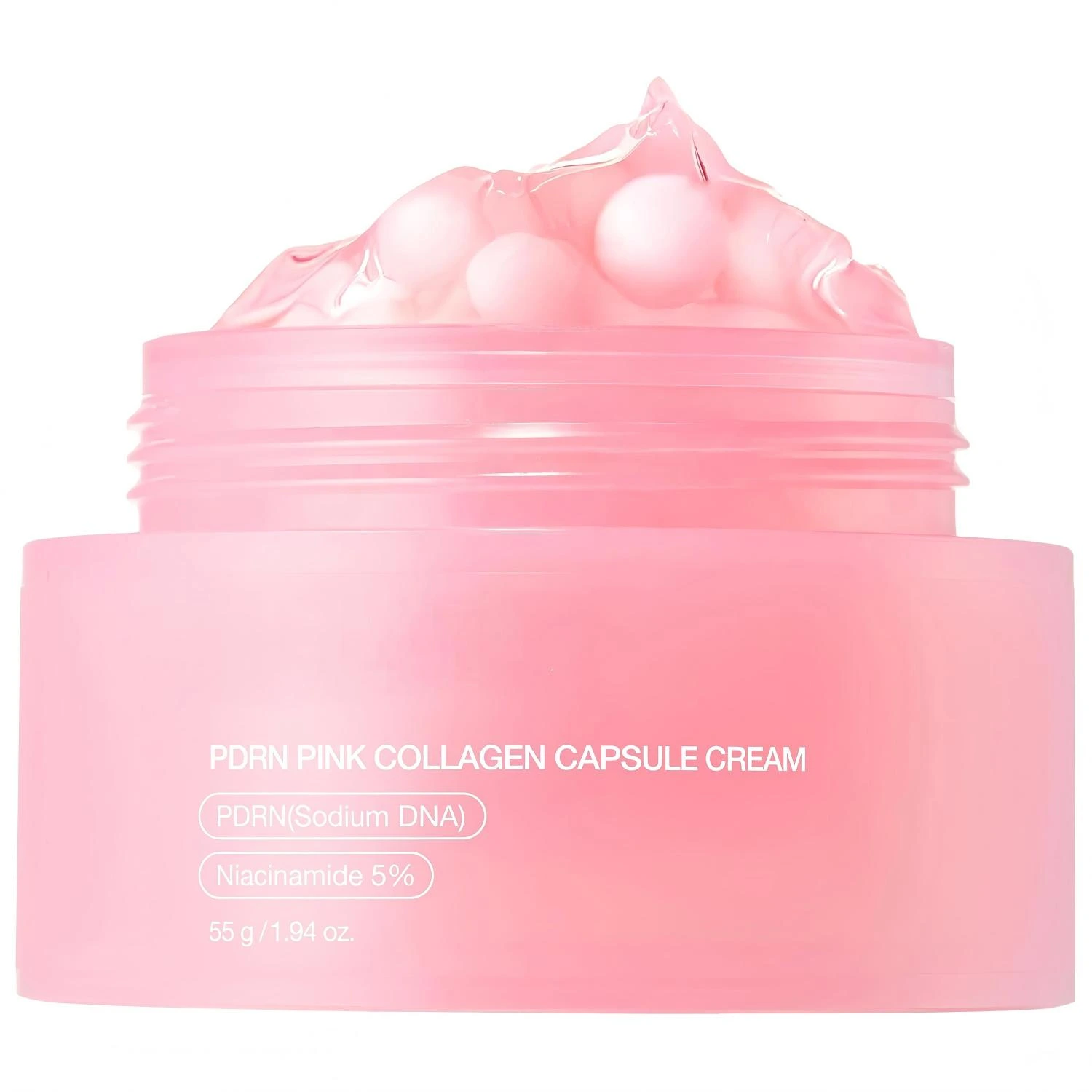
The global beauty industry, valued in the hundreds of billions, runs on a simple truth: behind almost every successful skincare serum, viral lipstick, or cult-favorite shampoo is a expert manufacturer. For founders, entrepreneurs, and established brands alike, finding the right cosmetics manufacturer is the single most critical decision in the product development journey. It’s a partnership that determines your product’s quality, your speed to market, and ultimately, your brand’s reputation.
This comprehensive guide serves as your roadmap to navigating the world of cosmetic production. We will explore the different types of manufacturers, the key factors to consider when choosing a partner, and the step-by-step process of bringing a product to life. Whether you are launching a indie brand or scaling an existing line, understanding how to select and work with a top-tier cosmetics manufacturer is your foundation for success.

Decoding the Cosmetics Manufacturing Landscape
Before you can choose a partner, you need to understand the ecosystem. The term “cosmetics manufacturer” encompasses a range of specialized service providers. Knowing the difference is crucial for finding the right fit.
1. Private Label Manufacturers vs. Custom Formulators
The most fundamental distinction lies in how the product is created.
-
Private Label Manufacturers: These companies have a catalog of pre-existing, stock formulas. As a brand, you select a base product—say, a hydrating serum or a matte lipstick—and the manufacturer produces it for you under your brand name. You may have options to customize the color, fragrance, or packaging, but the core formula is already developed. This is the fastest and most cost-effective route to market, ideal for testing new concepts or building a basic line.
-
Custom Formulators (OEMs): An Original Equipment Manufacturer (OEM) offers true end-to-end product development. They work with you from concept to creation. Their in-house chemists and labs take your brief—your unique idea, desired benefits, and target texture—and develop a bespoke formula from scratch. This path requires more time and investment but results in a proprietary product that is uniquely yours and cannot be copied by competitors. Many leading companies, such as , excel as full-service OEMs, blending innovation with manufacturing capability.
2. Specialization by Product Category
Just as a chef specializes in a type of cuisine, cosmetics manufacturers often focus on specific product categories. Partnering with a specialist ensures they have the right equipment, expertise, and ingredient knowledge.
-
Skincare Manufacturers: Experts in emulsions, gels, serums, and creams. They understand the complexities of active ingredients, preservative systems, and textures for different skin types.
-
Color Cosmetics Manufacturers: These facilities are set up for high-pigment mixing, precision filling of powders and liquids (lipsticks, foundations, eyeshadows), and achieving specific finishes like matte, shimmer, or glossy.
-
Hair Care Manufacturers: Specialists in surfactants for shampoos, conditioning agents, and styling product polymers.
-
Clean & Natural Beauty Manufacturers: A growing niche of manufacturers focused on sourcing certified organic ingredients, using eco-friendly preservatives, and avoiding certain synthetic chemicals.
Key Criteria for Selecting Your Manufacturing Partner
Choosing a cosmetics manufacturer is a strategic decision. It’s not just about finding a supplier; it’s about finding a long-term partner for your brand’s growth. Here are the non-negotiable factors to evaluate.
1. Certifications, Compliance, and Auditing
Trust, but verify. A reputable manufacturer operates with transparency and adheres to international standards.
-
Essential Certifications: Look for certifications like ISO 22716 (Good Manufacturing Practices for cosmetics), which demonstrates a commitment to quality, safety, and consistency. Depending on your target market, you may also need certifications like GMPC, FDA registration, or EU compliance.
-
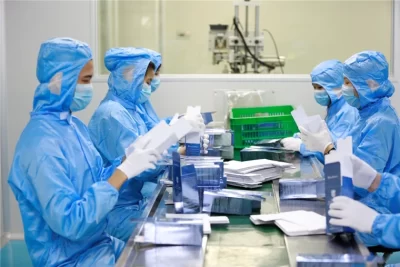
Facility Audits: If possible, conduct a physical audit of the facility, or hire a third-party inspection company to do so. This allows you to assess cleanliness, equipment maintenance, worker conditions, and overall operational standards firsthand. A virtual tour via video call is a good alternative for initial vetting.
-
Supplier Transparency: A good manufacturer will be open about their raw material sourcing. They should be able to provide documentation for their ingredients and be willing to discuss their supply chain.
2. R&D Capabilities and Innovation Pipeline
In a fast-moving industry, your manufacturer’s ability to innovate is your competitive advantage.
-
In-House Laboratory: Does the manufacturer have a dedicated, well-equipped R&D lab with experienced chemists? This is the brain of the operation. Inquire about their expertise with cutting-edge ingredients (like peptides, stable vitamin C, fermented botanicals) and novel textures (like jelly creams, water-based balms).
-
Trend Awareness: A forward-thinking manufacturer will not just wait for your brief; they will proactively develop new formulas based on emerging market trends (e.g., adaptogens, blue beauty, microbiome-friendly products). Ask to see their portfolio of recent innovations or “concept products.”
-
Minimum Order Quantities (MOQs): MOQs can be a major hurdle for startups. Discuss MOQs for both custom formulation and stock packaging early on. Some manufacturers are flexible and offer low MOQs for initial runs to help new brands get started.
The End-to-End Journey of Product Development
Once you’ve selected your partner, the real work begins. Understanding the workflow helps set expectations and ensures a smooth collaboration.
1. From Brief to Bench: The Formulation Process
The journey from your idea to a lab sample is a structured, scientific process.
-
The Creative Brief: You provide a detailed brief outlining your product concept: target audience, key benefits, desired texture, fragrance profile, and packaging type. The more specific you are, the better the chemists can translate your vision.
-
Concept Development & Quotation: The manufacturer’s team will assess your brief, propose a development path (e.g., modifying an existing formula or creating a custom one), and provide a quotation covering R&D costs, sampling fees, and production pricing.
-
The First Samples: The lab gets to work. Within a few weeks, you will receive initial samples for evaluation. This is where you test texture, efficacy, and fragrance, providing feedback for refinement. This iterative sampling process continues until the formula is perfect.
2. Packaging, Filling, and Final Quality Control
A beautiful formula needs a home, and it must be produced flawlessly at scale.
-
Packaging Sourcing: Your manufacturer can often help source packaging from their trusted network of suppliers. You’ll need to consider material (glass, plastic, PCR), functionality (airless pump, dropper), and lead times, especially for custom molds.
-
Filling and Assembly: This stage involves bringing the formula and packaging together. The manufacturer will conduct stability tests to ensure the formula and packaging are compatible (e.g., no leaching or reactions). They will then schedule your production run, during which their quality control team monitors every step—from raw material checks to in-process filling inspections to final product testing.
-
Documentation for Launch: As production concludes, your manufacturer will provide essential documentation: the Certificate of Analysis (COA) for the specific batch, the Manufacturing Certificate of Free Sale, and the final International Nomenclature of Cosmetic Ingredients (INCI) list. These are crucial for regulatory compliance and market entry.
Quality, Compliance, and Supply Chain Integrity
These are the pillars that protect your brand and your customers. They cannot be an afterthought.
1. Mandatory Safety and Stability Testing
Before any product can be sold, it must be proven safe and stable.
-
Stability Testing: This involves subjecting the product to various temperature and light conditions over weeks or months to ensure it remains physically and chemically stable—no separation, color change, or spoilage.
-
Microbiological Testing: Tests are conducted to ensure the product is free from harmful bacteria, yeast, and mold, and that its preservative system is effective.
-
Safety Assessments: A qualified safety assessor must review the formula and all ingredient data to issue a Cosmetic Product Safety Report (CPSR) or equivalent, which is mandatory for placing products on the market in regulated regions like the EU, UK, and increasingly elsewhere.
2. Navigating Global Logistics and Supply Chains
The physical journey from the factory to your customer is the final critical mile.
-
Incoterms: Clearly understand your shipping terms (Incoterms) like FOB (Free on Board) or EXW (Ex Works) to know who is responsible for freight, insurance, and customs at each stage.
-
Freight Strategy: Balance speed and cost. Air freight is ideal for smaller, time-sensitive launches. Sea freight is the most economical for large-volume orders. Work with a freight forwarder experienced in shipping cosmetics, as they understand the specific labeling and documentation requirements for customs clearance in your country.
-
Building a Resilient Partnership: The best relationships with a cosmetics manufacturer are built on communication and trust. Regular check-ins, transparent discussions about timelines and challenges, and a shared commitment to quality create a partnership that can weather market changes and grow together over time.
Conclusion: Your Partner in Beauty
The search for the right cosmetics manufacturer is a journey of discovery. It’s about finding a team that not only has the technical capability to produce your product but also shares your passion for quality and innovation. By understanding the landscape, asking the right questions, and valuing a partnership built on transparency and expertise, you set your brand up for lasting success.