
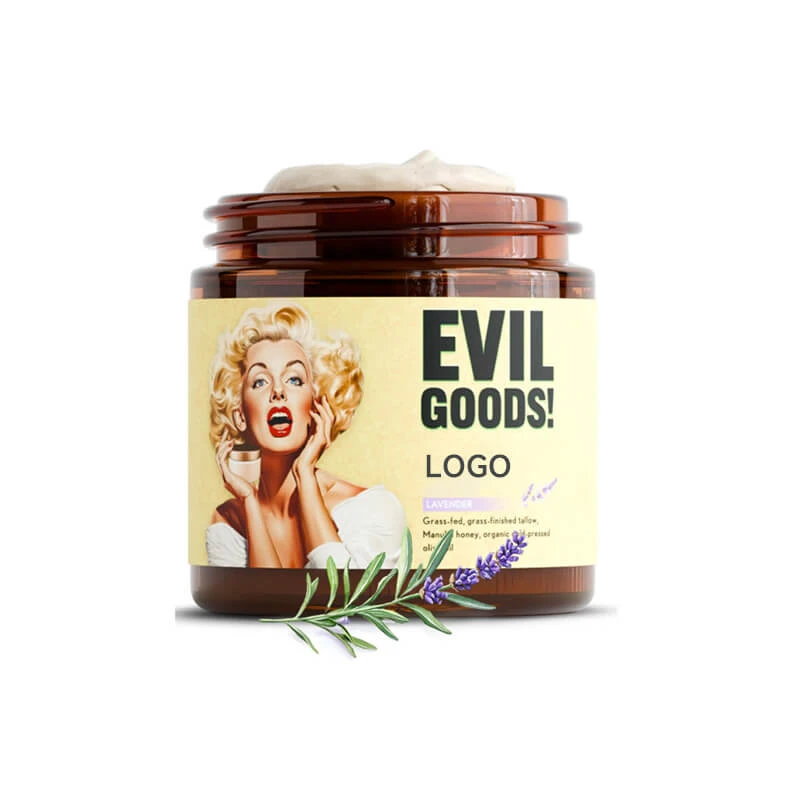
Standing in the skincare aisle or scrolling through endless online options, have you ever felt overwhelmed by choice? You’re not alone. Effectively comparing skincare products is the single most important skill you can develop for achieving healthy, radiant skin. This comprehensive 2000-word guide will transform you from a confused consumer into an informed skincare expert, capable of cutting through marketing hype and selecting products that truly deliver results.
Why Intelligent Product Comparison Matters More Than Ever
The global skincare market exceeds $140 billion, with thousands of new products launching annually. This explosion of options has created what psychologists call “choice overload”—a state of decision paralysis that often leads to poor purchases, wasted money, and skin that’s worse off than when you started.
I’ve spent years analyzing ingredient lists, interviewing dermatologists, and testing products across price points. What I’ve discovered is that most consumers compare products based on entirely wrong criteria—packaging, fragrance, or vague promises rather than what genuinely impacts skin health. This guide will change that.
The Hidden Costs of Poor Skincare Comparisons
When you choose skincare products without proper comparison, you risk more than just disappointment. You might experience:
-
Skin Barrier Damage: Using incompatible actives can compromise your skin’s protective layer
-
Financial Waste: The average consumer spends $722 annually on skincare products that don’t work for them
-
Delayed Results: Months of using ineffective products means months without progress on concerns like acne, hyperpigmentation, or aging
-
Increased Sensitivity: Product mismatches can lead to chronic irritation and reactive skin
How This Guide Will Transform Your Approach
By the end of this article, you’ll have a concrete, step-by-step framework for comparing any skincare products—from drugstore finds to luxury brands. You’ll learn to evaluate products based on efficacy, compatibility, and value rather than marketing claims. Most importantly, you’ll gain confidence in building a routine that actually works for your unique skin.
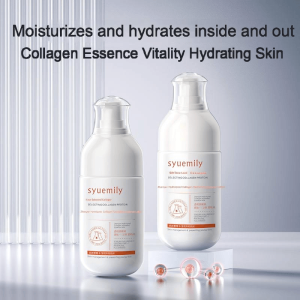
The 5 Pillars of Effective Skincare Product Comparison
Ingredient Intelligence: Reading Beyond the Marketing
Understanding the Ingredient Hierarchy
Skincare ingredients aren’t created equal. When comparing products, you need to recognize which ingredients drive results and which are merely supportive. The most effective approach is to categorize ingredients by function:
-
Active Ingredients: These are the workhorses—components scientifically proven to address specific concerns. Examples include retinol for aging, salicylic acid for acne, and vitamin C for brightening.
-
Supporting Ingredients: These enhance stability, delivery, or complementary benefits. Think niacinamide alongside vitamin C or ceramides with retinol.
-
Base Formulation: The vehicle that delivers actives—creams, gels, serums, or lotions—which dramatically impacts efficacy.
-
Filler Ingredients: Often placed for texture, scent, or preservation with minimal skin benefits.
Concentration and pH: The Devil’s in the Details
Two products might contain the “same” ingredient but deliver completely different results based on concentration and formulation pH. For instance:
-
Vitamin C is most effective at concentrations between 10-20% with a pH under 3.5
-
Retinol shows clinical benefits starting at 0.01% but is typically formulated between 0.1-1%
-
Salicylic acid requires a pH of 3-4 to exfoliate effectively
When comparing, look for brands that disclose this information transparently. Third-party certifications and clinical studies often provide more reliable data than product claims alone.
Formulation Synergy: How Components Work Together
The Art of Layering Compatibility
Your skincare routine is an ecosystem, not just individual products. When comparing options, consider how they’ll interact with your existing routine. Some critical compatibility notes:
-
Vitamin C and Vitamin E: Together, they create synergistic antioxidant protection
-
Niacinamide and Most Actives: This versatile ingredient pairs well with virtually everything
-
Cautionary Combinations: Avoid mixing direct acids with retinol in the same application, and be cautious with multiple exfoliants
Delivery Systems Matter More Than You Think
Advanced formulations now use liposomal encapsulation, polymer technology, and targeted delivery systems to increase ingredient stability and penetration. When comparing similar-priced products, research which brand invests in superior delivery technology—this often separates mediocre products from exceptional ones.
Skin Type & Concern Matching: The Personalization Imperative
Identifying Your True Skin Profile
Beyond Basic Skin Types
Most people categorize their skin as simply oily, dry, combination, or sensitive. But effective product comparison requires more nuanced understanding. Ask these diagnostic questions:
-
What’s your Fitzpatrick skin type? This phototype scale (I-VI) affects how your skin responds to ingredients and treatments
-
Is your skin dehydrated or truly dry? These require different solutions—hydration versus lubrication
-
What’s your skin’s underlying condition? Conditions like rosacea, eczema, or subclinical inflammation dramatically affect product tolerance
The Diagnostic Routine
Before comparing products, spend two weeks observing your skin with this simple routine:
-
Cleanse with a gentle, pH-balanced cleanser
-
Apply no products for one hour
-
Document how your skin looks and feels
-
Note areas of shine, tightness, redness, or texture
This baseline understanding will make your product comparisons infinitely more relevant.
Matching Products to Evolving Needs
Seasonal Adjustments
Your skin isn’t static, and neither should your products be. When comparing options, consider:
-
Summer vs. Winter formulations: Heavier moisturizers for winter, lighter textures for summer
-
Geographic considerations: Humidity, altitude, and pollution levels all impact product performance
-
Lifestyle factors: Increased retinol sensitivity if you’re starting outdoor activities
Life Stage Considerations
A 25-year-old’s collagen stimulation needs differ from a 55-year-old’s. When comparing anti-aging products, consider:
-
Preventative (20s-30s): Focus on antioxidants, sunscreen, and early retinoids
-
Corrective (30s-50s): Include growth factors, peptides, and stronger retinoids
-
Maintenance (50s+): Prioritize barrier repair, hydration, and targeted treatments
Decoding Marketing vs. Reality
Cutting Through the Hype
The Language of Skincare Marketing
Skincare brands employ specific linguistic strategies to imply efficacy. Learn to decode common terms:
-
“Clinical” or “Dermatologist-tested”: Often means little—any brand can pay one dermatologist to try their product
-
“Hypoallergenic”: No regulatory definition exists for this term
-
“Natural” or “Clean”: Marketing terms without standardized definitions that don’t guarantee safety or efficacy
-
“Patented technology”: May be meaningful, but request to see the actual patent and research
What Truly Indicates Quality
Instead of marketing claims, prioritize these indicators when comparing products:
-
Percentage disclosure of active ingredients
-
pH level disclosure
-
Transparent clinical trials (not just consumer testing)
-
Air-tight, opaque packaging for unstable ingredients like vitamin C or retinol
-
Manufacturing dates rather than just expiration dates
The Price-Quality Correlation Myth
When Expensive Is Just Expensive
Through comparative analysis, I’ve identified three product categories where price often doesn’t correlate with quality:
-
Cleansers: Effective cleansing requires simple ingredients that don’t need to remain on skin
-
Basic moisturizers: Humectants and emollients are relatively inexpensive ingredients
-
Sunscreens: While texture varies, protection level doesn’t always increase with price
Where Investment Matters
Conversely, these categories often justify higher price points:
-
Vitamin C serums: Stability and formulation significantly affect efficacy
-
Retinoids: Delivery systems and purity impact results and irritation
-
Growth factors and peptides: Research, development, and concentration affect pricing
Practical Comparison Framework: A Step-by-Step System
The Comparison Worksheet Method
Creating Your Product Comparison Matrix
I recommend developing a standardized worksheet when evaluating products. Here’s what to include:
| Comparison Factor | Product A | Product B | Product C |
|---|---|---|---|
| Primary Actives | |||
| Concentration | |||
| pH Level | |||
| Full Ingredient List | |||
| Texture/Feel | |||
| Packaging | |||
| Price per ounce | |||
| Clinical Evidence |
Implementing the 14-Day Test Protocol
When you’ve narrowed options using your matrix, implement this testing protocol:
-
Patch test behind ear for 48 hours
-
Introduce one product at a time, waiting 2 weeks between additions
-
Document changes with daily photos and notes
-
Evaluate objectively after the full period, not based on initial impressions
Real-World Application: Comparing Vitamin C Serums
Case Study: Three Popular Vitamin C Options
Let’s apply our framework to a practical example—comparing vitamin C serums:
Product A: High-End L-Ascorbic Acid Serum ($165/1oz)
-
Actives: 15% L-ascorbic acid, 1% vitamin E, 0.5% ferulic acid
-
pH: Disclosed as 3.2 (optimal range)
-
Packaging: Airless pump, opaque bottle
-
Evidence: Two published clinical studies showing 22% reduction in wrinkles
-
Value calculation: $165 per ounce, but proven stability and efficacy
Product B: Mid-Range Vitamin C Derivative ($65/1oz)
-
Actives: 10% tetrahexyldecyl ascorbate (vitamin C derivative)
-
pH: Not disclosed
-
Packaging: Dropper bottle, translucent container
-
Evidence: Consumer testing only
-
Value calculation: $65 per ounce, but questionable stability
Product C: Affordable L-Ascorbic Acid ($25/1oz)
-
Actives: 20% L-ascorbic acid
-
pH: Disclosed as 3.5
-
Packaging: Transparent bottle with dropper
-
Evidence: No clinical studies
-
Value calculation: $25 per ounce, but likely oxidizes quickly
Analysis: Product A offers the best value despite highest price due to proven stability and efficacy. Product C appears cost-effective but will likely oxidize before delivering benefits.
Building Your Personalized Skincare Arsenal
Creating a Balanced Routine Through Strategic Comparison
The Core Four Categories
Every effective routine addresses these four functions. When comparing products within categories, use these specific criteria:
-
Cleansers: Compare based on pH (ideal: 4.5-5.5), surfactant type, and residue
-
Treatment Serums: Compare based on active concentration, supporting ingredients, and penetration enhancement
-
Moisturizers: Compare based on occlusive versus humectant balance and barrier repair ingredients
-
Sunscreens: Compare based on filter type, photostability, and UVB/UVA protection balance
The Replacement Strategy
Skincare needs evolve. Implement this comparison cycle:
-
Every 3 months: Re-evaluate your treatment products for efficacy
-
Every 6 months: Compare new options in categories where you’re unsatisfied
-
Annually: Do a full routine audit against current skin needs and new research
Avoiding Common Comparison Pitfalls
The Sample Size Fallacy
Many consumers compare products using samples, but this introduces error because:
-
Samples may be from different production batches
-
Packaging differs from full-size products (affecting stability)
-
Two weeks isn’t enough for most ingredients to show results
Review Relativity Error
Online reviews provide limited value because:
-
Skin is highly individual
-
Many reviewers haven’t properly compared options
-
Placebo effects strongly influence perceived results
Instead of relying on reviews, look for before/after photos with consistent lighting and angles, and prioritize reviews that mention comparative use.
Advanced Comparison Techniques
Incorporating Technological Tools
Skin Analysis Technology
Modern tools can enhance your comparison accuracy:
-
UV photography: Reveals sun damage not visible to naked eye
-
Moisture meters: Objectively compare hydration claims
-
pH strips: Test product pH yourself (dilute water-based products 1:1 with distilled water first)
Digital Ingredient Analyzers
Websites like INCIdecoder and SkinCarisma provide objective analysis, but remember:
-
They often miss formulation nuances like ingredient quality or concentration
-
They can’t assess sensory factors or user experience
-
Use them as starting points, not final authorities
The Long-Game Comparison Mindset
Tracking Progress Objectively
Create a skincare journal with:
-
Weekly photos in consistent lighting
-
Notes on product changes
-
Skin measurements (pores, redness, texture) using apps or tools
-
Documentation of environmental factors (stress, sleep, diet)
When to Consult Professionals
While this guide empowers independent comparison, consult a dermatologist when:
-
Comparing prescription versus over-the-counter options
-
Addressing persistent concerns despite product trials
-
Managing conditions like acne, rosacea, or hyperpigmentation
Your Action Plan for Smarter Skincare Decisions
You now possess a comprehensive framework for comparing skincare products that transcends marketing hype and focuses on what truly matters—ingredient efficacy, formulation intelligence, and personal compatibility.
This week, implement these three steps:
-
Audit your current routine using the ingredient hierarchy principles
-
Select one product category to research using the comparison matrix
-
Schedule a seasonal skincare review in your calendar for 3 months from now
Remember: The most expensive product isn’t necessarily the best, and the trendiest ingredient might not be right for you. True skincare wisdom comes from understanding your skin’s unique language and responding with precisely matched solutions.
Share your skincare comparison experiences or questions below—I personally respond to comments and would love to hear how this framework transforms your approach to product selection. For ongoing skincare insights, subscribe to my newsletter where I break down new research and product launches using these comparison principles.
About the author: With over a decade in dermatology research and product development, I’ve helped thousands transform their skincare approach through evidence-based education. My work focuses on demystifying skincare science and empowering consumers to make informed decisions.