
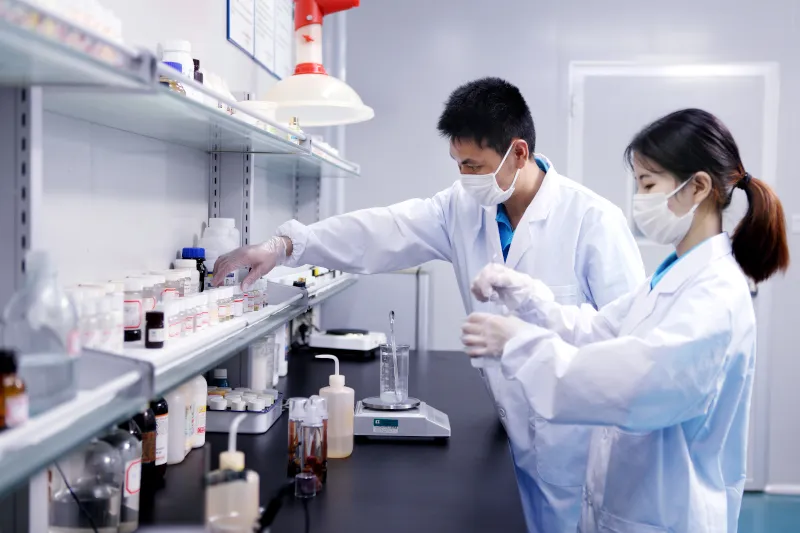
In the global beauty landscape of 2026, the term “Chinese cosmetics manufacturer“ has evolved far beyond the concept of low-cost “foundries.” Today, it represents a powerhouse of innovation, synthetic biology, and hyper-efficient digital supply chains. For global brand owners, indie founders, and retail giants, understanding the current capabilities of Chinese manufacturing is no longer optional—it is a strategic necessity.
This guide provides an in-depth analysis of the 2026 manufacturing ecosystem in China, designed to help you navigate sourcing, regulation, and technological integration.
1. The Evolution of Chinese Cosmetics Manufacturing: From OEM to Strategic Innovation
Understanding the Shift from “Made in China” to “Innovated in China”
The journey of the Chinese cosmetics manufacturer has transitioned through three distinct stages: simple assembly, design-led manufacturing, and now, science-driven brand empowerment.
1.1 From OEM to Advanced ODM and OBM Models
Traditionally, brands sought a Chinese cosmetics manufacturer for OEM (Original Equipment Manufacturer) services—simply producing a formula provided by the brand. In 2026, the industry has shifted toward Advanced ODM (Original Design Manufacturer) and OBM (Original Brand Manufacturer).
-
Proactive R&D: Leading manufacturers like Nox Bellcow, Cosmax China, and Bawei now pitch finished, clinically-tested concepts to brands.
-
End-to-End Solutions: Modern factories provide market trend analysis, ingredient discovery, packaging design, and global compliance support under one roof.
1.2 The “C-Beauty” Effect on Global Standards
The global success of “C-Beauty” brands (e.g., Florasis, Perfect Diary) has forced manufacturers to raise their quality bars. To support these brands’ intricate designs and high-performance claims, manufacturers have invested billions in clean-room facilities and high-precision automation that rivals European standards.
2. Unparalleled Advantages: Why Source from China in 2026?
Efficiency, Scalability, and the Power of Industrial Clusters
As of 2026, China remains the world’s most resilient beauty supply chain, offering advantages that are difficult to replicate in other regions.
2.1 Agility and Rapid Speed-to-Market (STM)
In the era of viral TikTok trends, the ability to launch a product in weeks rather than months is vital.
-
Integrated Ecosystems: In hubs like Guangzhou’s Baiyun District or Shanghai’s “Oriental Beauty Valley,” raw material suppliers, packagers, and testing labs are often within a 30-minute drive of the factory.
-
Flexible MOQ (Minimum Order Quantity): Many top-tier manufacturers have adopted “Agile Lines,” allowing for MOQs as low as 500–1,000 units for startups, facilitating rapid market testing without heavy capital risk.
2.2 Cost-Efficiency Through AI-Driven Automation
While labor costs in China have risen, the unit cost of production has remained competitive due to massive investments in Industry 4.0.
-
AI Quality Control: Computer vision systems now inspect thousands of lipsticks or palettes per minute, identifying microscopic defects that the human eye would miss.
-
Scale Economies: China’s massive domestic market allows manufacturers to purchase raw materials at a volume that ensures the lowest possible COGS (Cost of Goods Sold) for international partners.
3. Cutting-Edge Technological Innovations in 2026
Synthetic Biology and Neuro-Cosmetics: The New Frontiers
To rank as a top Chinese cosmetics manufacturer in 2026, a company must be a tech company first. The focus has moved from simple mixing to molecular engineering.
3.1 Synthetic Biology and Recombinant Collagen
China is currently a world leader in the commercialization of Synthetic Biology for skincare.
-
Recombinant Humanized Collagen: Chinese manufacturers have pioneered the mass production of stable, high-affinity collagen that is 100% vegan and more effective than traditional animal-derived versions.
-
Bio-Fermentation: Using customized yeast and bacteria strains, factories are creating “living” ingredients like postbiotics and specialized ectoine tailored for sensitive skin.
3.2 AI-Powered Formulation and “Digital Twins”
Digitalization has transformed the laboratory.
-
Predictive Formulation: Using AI algorithms trained on decades of stability data, manufacturers can predict the shelf-life and sensory profile of a new cream before it is even mixed in a beaker.
-
Personalization at Scale: Some manufacturers now offer “Individualized Batching,” where AI-driven machines can adjust the active ingredient concentration for every single bottle in a 5,000-unit run based on regional climate data provided by the brand.
4. Navigating the Regulatory Landscape: NMPA and Global Compliance
Ensuring Safety and Market Access in a Highly Regulated World
Regulatory compliance is the “make or break” factor when choosing a Chinese cosmetics manufacturer.
4.1 Understanding 2026 NMPA Efficacy Claim Regulations
The National Medical Products Administration (NMPA) has implemented some of the world’s strictest rules regarding what a product can claim.
-
Evidence-Based Claims: If a product claims to “repair the skin barrier,” the manufacturer must provide human clinical trial data or recognized laboratory evidence.
-
Ingredient Safety Reporting: Every ingredient used must have a unique safety code, ensuring full traceability from the soil to the skin.
4.2 Global Standards: ISO 22716, GMPC, and Cruelty-Free Progress
For brands exporting to the US or EU, compliance with international standards is mandatory.
-
Certification: Reputable Chinese factories hold ISO 22716 and GMPC certifications, which are recognized by the FDA and the European Commission.
-
The Cruelty-Free Milestone: By 2026, China has largely phased out mandatory animal testing for “General Cosmetics” (shampoo, lipstick, etc.), even for imported brands, provided the manufacturer follows strict safety assessment protocols.
5. Sustainability: The New Standard for Chinese Manufacturing
Green Chemistry and the Circular Economy
Sustainability is no longer a “nice-to-have”; in 2026, it is a core KPI for any competitive Chinese cosmetics manufacturer.
5.1 Clean Beauty and Bio-Degradable Formulations
-
Zero-Waste Ingredients: Factories are increasingly using upcycled materials (e.g., polyphenols extracted from fruit juice industry waste).
-
Microplastic-Free: Leading manufacturers have moved entirely away from synthetic microplastics, opting for cellulose or silica-based alternatives in exfoliants and glitter.
5.2 Sustainable Packaging Innovation
-
Mono-Material Design: China’s packaging specialists are leading the way in 100% recyclable mono-material pumps and tubes, eliminating the need for disassembly during recycling.
-
Refillable Systems: High-end manufacturers now offer “Refill-and-Reuse” modules, which can reduce plastic consumption by up to 80% over the product’s lifecycle.
6. Strategic Sourcing: How to Choose the Right Partner
Geography, Due Diligence, and Communication
Choosing the wrong partner can lead to quality drift or legal issues. Here is how to strategically select a Chinese cosmetics manufacturer.
6.1 Geographical Clusters: Shanghai vs. Guangzhou
-
Guangzhou (Pearl River Delta): The “Global Beauty Factory.” Ideal for color cosmetics, fast-fashion beauty, and brands requiring maximum cost-efficiency.
-
Shanghai/Suzhou (Yangtze River Delta): Known for “High-Tech Beauty.” Home to global R&D centers and premium skincare manufacturers specializing in high-efficacy anti-aging and medical-grade cosmetics.
6.2 The Due Diligence Checklist for 2026
-
R&D Infrastructure: Does the factory have its own lab, or do they outsource formulation?
-
Digital Transparency: Can they provide real-time production tracking via a client portal?
-
Third-Party Audits: Request recent reports from agencies like SGS, Intertek, or ITS.
-
Cultural Alignment: Do they understand your target market’s aesthetic and ethical requirements (e.g., Halal certification for SE Asia or Vegan for Europe)?
7. Future Outlook: The Next Decade of Beauty Manufacturing
From Smart Factories to Neuro-Scent Technology
The evolution won’t stop in 2026. The next frontier for the Chinese cosmetics manufacturer involves Neuro-cosmetics—products designed to interact with the nervous system to reduce stress or improve sleep through scent and texture. As smart factories become fully autonomous, we will see a shift toward “Dark Factories” (fully automated plants that require no lights or human intervention), further driving down costs and eliminating human error.
Conclusion: Securing Your Competitive Edge
Partnering with a Chinese cosmetics manufacturer in 2026 offers an unparalleled opportunity to combine high-tech innovation with a hyper-agile supply chain. By focusing on technical capability, regulatory compliance, and sustainability, your brand can leverage China’s manufacturing power to dominate the global market.
📊 Quick Comparison: Why China Leads the Beauty Supply Chain
| Feature | Leading Chinese Manufacturers (2026) | Global Average |
| Average Lead Time | 3-6 Weeks | 12-18 Weeks |
| Tech Focus | Synthetic Bio, AI, Robotics | Traditional Chemistry |
| Sustainability | Carbon-Neutral Commitments | Regulatory Compliance Only |
| Supply Chain | Fully Integrated Clusters | Fragmented / Globalized |
Would you like me to generate a specific list of the top 10 Chinese cosmetics manufacturers categorized by product type (e.g., Skincare vs. Makeup)?
Or perhaps you need a professional RFQ (Request for Quotation) template tailored for the Chinese market?