
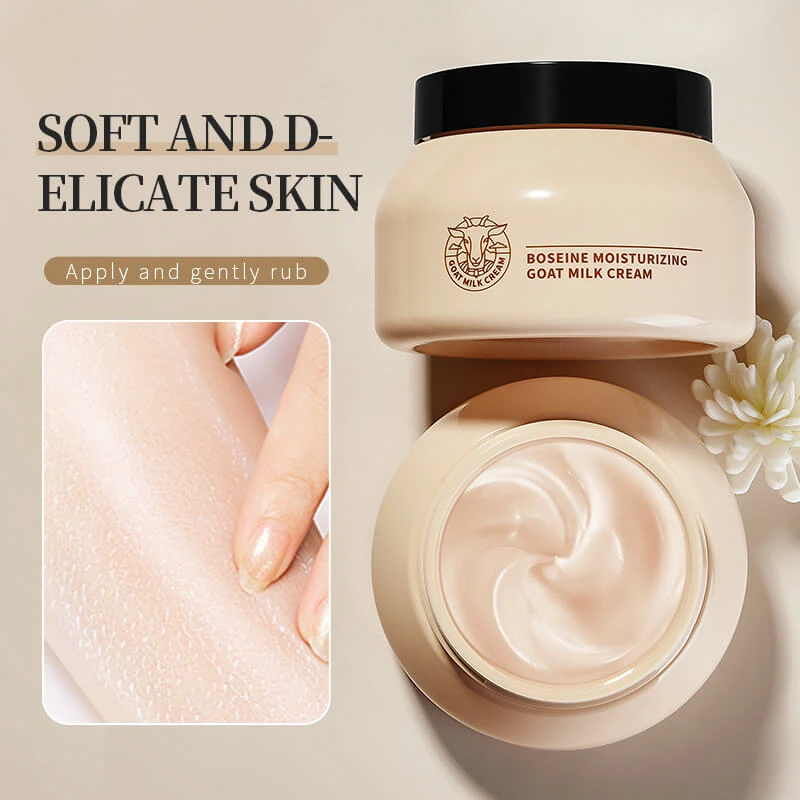
Choosing the right cosmetics manufacturer in China is a make-or-break decision for private label brands. China’s cosmetics manufacturing industry is the largest in the world, with over 5,000 factories producing everything from skincare to makeup, haircare, and personal care products. However, not all manufacturers are created equal—some specialize in high-end organic formulations, while others focus on mass-market products. In this comprehensive guide, we’ll break down the top cosmetics manufacturers in China for private label brands, including their strengths, specialties, and how to choose the right partner for your brand. Whether you’re a startup or an established brand looking to expand, this guide will help you navigate the complex landscape of Chinese cosmetics manufacturing.
Why Choose China for Private Label Cosmetics?
1.1 Cost-Effectiveness and Scalability
China offers competitive pricing for private label cosmetics, with production costs 30-50% lower than in the US or Europe. This is due to lower labor costs, access to raw materials, and economies of scale. For example, a 50ml serum that costs $5 to produce in the US can be made for $1.50 in China. Additionally, Chinese manufacturers can handle large production volumes (10,000+ units) without compromising quality, making it ideal for brands looking to scale quickly.
1.2 Advanced Technology and Innovation
Chinese cosmetics manufacturers have invested heavily in R&D and advanced technology, including AI-powered formulation tools, 3D printing for packaging, and biotech ingredients. Many factories are GMP-certified and comply with international standards like ISO 22716 and FDA regulations. For example, Guangzhou-based manufacturers use microencapsulation technology to enhance ingredient stability and skin penetration, while Shanghai factories specialize in clean beauty formulations with natural ingredients.
1.3 Supply Chain Efficiency
China has a well-developed supply chain for cosmetics, with easy access to raw materials (e.g., hyaluronic acid from Shandong, collagen from Fujian) and packaging suppliers. This reduces lead times and ensures consistent quality. Most manufacturers offer one-stop services, including formulation, packaging, testing, and shipping, which simplifies the private label process for brands.
Top Cosmetics Manufacturers in China for Private Label
2.1 Guangzhou-based Manufacturers
Guangzhou is the heart of China’s cosmetics industry, with over 2,000 factories. Top manufacturers include:
Guangzhou XJ Beauty Co., Ltd.: Specializes in skincare and makeup, with GMP certification and ISO 22716 compliance. They offer custom formulations, small MOQs (500 units), and eco-friendly packaging.
Guangzhou Meiyuan Cosmetics Co., Ltd.: Focuses on organic and natural skincare, with certifications from Ecocert and USDA. They use plant-based ingredients like green tea, aloe vera, and ginseng.
Guangzhou Huanya Cosmetics Co., Ltd.: Known for innovative formulations, including anti-aging serums and sheet masks. They have a team of 50+ chemists and offer OEM/ODM services.
2.2 Shanghai-based Manufacturers
Shanghai is a hub for high-end cosmetics manufacturing, with a focus on clean beauty and luxury products. Top manufacturers include:
Shanghai Jahwa United Co., Ltd.: A leading Chinese cosmetics company with over 100 years of history. They offer private label services for skincare, makeup, and haircare, with a focus on natural ingredients and sustainable packaging.
Shanghai Cosmax Cosmetics Co., Ltd.: A subsidiary of the Korean Cosmax Group, specializing in high-end skincare and makeup. They have state-of-the-art facilities and comply with EU and FDA regulations.
Shanghai Beauty Cosmetics Co., Ltd.: Known for their innovative formulations, including CBD-infused skincare and vegan makeup. They offer custom packaging and small MOQs (1,000 units).
2.3 Shenzhen-based Manufacturers
Shenzhen is a tech hub that combines cosmetics manufacturing with digital innovation. Top manufacturers include:
Shenzhen Lushang Cosmetics Co., Ltd.: Specializes in smart cosmetics, including LED face masks and app-controlled skincare devices. They offer private label services for tech-integrated beauty products.
Shenzhen Cosmetics Technology Co., Ltd.: Focuses on clean beauty and sustainable packaging, with certifications from B Corp and Leaping Bunny. They use recycled materials and offer carbon-neutral production.
How to Choose the Right Manufacturer for Your Private Label Brand
3.1 Define Your Brand’s Needs
Before choosing a manufacturer, define your brand’s niche (e.g., organic skincare, luxury makeup, mass-market haircare), target audience, and budget. For example, if you’re launching a vegan makeup line, look for manufacturers with vegan certifications and experience in plant-based formulations.
3.2 Evaluate Manufacturer Credentials
Check the manufacturer’s certifications (GMP, ISO 22716, FDA, EU Cosmetics Regulation) and track record. Ask for references from other private label brands and visit the factory if possible. For example, a manufacturer with GMP certification ensures that their facilities meet strict quality control standards.
3.3 Assess Production Capabilities
Evaluate the manufacturer’s production capacity, lead times, and ability to handle custom formulations. For example, if you need 10,000 units of a serum with a specific ingredient, ensure the manufacturer has the equipment and expertise to produce it. Ask for samples to test the quality of their products.
3.4 Negotiate Terms and Conditions
Negotiate MOQs, pricing, payment terms, and delivery times. Most manufacturers require a 50% deposit upfront and 50% upon delivery. For small brands, look for manufacturers with low MOQs (500-1,000 units) to minimize risk.
Private Label Process: Step-by-Step
4.1 Formulation Development
Work with the manufacturer’s R&D team to develop a custom formulation. Provide details about your product’s ingredients, texture, and功效 (efficacy). For example, if you want a anti-aging serum with retinol and hyaluronic acid, the manufacturer will create a sample for you to test.
4.2 Packaging Design
Design custom packaging that aligns with your brand’s identity. Most manufacturers offer packaging services, including bottle design, label printing, and box customization. For example, you can choose from glass, plastic, or aluminum bottles, and add your logo and brand colors.
4.3 Testing and Quality Control
Conduct in-house and third-party testing to ensure your product meets safety and efficacy standards. This includes microbial testing, stability testing, and skin irritation testing. For example, a third-party lab can test your product for heavy metals and allergens.
4.4 Production and Delivery
Once the formulation and packaging are approved, the manufacturer will start production. Most manufacturers take 2-4 weeks to produce 10,000 units. After production, the products are shipped to your destination via air or sea freight.
Case Studies: Successful Private Label Brands with Chinese Manufacturers
5.1 Budget-Friendly Brand: $10,000 Startup
A small skincare brand with a $10,000 budget partnered with Guangzhou XJ Beauty Co., Ltd. to launch a line of organic sheet masks. The manufacturer offered a MOQ of 500 units and helped with formulation and packaging. Within 6 months, the brand sold 20,000 units and expanded to include serums and moisturizers.
5.2 Mid-Range Brand: $50,000 to $200,000 Startup
A makeup brand with a $150,000 budget worked with Shanghai Cosmax Cosmetics Co., Ltd. to create a line of luxury lipsticks. The manufacturer used high-quality ingredients and custom packaging, and the brand launched in Sephora stores. Within a year, the brand generated $1 million in sales.
5.3 High-End Brand: $200,000+ Startup
A luxury skincare brand with a $500,000 budget partnered with Shenzhen Lushang Cosmetics Co., Ltd. to launch a line of smart skincare devices. The manufacturer integrated LED technology into the products, and the brand was featured in Vogue and Elle. Within 2 years, the brand became a leader in the smart beauty market.
Common Mistakes to Avoid
6.1 Choosing the Wrong Manufacturer
Choosing a manufacturer that doesn’t specialize in your niche can lead to quality issues and delays. For example, a manufacturer that focuses on mass-market products may not have the expertise to produce organic skincare.
6.2 Ignoring Regulatory Compliance
Failing to comply with local regulations can result in product recalls and fines. For example, if your product is sold in the EU, it must comply with the EU Cosmetics Regulation, which requires ingredient labeling and safety testing.
6.3 Not Testing Products Thoroughly
Skipping testing can lead to skin irritation and damage to your brand’s reputation. Always test your products in-house and with third-party labs to ensure safety and efficacy.
6.4 Overlooking Intellectual Property Rights
Protect your brand’s intellectual property by registering trademarks and patents. Work with a lawyer to ensure your formulations and packaging are not copied by other brands.
Marketing Your Private Label Cosmetics
7.1 Branding and Positioning
Position your brand as a premium or affordable option based on your target audience. For example, a luxury brand can focus on high-quality ingredients and exclusive packaging, while a budget brand can emphasize value and accessibility.
7.2 Digital Marketing Tactics
Use social media (Instagram, TikTok, Pinterest) to showcase your products and engage with customers. Collaborate with beauty influencers to promote your brand and drive sales. For SEO, optimize your website with keywords like “private label cosmetics China” and “organic skincare manufacturer.”
7.3 Retail and Distribution
Sell your products online (e-commerce platforms like Amazon, Shopify) and in retail stores (Sephora, Ulta). For international brands, work with distributors to expand into new markets.
Future Trends in Chinese Cosmetics Manufacturing
8.1 Clean Beauty and Sustainability
Chinese manufacturers are increasingly focusing on clean beauty and sustainability, with a growing demand for organic ingredients, eco-friendly packaging, and carbon-neutral production. For example, many factories are switching to recycled materials and using renewable energy.
8.2 Tech-Integrated Cosmetics
The integration of technology into cosmetics is a growing trend, with manufacturers developing smart skincare devices, app-controlled products, and AI-powered formulation tools. For example, some factories use AI to analyze customer data and create personalized skincare products.
8.3 Personalization and Customization
Consumers are demanding personalized cosmetics, and manufacturers are responding by offering custom formulations based on skin type, age, and lifestyle. For example, some manufacturers use 3D printing to create custom lipstick shades and skincare products.
Conclusion: Choosing the Right Partner for Your Private Label Brand
Choosing the right cosmetics manufacturer in China is critical to the success of your private label brand. By understanding your brand’s needs, evaluating manufacturer credentials, and following a structured process, you can find a partner that will help you create high-quality products and grow your business. Remember to prioritize quality, compliance, and communication to ensure a long-term and profitable partnership.
CTA 1: Need Help Finding a Cosmetics Manufacturer in China?
Our team of experts can help you find and vet top cosmetics manufacturers in China for your private label brand. We’ll work with you to understand your needs, connect you with the right partners, and ensure a smooth manufacturing process. WhatsApp us at +86 134 8026 8601 to get started!
CTA 2: Looking for a Private Label Manufacturer?
We offer private label manufacturing services for cosmetics, including skincare, makeup, and haircare. Our network of trusted manufacturers in Guangzhou, Shanghai, and Shenzhen can handle small to large orders. WhatsApp us at +86 134 8026 8601 to learn more!
CTA 3: Need Help with Formulation Development?
Our team of cosmetic chemists can help you develop custom formulations for your private label brand. From organic skincare to luxury makeup, we’ll create products that meet your brand’s needs. WhatsApp us at +86 134 8026 8601 to discuss your formulation needs!
CTA 4: Ready to Launch Your Private Label Brand?
We can help you plan and execute a successful product launch, from branding and packaging to marketing and distribution. Our team has experience launching private label brands and can help you reach your sales goals. WhatsApp us at +86 134 8026 8601 to get started!
CTA 5: Need Help with Regulatory Compliance?
Our regulatory experts can help you navigate the complex world of cosmetics regulations, from testing to labeling. We’ll ensure your products meet all local and international standards. WhatsApp us at +86 134 8026 8601 to learn more!